What this collection covers
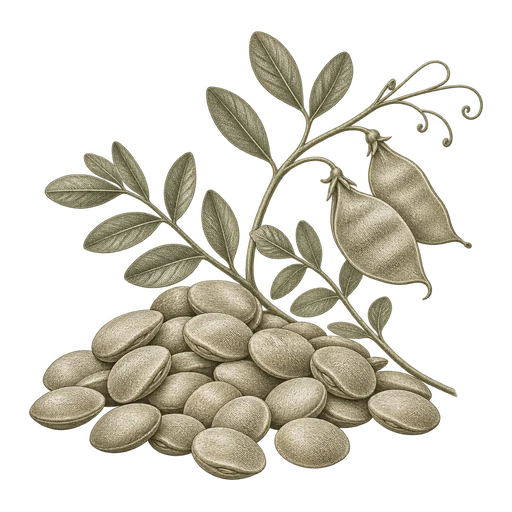
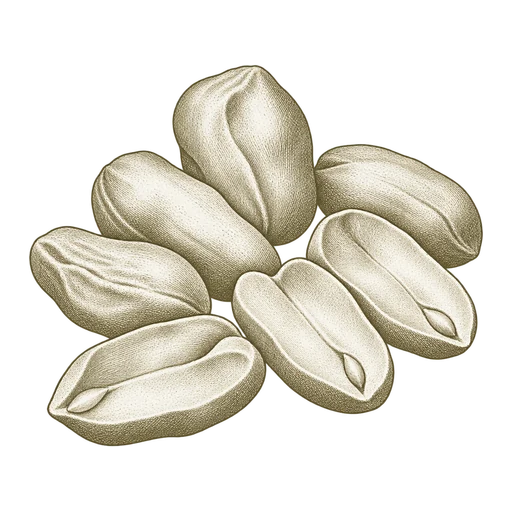
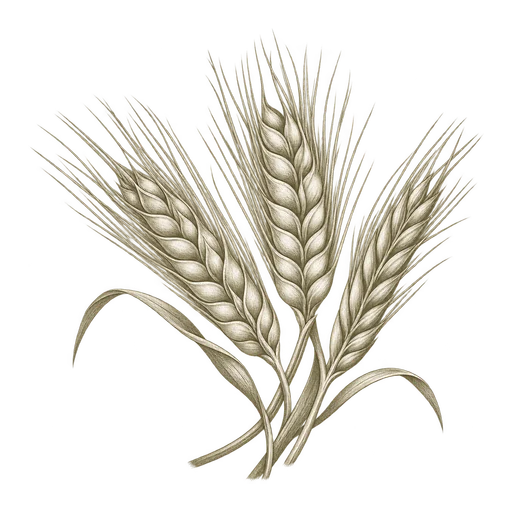
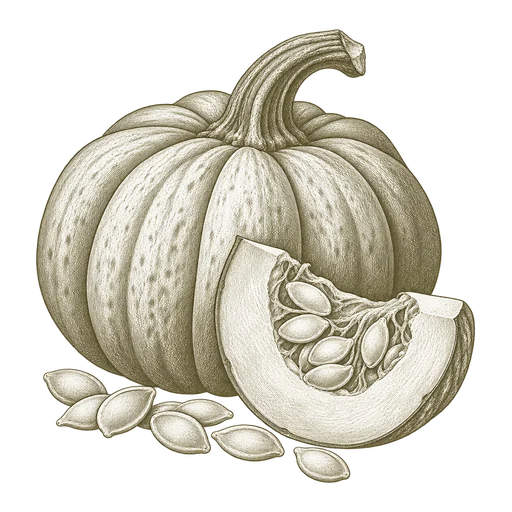
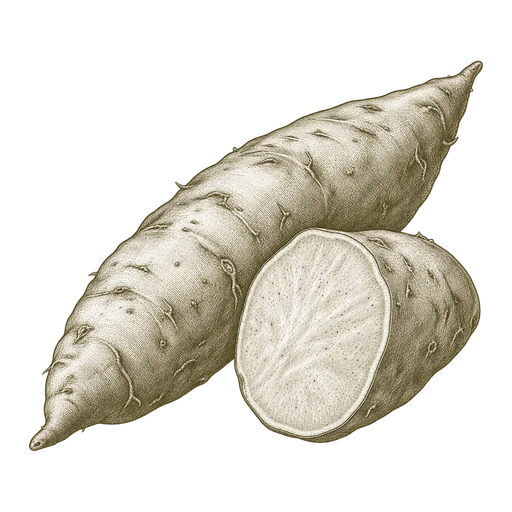
This topic brings together ingredients with very different physical forms and intended uses. Examples include peanut oil and ghee; peanuts, pecan pieces, and milled flaxseed; pearled barley and green lentil flour; pumpkin powder, sweet potato powder, and pea hull fiber; and venison meal. The names alone do not establish a product’s processing, grade, or suitability for a particular use. Clarify the identity and intended-use specification for each item, especially where a name such as Raw Pickouts needs a supplier definition.
Treat the collection as a starting point for comparing purchasing and handling questions, not as a guarantee of availability or interchangeability. Food, feed, and pet-food requirements are not automatically the same.
Match the specification to the material
Start by defining the form you need: liquid or solid fat, whole or cut material, grain, flour, meal, fiber, or powder. For milled and powdered ingredients, particle size and composition can affect bulk flow and handling; whole or cut nuts and seeds require different checks, including attention to foreign material and representative lot sampling. For oils and fats, specify the relevant product identity and quality measures rather than using a dry-ingredient specification.
Request lot-linked documentation and agree on acceptance criteria before shipment. Depending on the product and use, that can include moisture, particle-size distribution, foreign material, microbiological or chemical results, and nutritional or oil-quality analysis. Confirm test basis and sampling method, particularly for particulate lots where a small grab sample may not represent the full shipment.
Plan delivery, receiving, and storage
Bulk delivery may mean bags, supersacks, totes, bulk vehicle, or tank; the receiving format must fit the ingredient and your unloading equipment. Confirm net weight, packaging and liner, transfer connections, vehicle cleanliness, and previous-load or cleanout information. Where allergens are relevant, include labeling, segregation, and shared transport or equipment controls in the receiving plan.
Obtain storage conditions and shelf-life guidance for the specific product and packaging. Moisture, temperature, light, and pest controls vary by form, so grain-bin practices should not be applied automatically to oils, fats, powders, or nuts.
Common questions.
What should a bulk ingredient specification identify?+
It should define product identity, processing and physical form, intended use, relevant acceptance criteria, and the basis for test results.
What should I confirm about lot test results?+
Check that results identify the offered lot and state the sampling method, test methods, limits, and whether values are reported as received or on a dry-matter basis.
How do I choose a delivery format?+
Match bags, supersacks, totes, bulk vehicle, or tank delivery to the product form and your unloading and transfer equipment; confirm net weight and cleanliness controls.
Can one storage plan cover all these ingredients?+
No. Obtain product-specific storage and shelf-life guidance because moisture, temperature, and other handling needs differ across liquids, fats, grains, nuts, and powders.