Independent sourcing. Better connections.Commercial buyers · Bulk ingredients
topic

Ingredient storage

Bulk ingredient storage depends on physical form, packaging, intended use, and lot-specific instructions. This topic brings together powders, meals, oils, grains, nuts, and other ingredients so buyers can compare the documentation and handling details that matter for each.

14 ingredients6 published Insights
EXPLORE THE COLLECTION

Ingredient storage ingredients

Dried Vegetables

Carrot Powder

Carrot powder can be made from dried carrot tissue or from juice or concentrate, and those forms differ in fiber, composition and dispersibility. Match the powder to the food process, then compare relevant quality measures and handling needs for the bulk order.

Explore ingredient

Dried Fruits

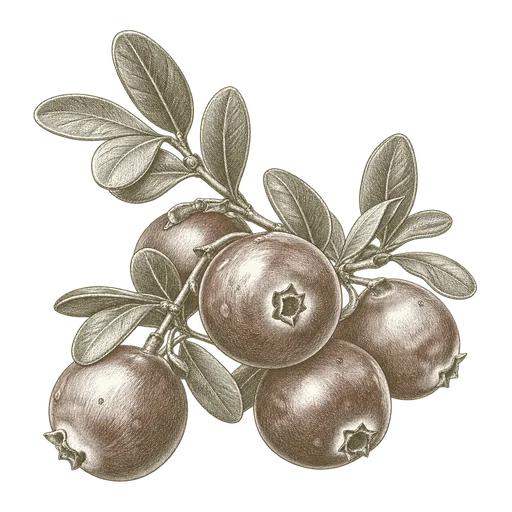
Cranberry Powder

Cranberry powder may be ground whole fruit, dried juice pomace or a pomace extract, and those forms differ in composition and use. Compare ingredient declarations, processing and relevant quality measures before choosing a bulk product for a food formulation.

Explore ingredient
Animal Products

Dried Mealworms

Dried mealworms are Tenebrio molitor larvae supplied whole or ground into meal and powder for animal-feed applications. Choose the form to fit receiving and mixing needs, and compare nutrient analysis on a consistent basis because processing and test methods affect reported composition.

Explore ingredient
Feed Ingredients

Fish Meal

Fish meal is a dried, ground feed ingredient made from whole fish, fish parts or processing residues. Used in livestock and aquaculture feeds, it varies with raw material and processing, so compare lot analysis, product identity and handling details before arranging a bulk shipment.

Explore ingredient
Dairy Ingredients

Milk Protein Isolate

Milk protein isolate is a concentrated bovine milk protein ingredient used in human-food formulations, including nutrition bars and dietetic products. Compare conventional and microfiltered profiles, quality measures and processing needs before choosing a bulk product.

Explore ingredient
Grains

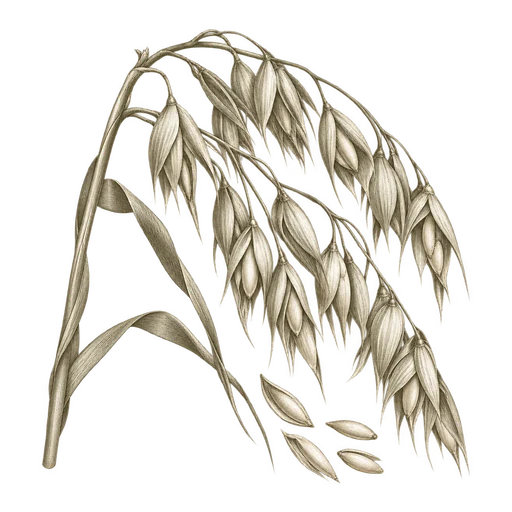
Oatmeal

Oatmeal can mean rolled oats, another oat form, or a distinct feed milling fraction. Name the exact product and intended use, then compare the relevant quality details and receiving needs for a bulk order.

Explore ingredient
Dried Fruits

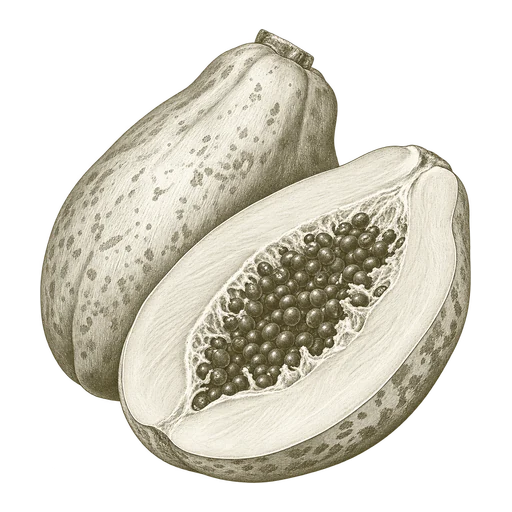
Papaya

Papaya is sourced as fresh fruit, puree, frozen or canned fruit, dried products, and distinct processing by-products. Identify the exact material and compare form-appropriate quality measures, handling needs and intended use.

Explore ingredient
Pulses

Pea Flour

Pea flour is milled from dried peas and used in foods including baked goods, pasta, snacks, batters and sauces. Whole-seed, dehulled, fractionated and pregelatinized forms differ in composition and function, so compare processing details and application-relevant specifications.

Explore ingredient
Starches/Fibers/Proteins

Pea Hull Fiber

Pea hull fiber is milled field-pea seed coat used in food formulations and animal feed. Compare hull identity, fiber analysis basis, particle size and intended grade to choose material that fits the formulation and receiving setup.

Explore ingredient
Feed Ingredients

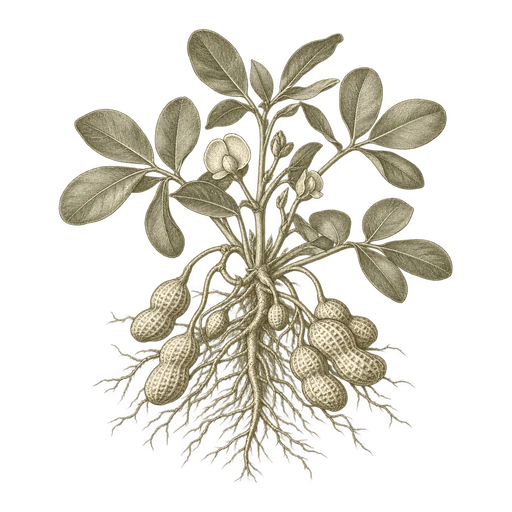
Peanuts

Peanuts are sourced as whole kernels and processed products such as peanut meal, hulls and skins. Identify the exact form and intended use first, then compare the relevant analysis and aflatoxin documentation before arranging a bulk shipment.

Explore ingredient
Dried Fruits

Pineapples

Pineapple is sourced as whole fresh fruit, processed food ingredients such as juice and pulp, dried fruit, and distinct processing residues. Identify the exact form and preservation state because quality measures, uses and handling differ across these materials.

Explore ingredient
Animal Products

Salmon Oil

Salmon oil is a fish-derived lipid used as a fat and long-chain omega-3 source in animal-food formulations. Compare source, processing, intended-use grade, fatty-acid profile and oxidation results, then match the offered oil’s packaging and handling directions to your receiving setup.

Explore ingredient
Dried Vegetables

Zucchini

Zucchini is an immature summer squash used in human-food products as fresh fruit, frozen or canned slices, and dried pieces. Choose the form, maturity or cut, and handling requirements to fit the recipe and receiving setup.

Explore ingredient

Storage depends on ingredient form

Ingredient storage is not one set of conditions for every product in this collection. Carrot Powder and Cranberry Powder, Fish Meal, Salmon Oil, Oatmeal, Pea Flour, Peanuts, and dried insects have different physical forms and storage concerns. A product name alone does not establish whether a lot is raw, dried, milled, stabilized, or packed for a particular environment.

Compare products using the exact form, intended use, packaging, and supplier storage instructions. Do not apply a grain-specific moisture threshold or a consumer pet-food storage rule to unrelated bulk ingredients.

Moisture and oxidation need different questions

For dry ingredients, ask for the moisture specification, test basis, package type, and stated storage conditions. Moisture ingress or condensation can increase spoilage risk; the relevant limit and controls should match the particular ingredient rather than a generic definition of “dry.”

For oily materials such as Salmon Oil, and meals containing residual fat such as Fish Meal, ask how stability is assessed and what packaging and storage protections are specified. Do not assume one oxidation measure, temperature, or shelf life applies to every lot.

Check traceability and receipt condition

Before purchase, compare the current specification, lot identification, date information, packaging details, and available lot-specific test records. Confirm which intended market the documentation covers, such as human food or animal feed.

Plan how to inspect incoming product and storage areas for damaged packaging, moisture, caking, mold, insects, unusual odor, or unexpected heating. If a lot shows a condition of concern, follow product-specific guidance rather than assuming that cooling or blending resolves it.

Common questions.

Can one storage rule cover every ingredient in this collection?+

No. Powders, oil, meal, grain forms, nuts, dried fruit, and dried insects differ. Use instructions and limits specified for the exact product form and lot.

What storage details should I compare before buying?+

Compare the current specification, moisture or stability information relevant to the product, packaging, storage instructions, lot identification, and date information.

Why ask about packaging as well as storage conditions?+

Packaging affects how a product is protected during storage and transport. Ask which package is offered and what conditions the supplier specifies for that product.

Do these ingredient names establish shelf life or intended use?+

No. Confirm processing form, intended market, and the shelf-life basis for the specific lot in its product documentation.

Ingredient storage · BUYER INSIGHTS

Go deeper before you source.

Focused guides to the specification, application, and delivery questions behind this ingredient.

FIELD GUIDE01Ingredient storage
Buyer’s guide

Planning zucchini shipping and storage by product form

Fresh, frozen, canned and dried zucchini call for different receiving and storage plans. Match packaging, unloading and destination storage to the selected form, and follow the specific offer’s instructions rather than assuming a guaranteed shelf life.

Read this Insight
FIELD GUIDE02Ingredient storage
Buyer’s guide

How to evaluate dried zucchini for soups and casseroles

A practical guide to matching dried zucchini cut size, moisture information and preparation to the recipe and finished texture required in soups, stews and casseroles.

Read this Insight
FIELD GUIDE03Ingredient storage
Buyer’s guide

Which zucchini quality specifications matter by product form?

A form-specific guide to comparing fresh, cut and dried zucchini quality, including maturity, condition, cut dimensions and moisture considerations.

Read this Insight
FIELD GUIDE04Ingredient storage
Buyer’s guide

Planning bulk salmon oil receiving and storage

Prepare for a bulk salmon oil shipment by matching the offered packaging to your unloading setup, storage capacity, destination and schedule. Use lot-specific handling instructions rather than assuming a package, temperature or shelf life.

Read this Insight
FIELD GUIDE05Ingredient storage
Buyer’s guide

Questions to resolve before using salmon oil in pet food

Evaluate salmon oil for pet food by matching its intended-use grade, verified fatty-acid profile and processing to the formula. A research-diet inclusion level is not a commercial rate; review the offered product documentation and the complete recipe before setting one.

Read this Insight
FIELD GUIDE06Ingredient storage
Buyer’s guide

How to compare salmon oil fatty-acid and oxidation specifications

Compare salmon oil fatty-acid and oxidation results on a like-for-like basis: check the EPA and DHA denominator, read peroxide and anisidine values separately, and treat ToTox as a combined indicator rather than a substitute for its components.

Read this Insight