Oils/Fats
Olive Oil
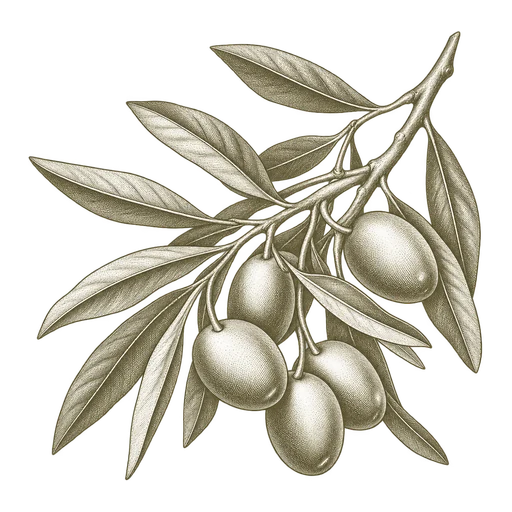
Olive oil covers distinct virgin, refined, blended and pomace categories. Match the processing route and sensory requirements to the food use, then compare quality measures and receiving needs for a bulk order.
Explore ingredientBulk food logistics depends on ingredient form and shipment configuration. This collection spans liquid olive oil, dry pea hull fiber and peanut granules, and pineapple in multiple preservation forms.
Olive oil covers distinct virgin, refined, blended and pomace categories. Match the processing route and sensory requirements to the food use, then compare quality measures and receiving needs for a bulk order.
Explore ingredientPea hull fiber is milled field-pea seed coat used in food formulations and animal feed. Compare hull identity, fiber analysis basis, particle size and intended grade to choose material that fits the formulation and receiving setup.
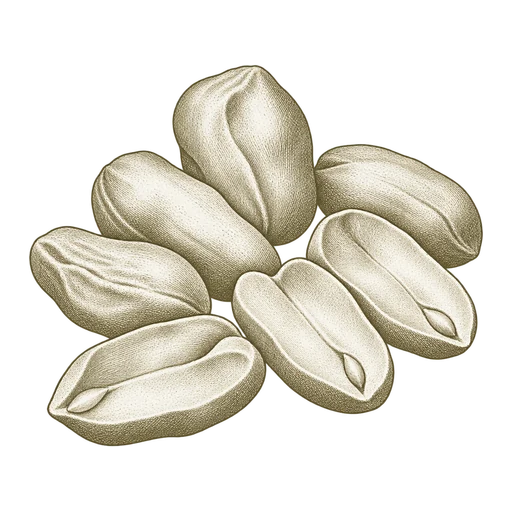
Explore ingredientPeanut granules are chopped peanut pieces used in foods such as chocolate, ice cream and biscuits. Compare particle size, roast and blanch status, added ingredients, and lot-specific quality documentation to find a product that fits your process.
Explore ingredientPineapple is sourced as whole fresh fruit, processed food ingredients such as juice and pulp, dried fruit, and distinct processing residues. Identify the exact form and preservation state because quality measures, uses and handling differ across these materials.
Explore ingredientBulk food logistics is not one transport solution for every ingredient. Olive oil is a liquid; pea hull fiber and peanut granules are dry solids; pineapple may be fresh, frozen, canned, dried or otherwise processed. The product’s exact form and intended use determine what needs to be protected in transit and what receiving equipment is suitable.
The ingredients in this collection—Olive Oil, Pea Hull Fiber, Peanut Granules and Pineapples—are examples of those different handling needs, not a single comparable commodity class. Confirm the product form before comparing packaging, shipment configuration or quality requirements.
For olive oil, clarify the oil category and how it will be transported. Bulk liquid handling makes tank suitability, cleanliness, inspection and precautions against unnecessary aeration relevant questions. Heating is not automatically required; confirm any temperature controls for the specific product and shipping arrangement.
For pea hull fiber and peanut granules, establish the particle or granule characteristics required by the application and confirm that the package and receiving setup can accommodate the material. For pineapple, first identify the preservation method and style. Fresh, frozen, canned and dried forms do not share identical transport requirements.
A useful purchase specification names the ingredient form, intended use, quality targets and packaging or delivery configuration. Request the current product specification and lot identification, plus applicable test results and handling details. A published grade standard may help define a requirement for a particular product, but it should not be assumed to describe every commercial lot.
Align delivery planning with the receiving site: confirm what equipment can unload the shipment, how the material will be transferred, and what checks are needed before acceptance. For bulk transport, clarify relevant cleaning or prior-cargo information where applicable. Verify intended-use suitability separately; transport rules alone do not establish that a lot is suitable for a particular food, feed or pet-food application.
Name the exact ingredient form and intended use, then state relevant quality targets, packaging or shipment configuration, and delivery requirements.
No. Identify whether the pineapple is fresh, frozen, canned, dried or another form before setting transport and receiving requirements.
Clarify the oil category and transport method. For bulk liquid shipment, ask about food-contact suitability, tank cleanliness and inspection, and any product-specific temperature controls.
No. Transport information does not establish intended-use suitability. Confirm the lot’s specification and use status separately.
Focused guides to the specification, application, and delivery questions behind this ingredient.
Receiving and storage plans for bulk pineapple start with the product form. Fresh fruit, frozen pulp, treated juice and dried fruit have different handling needs, so match packaging, unloading capacity and storage instructions to the specific offer.
Read this InsightPineapple pulp carries fruit solids that can contribute texture; juice is a liquid ingredient. Compare the specific product’s physical form, processing, and receiving needs against your formulation before sourcing.
Read this InsightCompare pineapple juice using three distinct measures: °Brix for refractive soluble solids, acidity for acid balance, and pulp or insoluble solids for suspended fruit material. The right specification depends on the intended use, product form and preservation state.
Read this InsightPlan bulk peanut granules delivery around the offered form, your site’s unloading setup and the lot’s own storage guidance.
Read this InsightCompare the peanut granule characteristics that shape chocolate and biscuit formulations—piece size, fines, roast profile, blanch status and salt—then use the offered specification and product trials to define a sourcing request.
Read this InsightParticle-size distribution and fines shape the appearance and texture of peanut granules in manufactured foods. Learn what to compare in specifications and lot documents before sourcing a defined size.
Read this Insight