Grains
Alfalfa
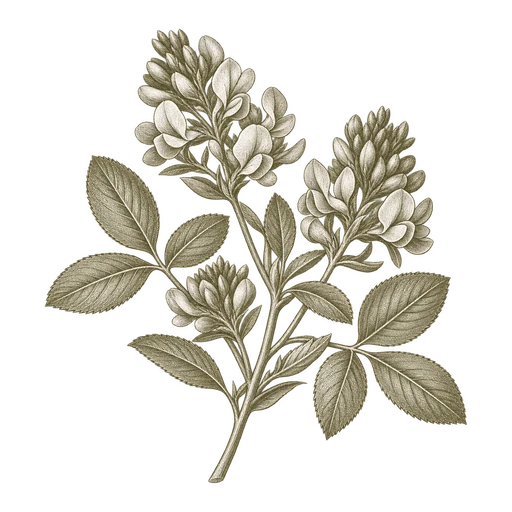
Alfalfa is a forage legume sourced as hay, silage, meal or pellets for livestock feed. Match the form to receiving and ration needs, then compare a lot-specific analysis on a consistent basis.
Explore ingredientCompare cane and beet molasses analyses on a consistent basis. Learn how to interpret dry matter, moisture, sugars, crude protein, ash, minerals and liquid-flow information before sourcing bulk feed molasses.
A useful molasses feed analysis lets you compare like with like. First identify whether the product is cane or beet molasses, then check how each reported value is expressed and measured. Both are sugar-processing co-products, but their composition can differ, and values can also vary among lots. Do not treat a figure from one product or supplier as a guaranteed value for another.
Read the report header and footnotes, not just the nutrient numbers. Look for the sample or lot identification, reporting units, analytical basis, and test method where provided. If a quote and analysis use different bases, convert the values before comparing them. Otherwise, an apparent difference may reflect reporting format rather than a meaningful difference in the material.
As-fed analysis describes the molasses as delivered, including its water. Dry-matter analysis removes the water mathematically, making it easier to compare nutrient concentration across products with different moisture contents. Dry matter is the portion left after excluding water; moisture is the complementary portion of the product.
To convert an as-fed nutrient percentage to a dry-matter percentage, divide the as-fed value by the dry-matter fraction. For example, use dry matter expressed as a decimal in the calculation. To convert a dry-matter value back to an as-fed basis, multiply it by that fraction. Keep units consistent and check whether the report gives dry matter as a percentage or a fraction before calculating.
When comparing two offers, put both analyses on the basis your nutritionist or formulation system uses. Retain the original figures alongside the converted ones so the calculation can be reviewed. A dry-matter comparison does not replace delivered-product analysis: the as-fed composition still matters when calculating the amount of liquid ingredient added to a ration or process.
Sugar is a central energy-related measure for feed molasses, but the word “sugars” can cover different reported fractions. One analysis may list total sugars, while another separates sucrose and reducing sugars or uses a different method. Compare values only after checking what the reported measure includes and whether the analyses use the same basis. Do not assume that a single sugar figure describes every carbohydrate fraction.
Crude protein is useful for understanding the product’s contribution to a ration, but it should not be mistaken for a full account of protein quality or amino-acid supply. Compare its basis and test method, and use the result within the complete feed formulation rather than as a stand-alone measure of value.
Ash represents the inorganic residue measured in the analysis. It provides a broad indication of mineral material, not a detailed mineral profile. If mineral contribution matters to the formulation, review individual reported minerals and their units rather than inferring them from ash alone. Compare calcium, phosphorus, potassium, sodium, sulfur or other listed minerals only when the reports identify the same analytes and analytical basis.
For a liquid ingredient, composition is only part of the purchasing decision. Dry matter or moisture indicates how concentrated the delivered product is, while flow characteristics affect pumping, transfer and accurate metering. A molasses analysis or product specification may include soluble-solids or concentration information, but methods and terms are not interchangeable by default. If a report uses a measure such as Brix, ask what it represents in that supplier’s documentation rather than treating it automatically as a dry-matter result.
Viscosity is affected by temperature, so a flow figure is meaningful only when the stated test conditions are understood. Ask for the temperature and measurement method if viscosity is reported, and describe the temperatures and equipment relevant to your receiving and transfer system. That makes it possible to assess whether the product can be handled as planned without assuming that two figures taken under different conditions are comparable.
A practical comparison sheet should record molasses type, lot or sample reference, analytical basis, dry matter or moisture, sugar definition and value, crude protein, ash, and any minerals important to the formulation. Add the method and units for each result where available. For liquid handling, include any stated concentration or viscosity information together with its measurement conditions. Mark missing or differently reported items instead of treating them as equivalent.
Request current lot-specific documentation for the material being offered and review it against your required basis and formulation. Reference figures are useful for orientation, not as promised limits. Once you have defined the needed type, analysis and receiving requirements, visit the [molasses page](/ingredients/molasses) to explore sourcing options. Delivered price can depend on the ordered product, quantity, destination, packaging or receiving setup, and shipment terms.
They may describe different cane or beet products or lots, but they may also use different analytical methods, units, or reporting bases. Check whether each value is as-fed or on a dry-matter basis and confirm what each reported sugar measure includes before comparing.
First confirm that both reports define and measure sugars in the same way. If one result is on a dry-matter basis, multiply it by the dry-matter fraction to convert it to an as-fed value. Keep the original result and calculation with the comparison.
Do not assume that it does. Brix is a soluble-solids concentration measure, and its relationship to dry matter depends on the material and the method used. Use the supplier’s documentation to understand the reported measure and compare it with dry matter only when the basis is clear.
Focused guides to the specification, application, and delivery questions behind this ingredient.
Plan bulk molasses receiving around the product form, site access, transfer equipment, storage protection and delivery timing. Cold conditions can make liquid molasses more viscous, so pumping and any temperature management should be discussed for the specific product.
Read this InsightMolasses can supply rapidly fermented sugars, improve palatability and help reduce dust in cattle feed. Its role depends on product form, lot analysis and how it fits the complete ration.
Read this InsightAlfalfa is a forage legume sourced as hay, silage, meal or pellets for livestock feed. Match the form to receiving and ration needs, then compare a lot-specific analysis on a consistent basis.
Explore ingredientAlfalfa meal is ground forage used in animal feed, with sun-cured and dehydrated processing routes and meal or pellet forms. Compare the offered process, physical form and analysis against the needs of the species and feed formulation.
Explore ingredientAlfalfa pellets are ground, compressed forage used in livestock feeding and compound feeds. Compare the drying process, alfalfa material, forage analysis and pellet characteristics to choose a form that fits your ration and receiving setup.
Explore ingredientBeet pulp pellets are a dried, compacted sugar beet co-product used as a fibrous, energy-bearing ingredient in livestock feed. Compare molasses status, lot analysis and pellet handling needs to match the product to your ration and receiving setup.
Explore ingredient