Grains
Alfalfa
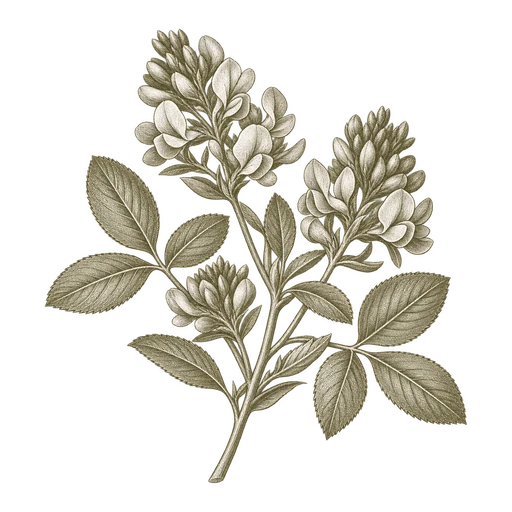
Alfalfa is a forage legume sourced as hay, silage, meal or pellets for livestock feed. Match the form to receiving and ration needs, then compare a lot-specific analysis on a consistent basis.
Explore ingredientCompare amaranth grain offers by botanical identity, process details, moisture, and nutrient values reported on a consistent basis. “Processed” alone is not a specification.
For feed buyers comparing amaranth grain, the word “processed” does not identify what changed or how the grain will perform in a ration. Amaranth refers to seeds from plants in the genus Amaranthus; a useful comparison starts with the species or botanical identity stated for the product, then describes the form and actual process. A label such as raw, treated, or processed alone leaves important questions unanswered.
Raw grain generally means grain that has not undergone the particular treatment being discussed, but buyers still need to know whether it is whole, cleaned, cracked, or otherwise prepared. Processed grain could mean a physical size reduction, heat treatment, expansion, or another operation. These treatments are not interchangeable. Ask for a description of the operation rather than assuming that a general label guarantees a particular nutrient profile, digestibility, or feeding result.
A meaningful process description identifies the operation and, where relevant, the conditions that define it. For a heat-based or moisture-based treatment, ask which conditions the supplier records and whether the description applies to the specific lot. For a size-reduction step, distinguish whole grain from cracked or ground material and request particle-size information if it affects mixing, handling, or the intended ration. The purpose is not to demand one universal process specification; it is to make unlike products distinguishable.
Processing can change physical characteristics and can affect how a feed ingredient behaves in handling or formulation. The direction and significance of any nutritional or digestibility change depend on the species of amaranth and the actual process. Therefore, do not infer a benefit from terms such as cooked, expanded, or heat-treated alone. If a seller cites feeding or digestibility results, check that the evidence concerns the same animal species, amaranth identity, and sufficiently similar processing method and conditions. A result from one treatment is not a universal specification for processed amaranth.
Moisture is essential context for interpreting nutrient results. A nutrient value reported on an as-fed basis describes the ingredient as sampled, including its moisture. A dry-matter value expresses the nutrient relative to the material remaining after water is excluded. Those figures can look different even when they describe the same material, so comparisons are only meaningful when the basis is clear.
When converting an as-fed value to a dry-matter basis, use the moisture result from the same sample: divide the as-fed nutrient percentage by the dry-matter fraction, where the dry-matter fraction is one minus the moisture fraction. Keep all inputs in consistent units. Do not compare a supplier’s dry-matter figure directly with a table or lot result reported as-fed, and do not apply a moisture correction using a value from another lot.
For a feed comparison, review the reported moisture and nutrient measures relevant to the formulation, such as protein, fat, fiber, and ash when provided. Confirm the method or reporting basis when results will be compared across suppliers or used in calculations. A panel is useful only when the sample identity, units, and basis are clear; the presence of a number by itself does not establish that two products are equivalent.
Put the botanical identity, physical form, process description, moisture, nutrient values, units, and analytical basis side by side. Record whether each result represents the actual offered lot or a general product description. If one analysis is reported on an as-fed basis and another on a dry-matter basis, convert consistently before comparing. If process details or species identity are missing, mark the comparison as incomplete rather than filling gaps with assumptions.
Then judge whether the available information answers the formulation question. A formulation or feeding claim should match the animal species and the relevant processed form; results for another grain treatment or amaranth species should not be treated as a direct substitute. Where published or supplier-provided evidence is used, verify what material and process it actually describes before applying it to a purchasing decision.
For a sourcing request, specify the amaranth form and any required analysis basis, and state which lot information is needed for evaluation. The [Amaranth ingredient page](/ingredients/amaranth) is the natural next step for buyers seeking the ingredient and a supplier connection. Exact lot values, process details, and commercial terms must be established for the offer being considered.
Ask for the botanical identity, the physical form, and a description of the operation and relevant conditions. “Processed” by itself does not establish whether grain was ground, heat-treated, expanded, or treated in another way, nor does it establish a feeding outcome.
Not directly. Use the moisture value from the same sample to convert the as-fed result to a dry-matter basis, or put both results on the same basis before comparing. Check that the reported units and sample identity also match.
No. Check that the cited evidence matches the amaranth identity, animal species, and relevant process and conditions. Study results describe the material tested; they should not be treated as universal specifications for all processed amaranth grain.
Focused guides to the specification, application, and delivery questions behind this ingredient.
A practical planning guide for bulk amaranth forage orders, covering product identity, nitrate-analysis questions, receiving requirements and moisture and contamination protection.
Read this InsightAssessing amaranth grain for poultry feed requires matching the study material and diet to the grain lot being considered. Treatment, bird type, ration context and lot analysis determine how useful the evidence is.
Read this InsightAlfalfa is a forage legume sourced as hay, silage, meal or pellets for livestock feed. Match the form to receiving and ration needs, then compare a lot-specific analysis on a consistent basis.
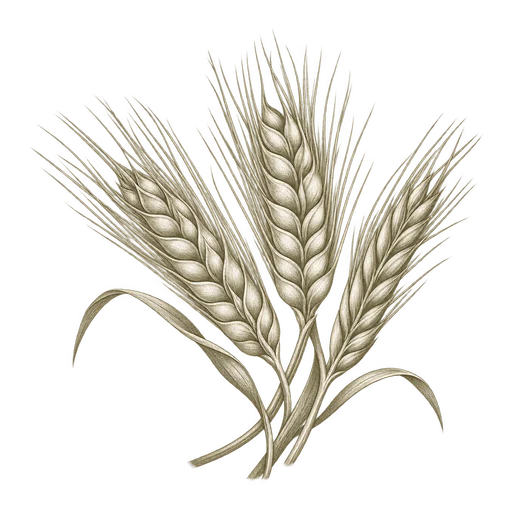
Explore ingredientBarley is a cereal grain used in cattle feed, malting, food and industrial processing. Whole and processed forms serve different needs; identify the intended use, processing state and receiving requirements when sourcing a bulk order.
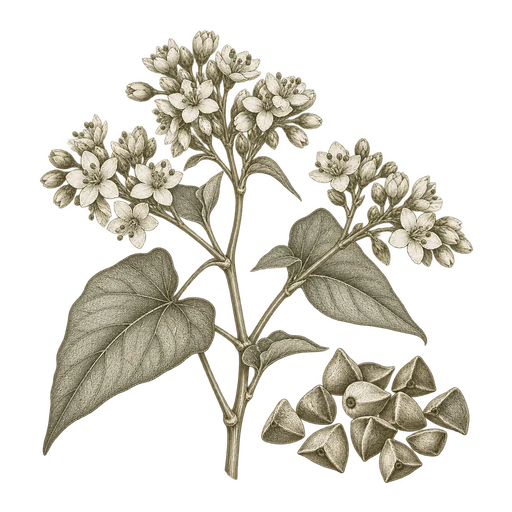
Explore ingredientBuckwheat is sourced as whole seed, dehulled groats, flour and milling by-products for food and feed uses. Choose the form and processing status for the intended use, and compare lot quality on a clearly stated basis.
Explore ingredientMillet covers several small-grained cereal crops used in food and feed. Compare species, whole or milled form, and lot quality details to match the grain to your process, formulation, and storage plan.
Explore ingredient