Fresh, frozen and processed formsWhole, sliced and powdered options
Ingredient intelligence · quote-ready sourcing
StrawberriesBulk sourcing
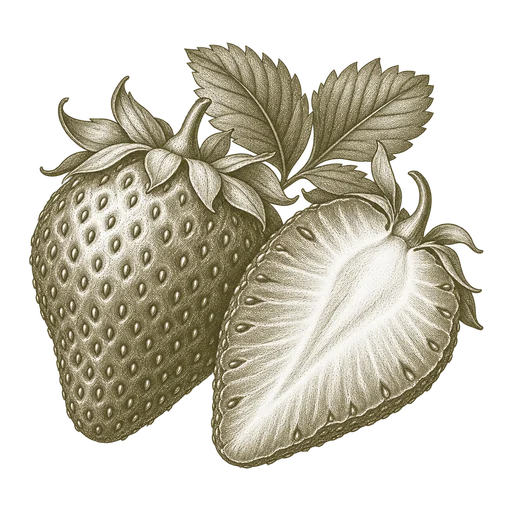
Bulk strawberries are sourced in fresh, frozen and processed forms, each with different handling and recipe characteristics. Specify the form, intended use and relevant quality criteria—especially frozen-fruit grade or dried-product analysis—to compare suitable offers.
Strawberries can be supplied as fresh fruit, frozen berries, puree, freeze-dried pieces or powder. These forms differ in texture, moisture and recipe function, so specify the processing form before comparing offers.
02
Frozen strawberries have a form-specific grading framework, while fresh fruit and dried products require other quality measures. For example, moisture or water activity and particle size are relevant details to request for dried products; they are not substitutes for frozen-fruit grade or fresh-fruit condition.
Distinct frozen-fruit quality reference
Frozen strawberries have a grading framework that evaluates flavor, color, fruit character and defects. It gives buyers a reference for frozen fruit, but does not define cut, size distribution, syrup status or packaging.
Different forms serve different recipe roles
Frozen berries can be used in baked and ready-to-eat foods, while freeze-dried powder has a different texture and can function in specific frozen-dessert formulations. The formulation result depends on the powder and recipe rather than the ingredient name alone.
Fresh fruit condition affects keeping quality
Ripeness, wetness and visible damage matter for fresh strawberries. Fully red fruit is riper, and wet or damaged berries are more vulnerable to deterioration during storage.
SPECIFICATIONS
Strawberries specifications.
Form-specific details to compare
Characteristic
Why it matters
Form and cut
Fresh, frozen, puree, freeze-dried and powdered products have different textures and uses; whole and sliced frozen berries also differ.
Frozen-fruit grade and condition
The grade framework evaluates flavor, color, fruit character and defects; it applies to frozen strawberries, not every product form.
Frozen size, syrup status and packaging
These details help establish whether the frozen fruit matches the recipe and receiving process.
Dried-product moisture or water activity and particle size
These measures describe the particular dried material and its handling; request the stated test method and measurement basis.
Intended use and food-safety controls
Baked products typically receive a kill step, while some ready-to-eat applications do not.
No supplier-specific values are established here. Compare the actual product specification and lot records for the form being purchased.
Read grades and quality measures in context
USDA grading standards apply to frozen strawberries, not automatically to fresh fruit, puree or dried products. For frozen berries, the grade framework evaluates attributes including flavor, color, fruit character and defects. A grade is a useful reference, but it does not replace details such as whole versus sliced, size distribution, syrup status and packaging.
For fresh strawberries, ripeness and physical condition are practical quality markers. Fully red berries are riper; wet fruit, wounds and soft spots are relevant to storage and deterioration. For dried products, request the actual moisture or water-activity specification, particle size, test basis and supporting lot records rather than assuming one standard covers every product.
Plan handling around the form
Fresh berries are perishable. Extension guidance for fresh strawberries recommends prompt cooling and, particularly when storage will exceed a day, storage at 32–35°F and 90–95% relative humidity. These figures are for fresh berries, not frozen fruit, powder or puree.
Frozen berries can be used without a further cooking step in some ready-to-eat foods, so the intended use belongs in the food-safety review. For dried forms, storage conditions should come from the offered specification; do not assume fresh-fruit or frozen-product guidance applies.
APPLICATIONS
Common uses for strawberries.
01
Baked goods
Frozen strawberries are used in baked products. Specify whole or sliced fruit and relevant size and syrup details so the ingredient matches the recipe; baking typically includes a kill step.
02
Yogurt, smoothies and fruit salads
Frozen berries are also used in ready-to-eat products. Because these uses may not include a kill step, the food-safety review should reflect the intended application rather than treating all frozen-fruit uses alike.
03
Frozen dairy desserts
Freeze-dried strawberry powder has been tested as a stabilizer in a specific frozen-dairy-dessert formulation. Its reported effect is formulation-dependent, so do not assume another powder or recipe will perform identically.
ORDERING & DELIVERY
Strawberries delivery.
POINT 01
Define the strawberry order
State whether the requirement is for fresh, frozen, puree or dried strawberries, and identify cut or processing details. Include quantity and unit, destination and timing so the product and delivery requirement can be evaluated together.
POINT 02
Match packaging to receiving
Specify the packaging needed and how the receiving site handles it, including any unloading or storage constraints. For frozen berries, account for maintaining the required frozen condition; packaging and handling details depend on the offered product.
POINT 03
Protect the fruit after receipt
Fresh berries need prompt cooling; guidance for fresh fruit recommends 32–35°F and 90–95% relative humidity, particularly for storage beyond a day. Those conditions do not apply to frozen or dried products, which should be handled and stored according to their own product specification.
Bulk apples can mean whole fruit, culled apples, dried forms or apple pomace—the residue from pressing apples. Specify the form and intended use first, then compare grade or lot analysis, preservation, receiving needs and storage requirements.
Apricots are sourced fresh or processed into dried fruit and other food forms. Match the form, cut, treatment and quality measures to the intended use, then plan receiving and storage around the product’s handling needs.
Avocado feed materials include distinct forms such as pulp-and-peel by-product, peel meal and dried meal. Fraction, processing, intended species and handling needs determine what analysis and safety information matter before a bulk purchase.
Banana chips include both fried snack slices and dried banana products for food preparation or flour. Identify the process, added ingredients, and intended use before comparing quality measures and bulk shipment terms.
What forms of strawberries can be sourced in bulk?+
The product category includes fresh fruit, frozen strawberries, puree, freeze-dried pieces and powder. These forms are not interchangeable, so state the required form and any cut or processing details in the sourcing request.
Does a USDA grade apply to every strawberry product?+
No. The USDA grading framework described here is for frozen strawberries. Fresh, pureed and dried products need their own form-specific quality criteria; a frozen grade should not be treated as a specification for those products.
What affects delivered bulk strawberry pricing?+
Form, grade or quality criteria, quantity, packaging, destination and timing all affect the delivered offer. Fresh, frozen and dried products have different handling needs, so include the intended form and receiving details when requesting a quote.
START WITH A CLEAR BRIEF
Ready to source strawberries?
Send your volume, destination, and key specifications. A broker can follow up with availability and commercial terms.