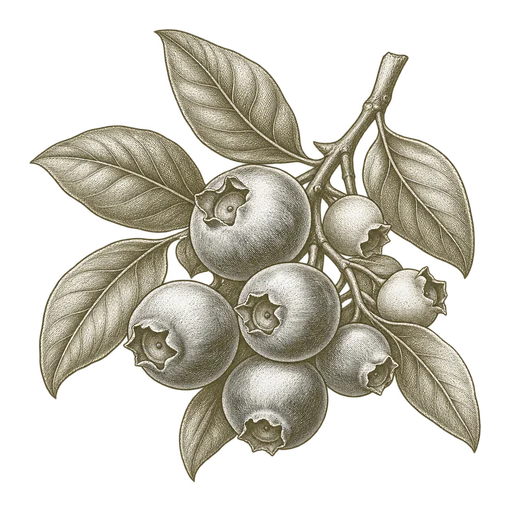
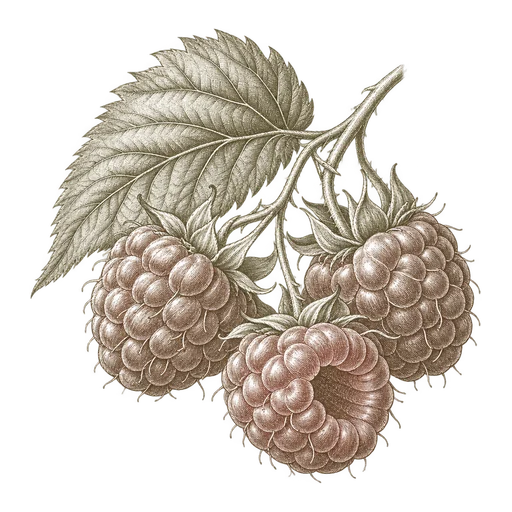
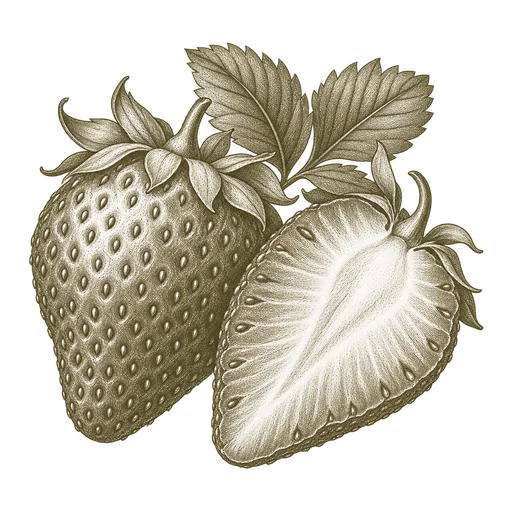
Frozen fruit in this collection means frozen blueberries, raspberries and strawberries for bulk food use. Freezing is a preservation step, not a standardization of fruit: each berry has different characteristics, and the form, packing details and lot specification need to fit the buyer’s recipe or process. Compare appearance and intact fruit for visible uses, and consider flavor, defects and thaw drip for the finished application.
Bulk blueberries are sourced as frozen whole fruit, dried berries, powder, puree and other distinct forms. Match the form and its quality measures to the recipe, processing method and receiving requirements.
Bulk raspberries can mean frozen whole fruit or a distinct processing by-product such as raspberry pomace. Identify the form first, then compare quality criteria or analysis suited to its intended use.
Bulk strawberries are sourced in fresh, frozen and processed forms, each with different handling and recipe characteristics. Specify the form, intended use and relevant quality criteria—especially frozen-fruit grade or dried-product analysis—to compare suitable offers.
This collection covers frozen blueberries, raspberries and strawberries. They are separate fruit ingredients, not interchangeable versions of a single standard: species, form, flavor, color and texture after thawing differ. A grade or specification for one berry should not be assumed to apply to the others.
Commercial forms and packing details can vary. Confirm whether fruit is whole, sliced or supplied in another form, and whether it is sweetened or packed with a medium. Evaluate each offered lot against its own specification.
Match quality to the finished product
For toppings and visible inclusions, intact fruit, appearance and size distribution may be important. For blending or baking, flavor, color, defects and thaw drip may matter more. Freezing can affect fruit tissue and water-holding, so assess thawed texture for the way the ingredient will be used rather than assuming all frozen berries perform alike.
Frozen berries are used in baked goods as well as ready-to-eat foods such as yogurt, smoothies and fruit salads. Confirm that the lot’s food-safety controls and intended-use documentation fit the process; frozen status alone is not a pathogen-control step.
Plan for frozen handling
Before purchasing in bulk, review packaging and net weight, declared storage conditions, defect tolerances, foreign-material controls and any applicable inspection or analytical documentation. Maintain the frozen chain under the stated conditions, and establish handling procedures for opened or partially used packs.
Common questions.
Can I substitute one frozen berry for another?+
Not automatically. Flavor, color, form and texture after thawing differ, so qualify each berry for the recipe or process.
What quality details should I compare?+
Check form, size distribution, appearance, defects and thaw drip where relevant to the application. Use the lot specification and its stated sampling method and limits.
Does frozen mean the berries are ready to eat?+
No. Freezing does not by itself establish ready-to-eat suitability. Confirm the lot’s food-safety controls and documentation for the intended use.
Do the same grade standards cover all three berries?+
No. Standards can be specific to particular fruits or groups of berries. Do not apply a strawberry or raspberry standard to blueberries without a matching specification.
Frozen fruit · BUYER INSIGHTS
Go deeper before you source.
Focused guides to the specification, application, and delivery questions behind this ingredient.