Forms serve different processing roles
Whole fruit, pieces, pulp and juice differ in structure and solid content. Naming the required form helps match the ingredient to cutting, blending, packing or other receiving operations.
Ingredient intelligence · quote-ready sourcing
Also searched as Pineapple, Ananas comosus
Pineapple is sourced as whole fresh fruit, processed food ingredients such as juice and pulp, dried fruit, and distinct processing residues. Identify the exact form and preservation state because quality measures, uses and handling differ across these materials.

Pineapple is the fruit of Ananas comosus. Bulk materials include whole fresh fruit and processed forms such as slices, chunks, crushed fruit, juice, pulp and dried fruit. Processing can also produce peel, core, trimmings and mixed residue streams.
The form reflects what has been removed or changed during processing. Juice is separated from much of the solid material, while pulp and crushed fruit retain fruit solids in a different texture. Preservation also matters: fresh, frozen, thermally treated and dried products require different handling and storage instructions.
A processing residue is defined by its source and contents, not simply by the word pineapple. Its composition depends on the fruit parts and process involved, so feed-oriented material needs its own description and analysis.
Whole fruit, pieces, pulp and juice differ in structure and solid content. Naming the required form helps match the ingredient to cutting, blending, packing or other receiving operations.
Fresh, frozen, thermally treated and dried pineapple are distinct product states. Their storage requirements are not interchangeable, so the preservation method belongs in the product description.
Peel, core, trimmings and mixed streams can have different compositions. A source-process description and representative analysis are especially important when evaluating a residue for feed.
| Characteristic | Why it matters |
|---|---|
| Material identity and fruit parts | Separates edible flesh products from peel, core, trimmings or mixed residues. |
| Physical form | Whole fruit, pieces, crushed fruit, juice, pulp and dried fruit behave differently in processing and receiving. |
| Preservation state | Fresh, frozen, thermally treated and dried materials require different handling and storage instructions. |
| Soluble solids and acidity | Relevant measures for comparing juice or other specified processed products; not a universal specification for every pineapple form. |
| Moisture and residue analysis | Moisture is relevant to dried fruit; residues need analysis suited to their source and proposed feed use. |
These are comparison points, not guaranteed offered values. Request the specification and lot analysis appropriate to the exact material and intended use.
For whole fruit, maturity, physical condition, damage and package uniformity are meaningful comparison points. Soluble solids, commonly expressed as °Brix, can also help describe fruit maturity and sweetness, but a fresh-fruit criterion should not be applied as a specification for juice, pulp or fruit intended for industrial processing.
For juice, relevant measures can include soluble solids, acidity and the amount of pulp or insoluble material. For dried fruit, moisture is a practical quality measure. A feed-oriented residue needs a different evaluation: identify its source and included plant parts, then review a representative analysis appropriate to the intended diet. Fruit identity alone does not establish the composition or suitability of a residue.
Fresh pineapple is used for direct consumption, while cut, canned, juiced, pulped and dried forms serve different food manufacturing needs. Slices and chunks retain recognizable pieces; crushed fruit and pulp contribute fruit solids and texture; juice supplies a liquid fruit ingredient. The required form depends on the finished product and the equipment that receives it.
Pineapple processing residues have been evaluated in cattle-feed contexts, but that does not make whole fruit or every residue a standard feed ingredient. A residue’s plant parts, processing method, moisture and analysis matter. Any feed use should be assessed for the actual material by a qualified nutrition professional; findings for a particular residue or cattle diet should not be generalized to other materials or species.
Fresh pineapple is delicate in shipment and sensitive to chilling, so receiving and temperature planning matter. Processed products need controls matched to their preservation state: frozen pulp, thermally treated juice and dried fruit do not share one storage regime. Follow the producer’s handling and storage instructions for the specific product rather than treating all pineapple forms alike.
For a bulk order, name the exact material, intended use, physical form, preservation method, quantity and destination. Also describe packaging and receiving constraints. For residues, include the source process and the analytical information needed for the proposed feed use. These details help a broker evaluate an appropriate offer and delivered price; commercial terms depend on the offered lot and destination.
Whole pineapple is handled as intact produce. Maturity, condition, damage and package uniformity are useful comparison points; shipment and receiving plans should account for the fruit’s delicate, chilling-sensitive nature.
Slices and chunks retain recognizable pieces of fruit for products that require a defined cut form. Specify the desired cut and preservation state rather than treating pieces as equivalent to crushed fruit or pulp.
Juice supplies a liquid fruit ingredient, while pulp retains fruit solids and texture. Soluble solids and acidity can help describe juice; pulp content or insoluble solids can matter when comparing a juice product.
Dried pineapple is a distinct form for products using fruit without the moisture level of fresh material. Moisture and suitable packaging are relevant considerations, while the specific storage instructions depend on the offered product.
Residues from cutting or canning may be evaluated for cattle-feed use, but the material must be identified by source and composition. A feed specialist should assess the actual residue and its analysis; this use should not be generalized to other species or streams.
Name the exact form, fruit parts, preservation state, intended use, quantity and unit, destination and timing. These details distinguish a fresh-fruit request from a processed food ingredient or a residue requiring feed-oriented review.
Describe the packaging and how the facility will receive and unload it. Receiving requirements differ for intact fresh fruit, packaged processed products and residues, so include relevant equipment, access and temperature constraints in the shipment request.
Fresh pineapple is delicate and chilling-sensitive; processed products need storage matched to whether they are frozen, treated or dried. Obtain the specific handling instructions for the offered product and protect dried material from unsuitable moisture exposure.
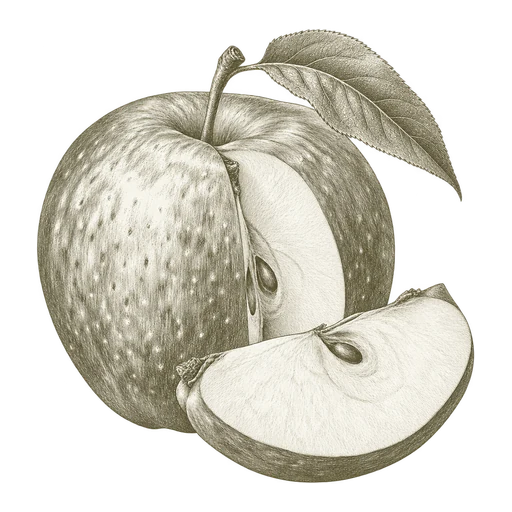
Bulk apples can mean whole fruit, culled apples, dried forms or apple pomace—the residue from pressing apples. Specify the form and intended use first, then compare grade or lot analysis, preservation, receiving needs and storage requirements.
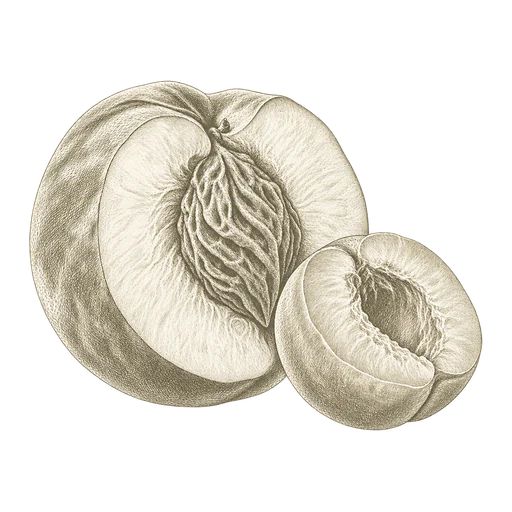
Explore ingredientApricots are sourced fresh or processed into dried fruit and other food forms. Match the form, cut, treatment and quality measures to the intended use, then plan receiving and storage around the product’s handling needs.
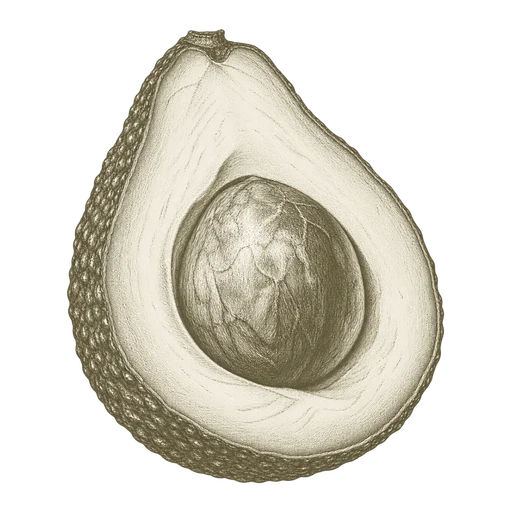
Explore ingredientAvocado feed materials include distinct forms such as pulp-and-peel by-product, peel meal and dried meal. Fraction, processing, intended species and handling needs determine what analysis and safety information matter before a bulk purchase.
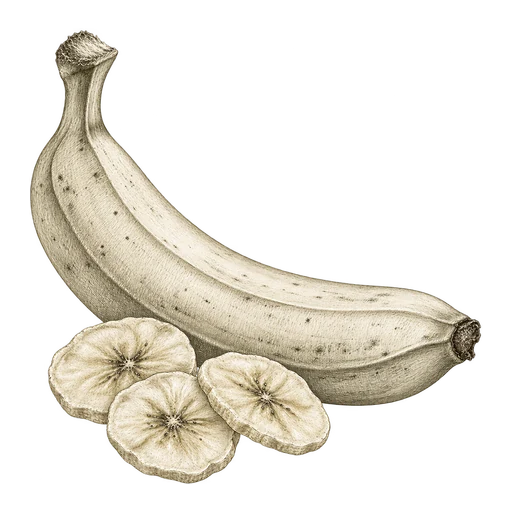
Explore ingredientBanana chips include both fried snack slices and dried banana products for food preparation or flour. Identify the process, added ingredients, and intended use before comparing quality measures and bulk shipment terms.
Explore ingredientFocused guides to the specification, application, and delivery questions behind this ingredient.
Receiving and storage plans for bulk pineapple start with the product form. Fresh fruit, frozen pulp, treated juice and dried fruit have different handling needs, so match packaging, unloading capacity and storage instructions to the specific offer.
Read this InsightPineapple pulp carries fruit solids that can contribute texture; juice is a liquid ingredient. Compare the specific product’s physical form, processing, and receiving needs against your formulation before sourcing.
Read this InsightCompare pineapple juice using three distinct measures: °Brix for refractive soluble solids, acidity for acid balance, and pulp or insoluble solids for suspended fruit material. The right specification depends on the intended use, product form and preservation state.
Read this InsightCommercial pineapple materials include whole fresh fruit, slices, chunks, crushed fruit, juice, pulp, frozen pulp, dried fruit and processing residues. They differ in physical form, processing and preservation, so identify the exact material rather than requesting pineapple generally.
No. Residues can contain peel, core, trimmings, juice or mixed processing streams, and their composition depends on the source and process. Feed use should be evaluated using the actual material’s analysis and a qualified nutrition professional; evidence about a particular cattle residue does not establish suitability for other materials or species.
Delivered pricing depends on the offered form and preservation state, quantity, packaging, destination and timing. The quality measures required for the product—such as °Brix for a juice or moisture for dried fruit—can also shape which offers meet the request. A broker can confirm the terms for a specific lot.
Send your volume, destination, and key specifications. A broker can follow up with availability and commercial terms.