
How to compare lentil quality and grade basis
Compare bulk lentil offers by identifying the grade basis and separately defining the quality measures that matter to your process.
Read the guidePractical guides to ingredients, specifications, and the questions worth asking before you buy.
Better ingredients.
Better questions.
Stronger connections.
Compare bulk lentil offers by identifying the grade basis and separately defining the quality measures that matter to your process.
Read the guide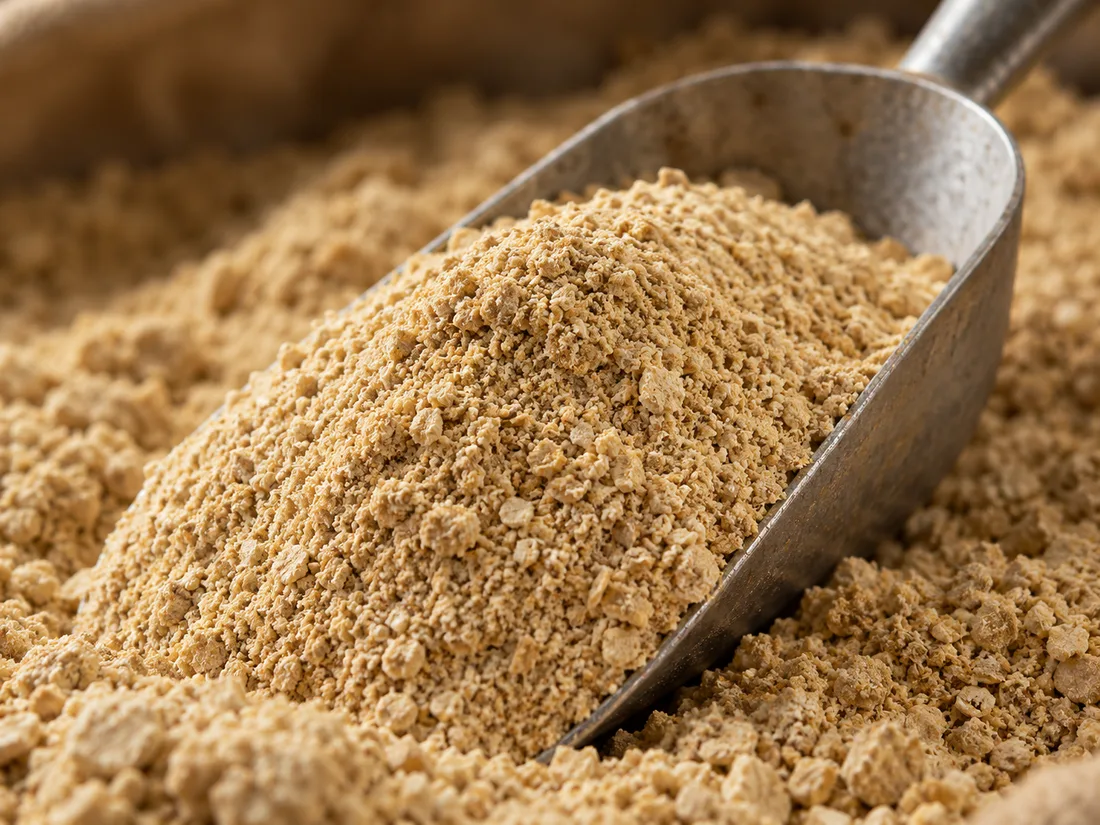
Soybean meal protein percentages reported as-fed and on a dry-matter basis cannot be compared directly. Align moisture, reporting basis, method information, and the context of each COA before evaluating supplier values.
Read the guide
Compare tomato pomace analysis on a consistent basis. Moisture, dry matter, protein, fat, ash and the named fiber method all affect how a lot report should be read.
Read the guideCompare oat groat lots by condition, cleanliness and relevant composition, while checking how each result is defined and reported. Test weight can inform likely yield before dehulling, but it is not a nutrient analysis of the groats.
Read the guideCompare native and modified corn starch by grade identity, functional test conditions, moisture basis and lot-specific analysis so the figures reflect the product and process you actually need.
Read the guideWhole, rolled and ground Austrian winter peas differ in particle size and handling. Compare the form, processing details and lot analysis with your feed system and species-specific ration needs.
Read the guide
Plan bulk soybean oil delivery around your site’s receiving equipment, storage capacity and intended use. Confirm shipment format, unloading arrangements, timing and product records before delivery.
Read the guideA practical receiving and storage guide for corn gluten feed pellets, focused on gravity-fed flow, unloading compatibility and moisture management around metal storage equipment.
Read the guideA practical framework for comparing pea hull fiber offers by identity, fiber analysis method and basis, particle size, and supporting composition measures.
Read the guideLearn how to compare dried black soldier fly larvae analyses by aligning moisture basis, protein and fat methods, and distinguishing full-fat from partly defatted material.
Read the guideA dairy ration decision starts with the complete diet: forage, animal group, other protein sources, and the nutritionist’s nutrient and amino-acid targets. This checklist explains how to evaluate soybean meal’s role and what offer details to discuss before sourcing.
Read the guideA practical guide to evaluating bone meal’s calcium and phosphorus contribution in the complete ration, while accounting for product source, processing form and intended animal.
Read the guideExplore ingredient specifications or share your volume, delivery needs, and buying requirements.