
Chia oil bulk storage and delivery: protecting oil quality
Plan bulk chia oil delivery around your facility’s quantity, packaging and receiving needs, then protect oil quality by limiting exposure to oxygen, light, heat and moisture.
Read the guide
Practical guides to ingredients, specifications, and the questions worth asking before you buy.
Better ingredients.
Better questions.
Stronger connections.
Plan bulk chia oil delivery around your facility’s quantity, packaging and receiving needs, then protect oil quality by limiting exposure to oxygen, light, heat and moisture.
Read the guideRice protein’s limited water solubility can complicate beverage formulation. Separate solubility from dispersion and suspension, then evaluate the specific product in your recipe and process before making a bulk sourcing decision.
Read the guidePlan whey protein concentrate receiving around your facility’s packaging and unloading capabilities, then protect the powder in dry storage and manage stock using the offered lot’s date information and directions.
Read the guideA practical guide to defining a bulk pea fiber order and coordinating packaging, unloading and storage around the specific fraction offered.
Read the guideCompare meat and bone meal lots using analytical basis, protein, fat, moisture, ash and mineral data—not crude protein alone. Amino acid and digestibility results add context when the formulation requires them.
Read the guide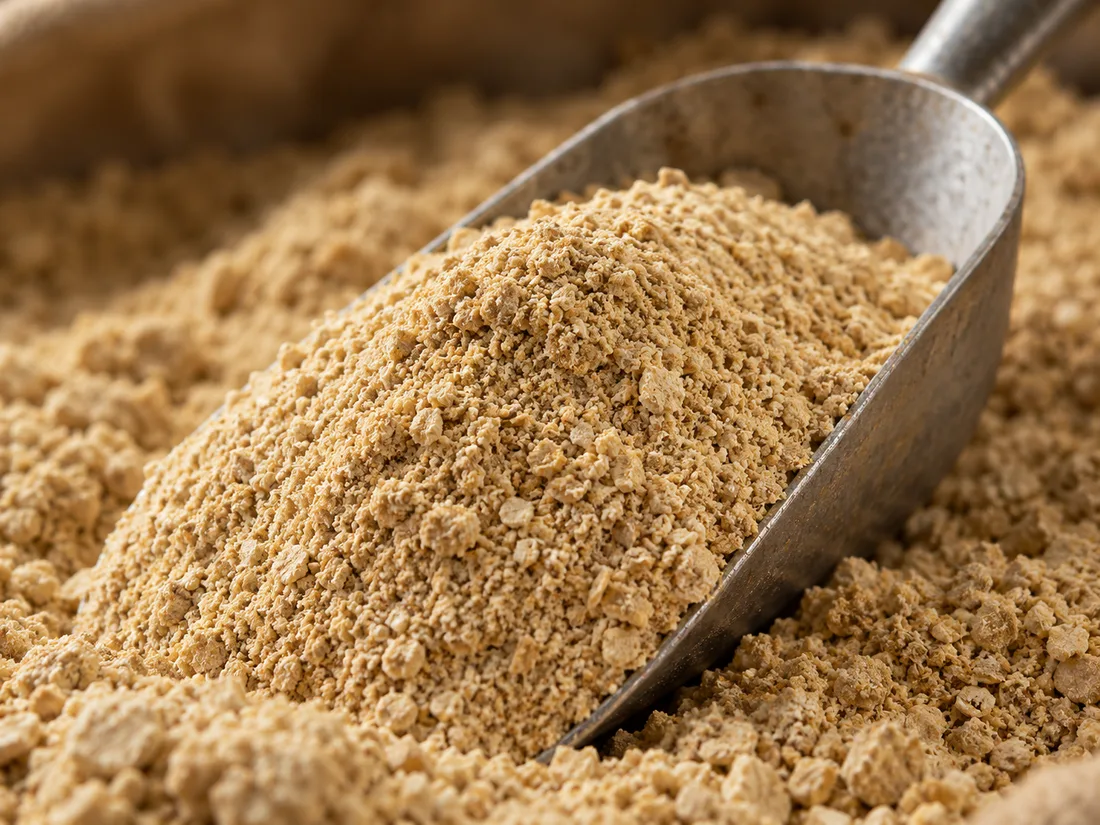
Frame a sourcing conversation around formulation requirements, source consistency, and your delivery program.
Read the guideQuinoa flour and whole quinoa play different roles in bakery recipes. Understand how milling, particle size, processing status and gluten structure shape the formulation questions to resolve before sourcing in bulk.
Read the guidePlan bulk venison meal receiving around your actual quantity, destination, packaging needs and unloading setup. Verify product-specific density, flow and storage instructions before committing facility capacity.
Read the guideFlax meal’s residual oil and reported protein reflect how much oil extraction removes, while heat treatment is a separate process variable. Compare lot results for fat, protein and moisture on a consistent basis rather than treating a process label or reference composition as a shipment specification.
Read the guideWheat middlings can contribute fiber and bulk to gestating-sow diets and energy, protein and fiber to beef cattle rations. Their role depends on species, ration design and the actual lot analysis.
Read the guideA practical guide to comparing refined canola oil specifications, test methods and lot documents against the requirements of a particular application.
Read the guideChoose pickling cucumber size around the finished product and processing line. A useful specification defines the size measurement, acceptable uniformity, firmness and condition—not just the product name.
Read the guideExplore ingredient specifications or share your volume, delivery needs, and buying requirements.