
Receiving and Storing Bulk Peanut Splits
Plan bulk peanut splits delivery around your facility’s quantity, destination, packaging, unloading and dry-storage requirements.
Read the guide
Practical guides to ingredients, specifications, and the questions worth asking before you buy.
Better ingredients.
Better questions.
Stronger connections.
Plan bulk peanut splits delivery around your facility’s quantity, destination, packaging, unloading and dry-storage requirements.
Read the guidePrepare a clear flour order around the product description, quantity, destination, receiving setup and packaging details. Plan to keep the flour dry and protected from contamination, and obtain storage guidance for the specific offer.
Read the guideCompare spelt quality data only after identifying whether the offer is hulled grain, kernels, flour or hull fraction. The form, reporting basis and analytical method determine what a result means for feed formulation or food processing.
Read the guideCompare dried mealworms protein results on a consistent moisture basis, and interpret each value alongside its nitrogen conversion factor and analytical method.
Read the guideCompare whole and chopped sunflower kernels, roasted grits and defatted sunflower flour by their roles in doughs, toppings and fillings—and learn why bakery trials apply to the specific form and recipe tested.
Read the guidePrepare a bulk cheese order by defining the exact product and matching its quantity, packaging, destination, unloading plan, and product-specific storage instructions to your facility.
Read the guideChoose whole, split or dehulled lentils according to the role, appearance and structure required in the finished food. This guide compares the forms for soups, stews, casseroles and salads, and explains which details to define in a bulk specification.
Read the guidePlan a bulk sunflower hearts order around your site’s receiving capabilities and storage conditions. Dehulled kernels need product-specific handling decisions; whole-seed storage guidance should not be applied automatically.
Read the guideA practical guide to volume, specifications, delivery, and the details that make a bulk ingredient inquiry useful.
Read the guideAssessing amaranth grain for poultry feed requires matching the study material and diet to the grain lot being considered. Treatment, bird type, ration context and lot analysis determine how useful the evidence is.
Read the guideA practical framework for comparing black soldier fly larvae oil analysis: distinguish relative fatty-acid profiles from total content, interpret free fatty acids by their stated basis, and review moisture, impurities and unsaponifiable matter with method and lot context.
Read the guide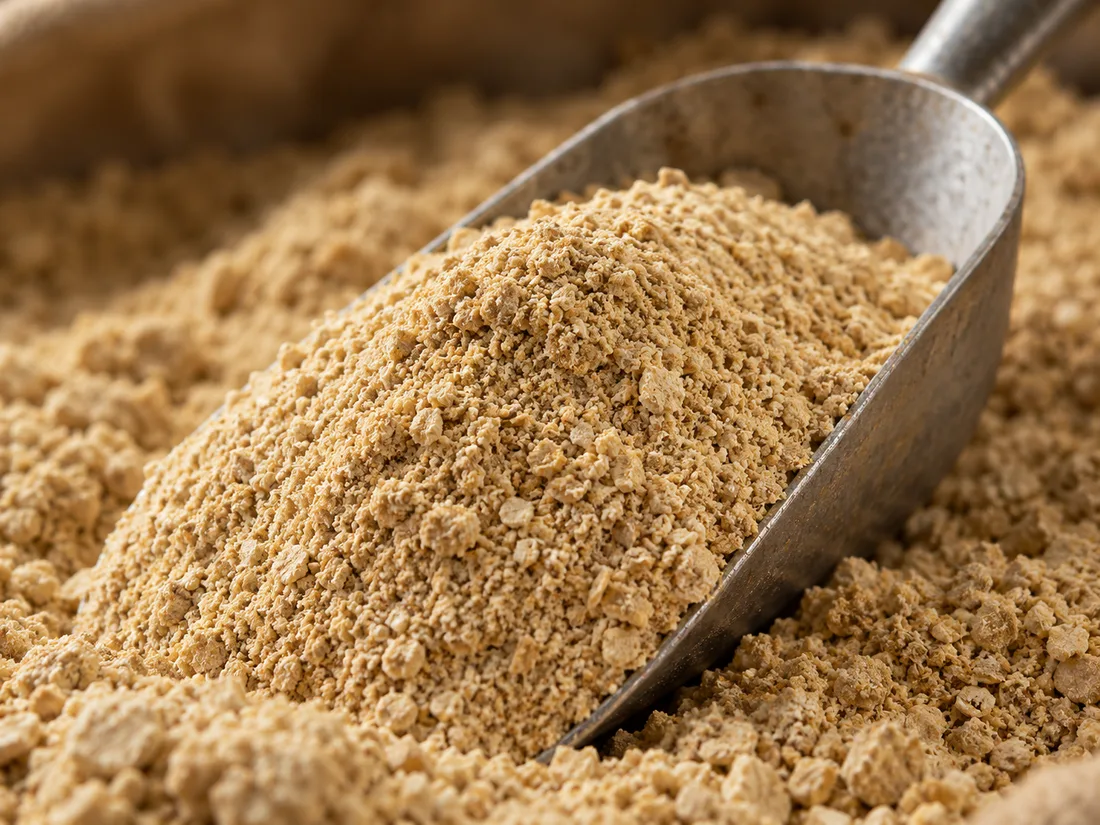
A practical guide to comparing dried distillers grains analyses on a consistent basis, with attention to product identity, moisture, nutrients, minerals and relevant testing.
Read the guideExplore ingredient specifications or share your volume, delivery needs, and buying requirements.