
How to compare peanut meal analysis and aflatoxin documentation
Compare peanut meal analyses by matching product identity, processing route and moisture basis before evaluating protein, fat, energy or aflatoxin documentation.
Read the guidePractical guides to ingredients, specifications, and the questions worth asking before you buy.
Better ingredients.
Better questions.
Stronger connections.
Compare peanut meal analyses by matching product identity, processing route and moisture basis before evaluating protein, fat, energy or aflatoxin documentation.
Read the guide
Prepare to receive and store bulk blood meal powder by matching the order details, packaging and unloading method to your facility, then protecting the product from moisture and contamination.
Read the guideCull Great Northern beans are not a standardized cattle supplement. Their condition, processing history, analysis and place in the complete ration determine what a nutrition professional can reasonably assess.
Read the guide
Choosing soybean oil for commercial frying starts with the menu and fryer, then considers refining, flavor, oil-management practices and comparable supplier documentation.
Read the guideA practical guide to volume, specifications, delivery, and the details that make a bulk ingredient inquiry useful.
Read the guidePine nut freshness specifications work best when they identify the botanical species and product form, define sensory evaluation, and interpret peroxide and acidity results with their test methods and reporting bases.
Read the guide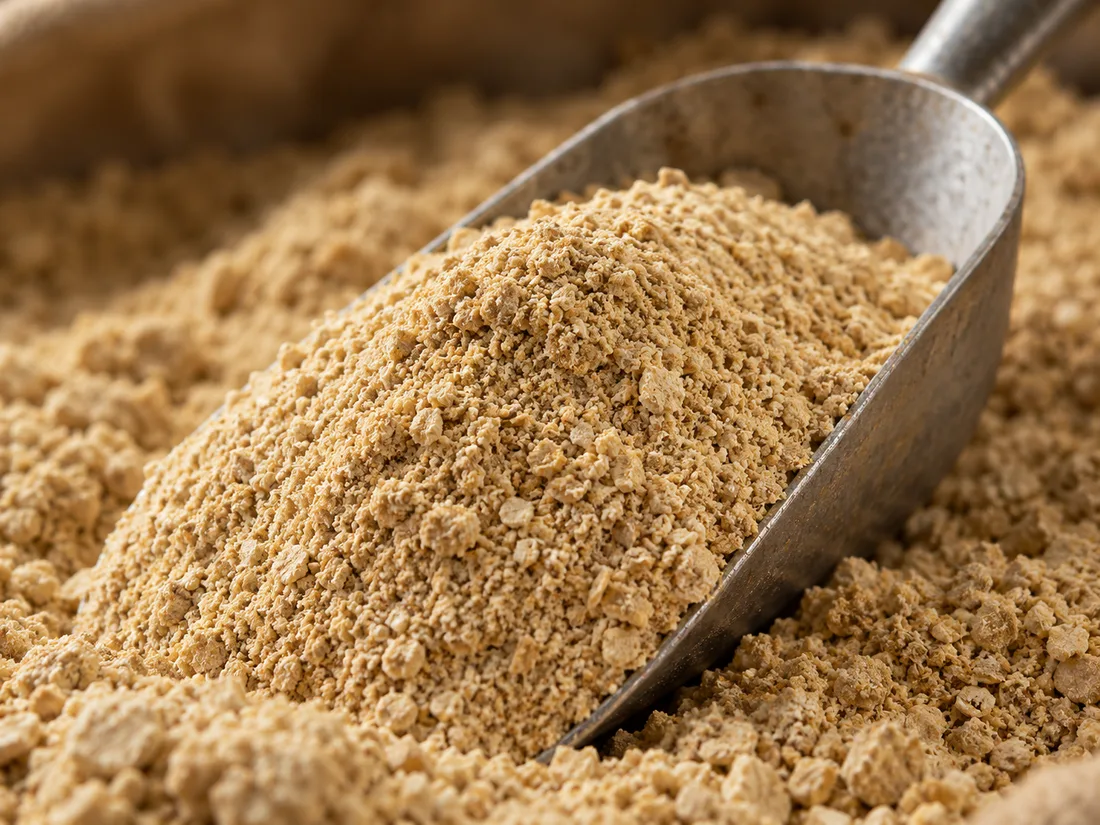
A dairy ration decision starts with the complete diet: forage, animal group, other protein sources, and the nutritionist’s nutrient and amino-acid targets. This checklist explains how to evaluate soybean meal’s role and what offer details to discuss before sourcing.
Read the guidePlan fresh cucumber transit and storage around the 10–12.5°C (50–55°F) temperature range, high humidity, chilling risk below 10°C (50°F), cultivar sensitivity and ethylene exposure.
Read the guideFlour form does not prove kidney beans were heat-treated. Learn which process and product details formulators should verify before specifying treated kidney bean flour.
Read the guideCompare black bean canning quality by separating hydration, washed-drained yield, color, appearance and texture—and checking the methods and sample conditions behind each result.
Read the guideA practical framework for evaluating catfish meal against aquaculture species, life-stage and finished-feed requirements using product identity and lot-specific analysis.
Read the guideA useful almond meal specification identifies whether the product is ground kernels, press cake, or another almond fraction, then reports composition and particle size on a clear, comparable basis.
Read the guideExplore ingredient specifications or share your volume, delivery needs, and buying requirements.