Grains
Alfalfa
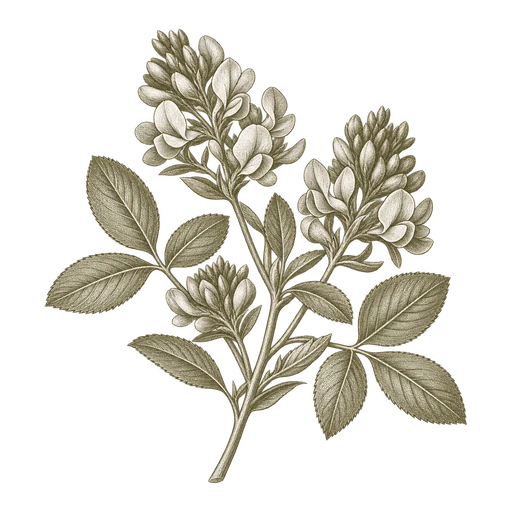
Alfalfa is a forage legume sourced as hay, silage, meal or pellets for livestock feed. Match the form to receiving and ration needs, then compare a lot-specific analysis on a consistent basis.
Explore ingredientChoosing soybean oil for commercial frying starts with the menu and fryer, then considers refining, flavor, oil-management practices and comparable supplier documentation.
Soybean oil is a plant-derived cooking oil made from soybeans. For commercial frying, the right choice depends on what you fry, how the equipment is operated and what you expect from the finished food—not simply on the oil being labeled soybean oil.
Define the operation first: the foods and coatings going into the fryer, the pace of service, the fryer type and the flavor profile you want. Breaded products can leave crumbs and coating particles in the oil; foods with strong flavors can affect later batches. These conditions influence oil management and whether a neutral-tasting oil suits the menu.
Also clarify whether the same oil will serve one product or several. A dedicated fryer can help avoid flavor transfer between foods. If oil is shared, consider the sequence of products and how often the oil is filtered or replaced.
Refining removes many minor components that contribute color, odor and flavor. Refined soybean oil is generally mild in flavor, which can help it avoid competing with a food’s intended taste. That sensory quality is useful in foodservice, but it does not by itself establish how long oil will perform in a particular fryer.
Soybean oil contains a mix of fatty acids, including polyunsaturated fats. The fatty-acid profile affects how readily an oil oxidizes during exposure to heat and air. Specialized soybean oils with a different fatty-acid profile are not interchangeable with conventional soybean oil for every application; the product identity and analysis need to match the intended use.
Do not treat “refined,” “neutral flavor” or “high smoke point” as a complete performance specification. Oil condition changes during use, and actual results depend on fryer temperature, exposure to air, food residues, filtration and replenishment. Smoke point alone does not describe all aspects of frying performance.
Frying oil degrades with repeated heating. Heat, oxygen and food particles contribute to deterioration, while crumbs and coating residues can darken or impart off-flavors to the oil and food. Good operating practices—such as removing food debris and following an appropriate filtration and replacement routine—help manage these pressures, but no single routine fits every menu or fryer.
Set internal criteria for when oil is filtered, replenished or discarded, and train staff to apply them consistently. Sensory checks can help identify changes in odor, appearance or food quality, but should be used within the operation’s established food-safety and quality procedures. Supplier data on incoming oil cannot predict how long it will last after repeated use.
If a change in oil is being considered, compare it under the same menu and operating conditions. Track food quality and oil-use patterns rather than assuming that a different oil will automatically reduce replacement frequency or improve finished-product results.
Request the exact product description and the documentation available for the lot being offered. Depending on the intended comparison, useful information may include the refining description, fatty-acid profile, relevant quality measures and a certificate of analysis. A single measure should not be treated as a complete account of frying performance; for example, a measure of primary oxidation products does not, by itself, describe the oil’s full condition or service life.
Ask how the supplier identifies the product and whether the same specification is used consistently across lots. If your operation has a sensory, formulation or labeling requirement, state it before comparing offers. Food-use labeling and documentation requirements can depend on the destination and intended use, so buyers should establish which requirements apply to their operation.
For a bulk quote, specify the oil type, quantity and unit, delivery destination, desired timing, packaging or receiving method, and any required quality documents. Packaging, minimum order, availability and freight terms depend on the specific offer. For sourcing options, see the Bulk Ag Exchange page for [soybean oil](/ingredients/soybean-oil).
Choose soybean oil only after matching its identity and available quality information to the food, fryer and operating routine. Refined oil’s mild flavor may suit a menu that calls for a neutral-tasting frying medium, while oil composition and kitchen practices remain important to performance. Compare supplier documentation and evaluate any candidate in the real process rather than relying on a label or a single headline claim.
No single oil is automatically right for every fryer or menu. Food type, fryer operation, flavor goals, oil-management practices and the product’s specific characteristics all affect suitability. Match the offered oil and its documentation to the process.
Refining removes many components that contribute flavor and odor, so refined soybean oil is generally mild in flavor. That does not guarantee that oil will remain neutral during use: food residues, repeated heating and cross-flavor transfer can change its sensory character.
Ask for the exact product description and available lot documentation, such as a certificate of analysis and relevant composition or quality measures. State the intended frying use, destination and any applicable labeling or food-use requirements so the offer can be compared against the operation’s needs.
Focused guides to the specification, application, and delivery questions behind this ingredient.
Plan bulk soybean oil delivery around your site’s receiving equipment, storage capacity and intended use. Confirm shipment format, unloading arrangements, timing and product records before delivery.
Read this InsightA practical comparison of soybean oil quality parameters, explaining how product form changes the meaning of key results and how to read a specification alongside a lot-specific certificate of analysis.
Read this InsightAlfalfa is a forage legume sourced as hay, silage, meal or pellets for livestock feed. Match the form to receiving and ration needs, then compare a lot-specific analysis on a consistent basis.
Explore ingredientAlfalfa meal is ground forage used in animal feed, with sun-cured and dehydrated processing routes and meal or pellet forms. Compare the offered process, physical form and analysis against the needs of the species and feed formulation.
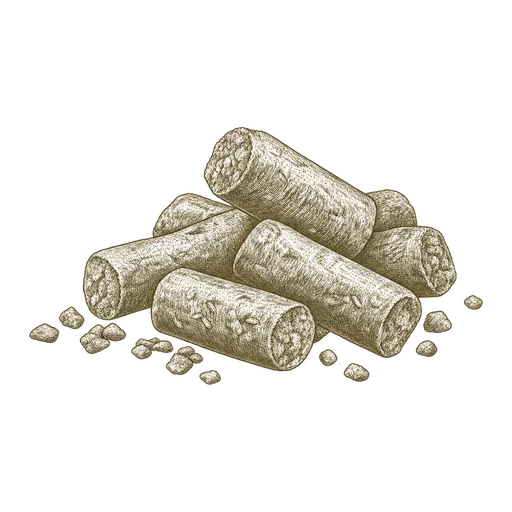
Explore ingredientAlfalfa pellets are ground, compressed forage used in livestock feeding and compound feeds. Compare the drying process, alfalfa material, forage analysis and pellet characteristics to choose a form that fits your ration and receiving setup.
Explore ingredientAlmond hulls are the dried outer layer of the almond fruit, sourced for ruminant feed as hull-only material or as a hull-and-shell mixture. Compare the lot’s composition, physical form, and handling needs before arranging a bulk shipment.
Explore ingredient