
Choosing pumpkin powder for bakery formulations
A practical framework for comparing pumpkin powder identity, processing, sensory qualities and particle characteristics before a bakery production trial.
Read the guidePractical guides to ingredients, specifications, and the questions worth asking before you buy.
Better ingredients.
Better questions.
Stronger connections.
A practical framework for comparing pumpkin powder identity, processing, sensory qualities and particle characteristics before a bakery production trial.
Read the guideKabuli and Desi chickpeas differ visibly as whole seeds, but flour performance depends on the actual ingredient and process. Compare form and product characteristics, then test the flour in the target recipe.
Read the guideTeff flour requirements depend on the product and process. Compare flour for injera through batter and fermentation behavior, and evaluate other baked products against their own mixing, handling, and finished-texture needs.
Read the guide
Understand what test weight, damage measures and dehulled-seed percentage describe in oil-type sunflower grading—and why these results do not establish food-ready or confectionery-kernel quality.
Read the guideAvocado material findings in goats, dogs and cattle are not interchangeable. The fruit fraction, processing, species and study methods determine what a result can support—and whether it helps evaluate a particular meal.
Read the guideCompare poppy meal and pressed cake by confirming the extraction process, checking key analysis fields, and aligning moisture basis before interpreting results.
Read the guideCompare instant whey protein isolate 90 protein results correctly by aligning reporting basis, moisture, analytical method and lot-specific COA details.
Read the guideChoose olive oil for dressings, sauces and manufactured foods by defining its intended role, sensory target and process conditions. Virgin, refined and refined-and-virgin blend categories deliver different sensory profiles, so specify and evaluate the oil in the finished formulation.
Read the guideCottonseed hull pellets contribute high-fiber, low-energy roughage to cattle rations. Their role depends on the animal class, ration objective, complete-diet balance and analysis of the offered lot.
Read the guideA practical guide to comparing wet and dried cranberry pomace by moisture, delivered solids and consistently reported analysis.
Read the guide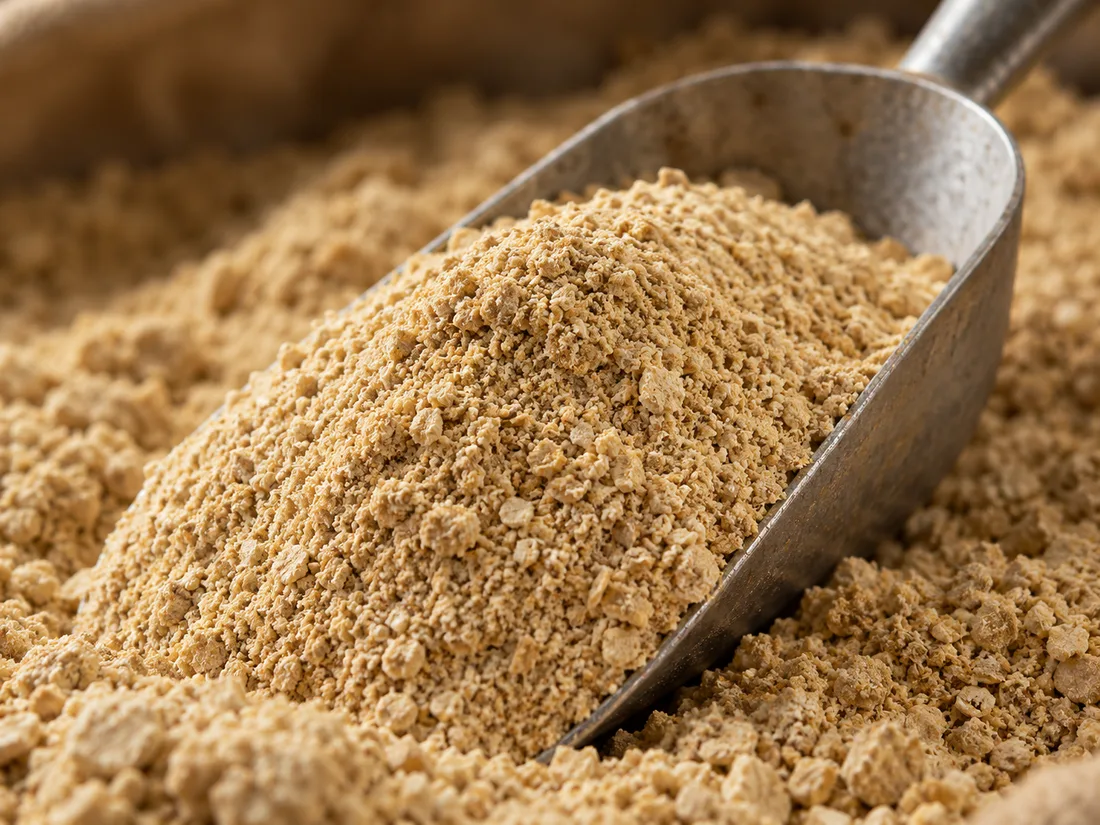
Dried distillers grains can add protein and energy to beef rations, but their sulfur and phosphorus contributions affect whole-ration decisions. Learn what analyses to consider and why calcium balance matters before sourcing a product.
Read the guideA practical guide to comparing peanut hull pellet analyses: align moisture basis, units and nutrient definitions before comparing values, and evaluate energy figures and pellet condition in context.
Read the guideExplore ingredient specifications or share your volume, delivery needs, and buying requirements.