Grains
Alfalfa
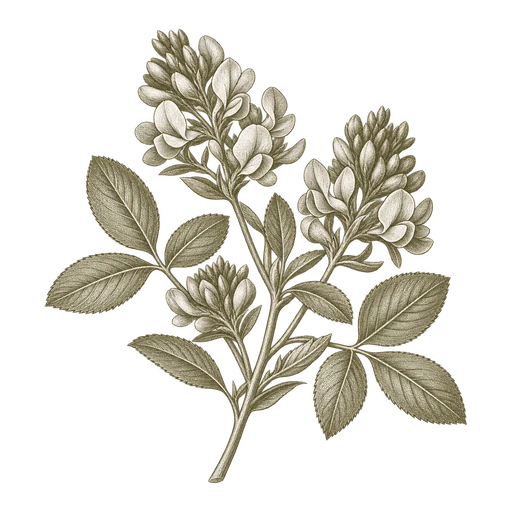
Alfalfa is a forage legume sourced as hay, silage, meal or pellets for livestock feed. Match the form to receiving and ration needs, then compare a lot-specific analysis on a consistent basis.
Explore ingredientCottonseed hull pellets contribute high-fiber, low-energy roughage to cattle rations. Their role depends on the animal class, ration objective, complete-diet balance and analysis of the offered lot.
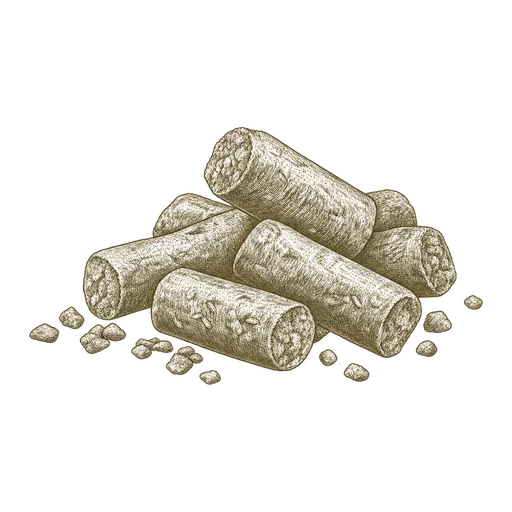
Cottonseed hull pellets are a pelleted cotton co-product used in cattle rations for their high-fiber, low-energy roughage contribution. Their role is to supply fibrous material, not to serve as the ration’s primary protein supplement or as a complete feed. Treating them as roughage helps keep the formulation question clear: what job should the fiber do in this particular diet?
That distinction matters when comparing ingredients or balancing a ration. A feed that contributes roughage does not automatically meet the animal’s protein, energy, mineral or other nutrient needs. Nor does the word “pellets” mean the product is a complete, ready-to-feed diet. The whole ration—not the ingredient name alone—determines whether the animal’s requirements are addressed.
The right role for cottonseed hull pellets depends first on the cattle class and feeding situation. An animal’s production stage, current diet and nutritional needs affect how much roughage is appropriate and what else the ration must supply. A recommendation for one group of cattle should not be carried over automatically to another.
Next, define the ration objective. A nutritionist may be assessing how to provide fibrous roughage, how the ingredient fits alongside other forage or feeds, or how to balance the complete diet. Those are different questions, and each depends on the existing ration. There is no single inclusion percentage that can be treated as universal for all cattle and diets; any proposed feeding rate should be evaluated for the specific animals and formulation.
Before assigning a place to cottonseed hull pellets, a cattle nutritionist should review the other ingredients and the intended nutrient balance. Because the pellets function as roughage rather than a protein supplement or complete feed, other ration components may be needed to supply nutrients the hulls do not provide in the required amounts. The required balance is specific to the animals and the feeding objective.
This also helps prevent a common formulation mistake: judging an ingredient by a single characteristic and assuming that characteristic defines its overall feeding value. Fiber can be useful to the ration, but the formulation still needs to account for energy, protein and the other relevant nutrients. The ingredient’s contribution should be considered alongside—not instead of—the analysis of the full diet.
The name of the product describes its basic identity, but it does not provide a complete nutrient profile for a specific offered lot. Ask for the available analysis and have the nutritionist evaluate the measures relevant to the planned ration. The analysis can help compare the offered material with the values used in the formulation and determine whether the ration needs adjustment.
A useful review connects the lot analysis to the intended use: which characteristics affect the roughage role, which nutrient values affect the overall balance, and whether the analysis represents the material being considered for purchase. If feeding guidance depends on a particular assumption about the ingredient, make sure that assumption is checked against the offered lot rather than treated as a fixed value for every supply.
A clear sourcing specification follows from the nutrition decision. Identify the cattle class, the intended roughage role and the quality measures the nutritionist needs to evaluate. Then compare the offered lot analysis with those requirements. Keep the product’s function distinct from its physical form: pellets describe how the material is presented, while the ration analysis determines how it contributes nutritionally.
Once the ration role is defined, visit the [cottonseed hull pellets sourcing page](/ingredients/cottonseed-hull-pellets) to review the ingredient and pursue a suitable offer. For a quote, provide the required form, quantity, destination and timing, along with any analysis requirements. Commercial terms and the analysis available for a particular offer need to be established for that transaction.
No. Their supported role is high-fiber, low-energy roughage. They should not be treated as a substitute for a protein supplement or as a complete feed; the whole ration must supply the nutrients required by the cattle.
There is no universal inclusion percentage. The appropriate amount depends on the animal class, the ration objective, the rest of the diet and the offered lot analysis. Have a cattle nutritionist evaluate the specific formulation before setting a feeding rate.
Review the cattle’s class and nutritional needs, the reason roughage is being added, the balance of the complete diet and the analysis for the offered lot. These factors help determine how the pellets fit and what other ration components may be needed.
Focused guides to the specification, application, and delivery questions behind this ingredient.
Plan bulk cottonseed hull pellet deliveries around order quantity, destination, site equipment, packaging, and storage. Pellet density, flow, durability, and storage advantages are product-specific details to verify before receiving.
Read this InsightA practical framework for comparing cottonseed hull pellet feed analyses, aligning reporting bases and separating general loose-hull references from lot-specific figures.
Read this InsightAlfalfa is a forage legume sourced as hay, silage, meal or pellets for livestock feed. Match the form to receiving and ration needs, then compare a lot-specific analysis on a consistent basis.
Explore ingredientAlfalfa meal is ground forage used in animal feed, with sun-cured and dehydrated processing routes and meal or pellet forms. Compare the offered process, physical form and analysis against the needs of the species and feed formulation.
Explore ingredientAlfalfa pellets are ground, compressed forage used in livestock feeding and compound feeds. Compare the drying process, alfalfa material, forage analysis and pellet characteristics to choose a form that fits your ration and receiving setup.
Explore ingredientBeet pulp pellets are a dried, compacted sugar beet co-product used as a fibrous, energy-bearing ingredient in livestock feed. Compare molasses status, lot analysis and pellet handling needs to match the product to your ration and receiving setup.
Explore ingredient