Grains
Alfalfa
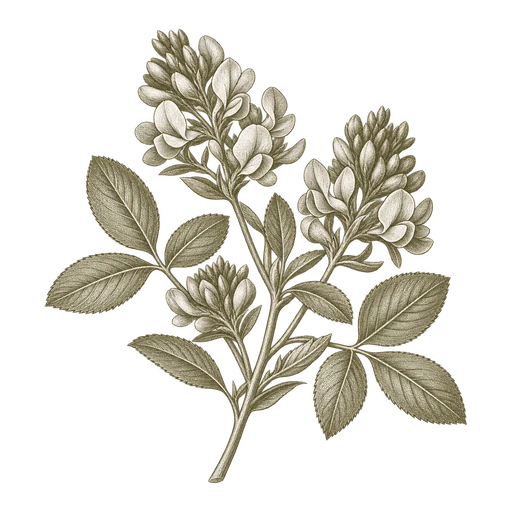
Alfalfa is a forage legume sourced as hay, silage, meal or pellets for livestock feed. Match the form to receiving and ration needs, then compare a lot-specific analysis on a consistent basis.
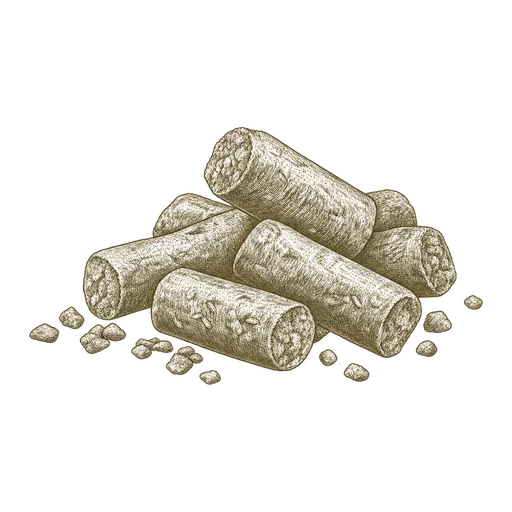
Explore ingredientA practical guide to comparing peanut hull pellet analyses: align moisture basis, units and nutrient definitions before comparing values, and evaluate energy figures and pellet condition in context.
A nutrient value is only comparable when you know what it is measured against. Peanut hull pellets can be reported on an as-fed basis, which includes the moisture present in the sample, or on a dry-matter basis, which removes moisture from the comparison. Two lots with similar nutrient content in their dry matter can look different on an as-fed report if their moisture differs.
For every figure, record the unit and basis shown on the analysis. If one report gives a percentage as fed and another gives a dry-matter percentage, do not compare them directly. Ask for the underlying moisture result or a report recalculated to the same basis. Consistent units matter too: a percentage and a mass-per-unit figure are not interchangeable without conversion.
Moisture helps explain the as-fed values and is relevant to handling and storage. Protein is one part of the nutritional profile, but it should not stand in for the full analysis. For peanut hull pellets, fiber measures are especially important to interpret because hull material is fibrous; a stated fiber result helps distinguish the reported composition, but its exact meaning depends on the analytical measure used.
Check whether the report names the specific fiber measure rather than simply listing “fiber.” Different measures describe different portions or properties of the material, so labels such as crude fiber and detergent-fiber fractions should not be treated as synonymous. Compare the same measure, units and basis across reports. If a value is central to a ration decision, have the nutrition professional evaluating the feed interpret it in context.
Energy figures are particularly easy to misread. A published value for peanut hulls might refer to digestible, metabolizable or net energy, or use another stated energy system. These terms describe different measures; they are not interchangeable labels for a single number. Values can also be developed for different animal classes or uses, so a figure without its method and intended context is difficult to apply.
Before comparing energy values, identify the named energy measure, units, analytical or calculation method, and the animal or use context. Do not average or combine figures until those definitions align. If a supplier analysis does not include an energy value, do not infer one from an unrelated published figure; request the basis behind any value used in a formulation.
Mineral results need the same care as other nutrients: compare named minerals in matching units and on the same basis. A total mineral result, an individual mineral concentration and a calculated balance answer different questions. The intended ration determines which mineral values matter, so compare the relevant results rather than treating one number as a complete mineral profile.
Analysis alone does not describe how pellets will behave in a receiving or mixing system. Ask for the lot’s physical description, including pellet dimensions if specified, fines content and any measure or description of pellet durability. These characteristics can affect conveying, handling and the amount of loose material delivered, but they cannot be inferred from nutrient values or from the word “pellets.”
Put competing analyses side by side with columns for the reported value, unit, analytical basis, method or named measure, and sample or lot identification. Include moisture, protein, the specific fiber measures reported, relevant minerals and any energy value with its definition. Note whether results are laboratory measurements or calculated figures where that information is supplied.
For a useful comparison, request the analysis tied to the lot being offered and clarify any missing definitions before using the figures to formulate or price the ingredient. Separately capture pellet characteristics that matter to your equipment and receiving process. Once those requirements are clear, visit the [peanut hull pellets](/ingredients/peanut-hull-pellets) page to pursue sourcing with a specification that supports a meaningful comparison.
Reports may use different moisture bases, units, laboratory methods or named nutrient measures. Confirm those details—and whether the analysis applies to the same lot—before treating values as comparable.
Only when the energy system, units, method and intended animal or use context match. Digestible, metabolizable and net energy are distinct measures, so their values should not be combined as though they were equivalent.
Ask for a lot-specific analysis and the reported basis for each result. Also clarify physical characteristics that affect your equipment, such as pellet dimensions, fines and durability, when those measures are available.
Focused guides to the specification, application, and delivery questions behind this ingredient.
Plan a peanut hull pellet order around your site’s quantity, timing, unloading equipment and storage conditions. Knowing which lot-specific details to request helps prevent receiving and material-flow surprises.
Read this InsightPeanut hull pellets supply processed fiber, but their compact form is not equivalent to long-stem hay. Understand the physical-fiber distinction and discuss the pellets’ role in the full cattle ration with a ruminant nutritionist.
Read this InsightAlfalfa is a forage legume sourced as hay, silage, meal or pellets for livestock feed. Match the form to receiving and ration needs, then compare a lot-specific analysis on a consistent basis.
Explore ingredientAlfalfa meal is ground forage used in animal feed, with sun-cured and dehydrated processing routes and meal or pellet forms. Compare the offered process, physical form and analysis against the needs of the species and feed formulation.
Explore ingredientAlfalfa pellets are ground, compressed forage used in livestock feeding and compound feeds. Compare the drying process, alfalfa material, forage analysis and pellet characteristics to choose a form that fits your ration and receiving setup.
Explore ingredientAlmond hulls are the dried outer layer of the almond fruit, sourced for ruminant feed as hull-only material or as a hull-and-shell mixture. Compare the lot’s composition, physical form, and handling needs before arranging a bulk shipment.
Explore ingredient