Independent sourcing. Better connections.Commercial buyers · Bulk ingredients
topic

Beef cattle feed

A buyer-focused overview of Peanut Hull Pellets and Wheat Midds for beef cattle feed, with guidance on their different ration roles, product variation and bulk handling.

2 ingredients6 published Insights
EXPLORE THE COLLECTION

Beef cattle feed ingredients

Feed Ingredients

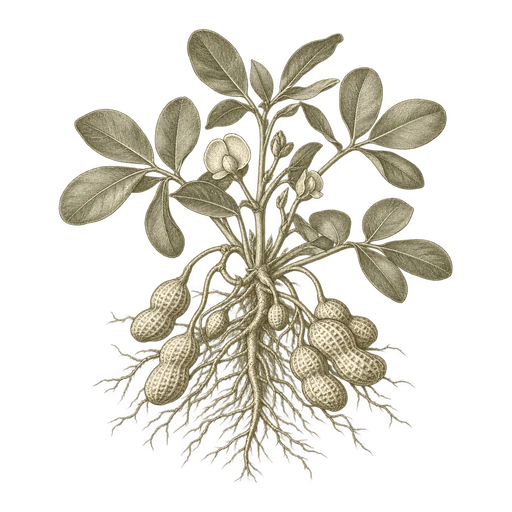
Peanut Hull Pellets

Peanut hull pellets are a processed peanut-shell by-product used as high-fiber roughage in beef cattle rations. Compare lot analysis and pellet characteristics, since processing changes effective fiber and the right role depends on the complete ration.

Explore ingredient
Feed Ingredients

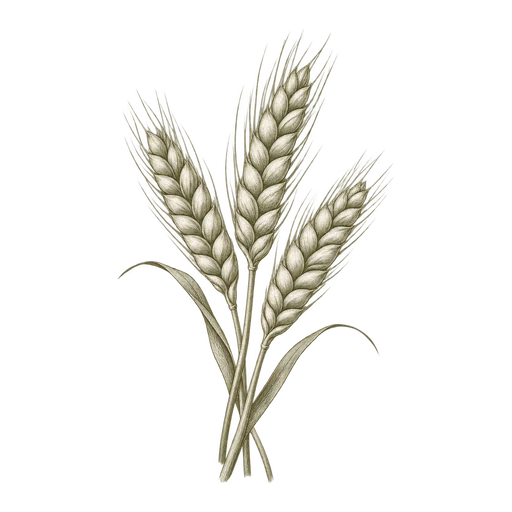
Wheat Midds

Wheat middlings are a variable wheat-milling co-product used in animal feed as meal or pellets. Compare the offered form and lot analysis with the target species’ ration and the facility’s storage and handling capacity.

Explore ingredient

Two by-products, different roles

This collection brings together Peanut Hull Pellets and Wheat Midds, two processing co-products used in beef cattle diets. They are not interchangeable: peanut hulls are primarily a fiber and roughage ingredient, while wheat midds can contribute more energy and protein. Neither ingredient is a complete ration, and its role depends on the rest of the diet.

Peanut hull pellets are made from peanut shells and are relatively low in protein and energy compared with more nutrient-dense feedstuffs. Wheat midds come from wheat milling; the name can cover different mixtures of mill by-products, so it does not always identify one uniform material.

Match the ingredient to the ration

For a ration short on roughage, peanut hull pellets may be considered as a fiber source, but they should not automatically be treated as a one-for-one hay replacement. Processing can reduce their effective fiber value. Wheat midds may suit a different need when both energy and protein contribution matter; a feed analysis and the cattle’s production stage help clarify that role.

Compare offered-lot nutrient values on the same basis, especially dry matter and energy, and review protein and fiber alongside them. Published reference values can differ, particularly for variable milling co-products, so an ingredient name alone is not enough to calculate its contribution.

Check form and bulk handling

Confirm whether wheat midds are offered as meal, pellets or a blend, and check the material’s moisture basis and current analysis. Pelleted wheat midds can absorb moisture, soften and break apart; storage conditions matter, particularly in hot, humid weather. For peanut hull pellets, consider processing and pellet condition as well as the feed analysis when assessing roughage value.

Common questions.

Can peanut hull pellets replace hay in a beef ration?+

They can serve as a roughage source, but should not be assumed to replace hay one-for-one. Their nutrient density and effective fiber depend on the product and processing, so assess them as part of the complete ration.

Are wheat midds primarily an energy feed or a protein feed?+

They can contribute both energy and protein. Their practical role depends on the offered material’s analysis and the needs of the cattle and existing ration.

Why can wheat midds have different nutrient values?+

Wheat milling co-products can vary in composition, and names such as midds, millfeed and wheat mill run may refer to mixtures. Check the offered product description and lot analysis rather than relying on the name alone.

What should buyers check when purchasing these ingredients in bulk?+

Review the current lot analysis, including moisture basis, nutrient values and fiber; confirm the exact product form and processing; and consider storage conditions. For pelleted wheat midds, moisture exposure can affect material condition.

Beef cattle feed · BUYER INSIGHTS

Go deeper before you source.

Focused guides to the specification, application, and delivery questions behind this ingredient.

FIELD GUIDE01Beef cattle feed
Buyer’s guide

Planning bulk wheat middlings receiving and storage

Plan bulk wheat middlings receiving around the product’s physical form, available storage capacity and unloading setup. Keep meal and pellets dry and protected from mold, with extra attention to pellets in hot, humid conditions.

Read this Insight
FIELD GUIDE02Beef cattle feed
Buyer’s guide

Wheat middlings in swine and beef cattle rations

Wheat middlings can contribute fiber and bulk to gestating-sow diets and energy, protein and fiber to beef cattle rations. Their role depends on species, ration design and the actual lot analysis.

Read this Insight
FIELD GUIDE03Beef cattle feed
Buyer’s guide

How to compare wheat middlings analysis and milling fractions

Wheat middlings can vary with the milling fractions included. Compare clear ingredient identities and current lot analyses on the same moisture basis before using values to guide feed formulation or a bulk sourcing decision.

Read this Insight
FIELD GUIDE04Beef cattle feed
Buyer’s guide

Planning receiving and storage for bulk peanut hull pellets

Plan a peanut hull pellet order around your site’s quantity, timing, unloading equipment and storage conditions. Knowing which lot-specific details to request helps prevent receiving and material-flow surprises.

Read this Insight
FIELD GUIDE05Beef cattle feed
Buyer’s guide

Peanut hull pellets in cattle rations: the effective-fiber question

Peanut hull pellets supply processed fiber, but their compact form is not equivalent to long-stem hay. Understand the physical-fiber distinction and discuss the pellets’ role in the full cattle ration with a ruminant nutritionist.

Read this Insight
FIELD GUIDE06Beef cattle feed
Buyer’s guide

How to compare peanut hull pellets by analysis and basis

A practical guide to comparing peanut hull pellet analyses: align moisture basis, units and nutrient definitions before comparing values, and evaluate energy figures and pellet condition in context.

Read this Insight