
How to compare herring fish meal specifications
Compare herring fish meal analyses on a consistent basis, understand what each result measures, and match additional tests to the formulation and quality requirements.
Read the guidePractical guides to ingredients, specifications, and the questions worth asking before you buy.
Better ingredients.
Better questions.
Stronger connections.
Compare herring fish meal analyses on a consistent basis, understand what each result measures, and match additional tests to the formulation and quality requirements.
Read the guideWhole black-oil sunflower seed and sunflower meal contribute different nutrient balances to a feed formula. Learn what distinguishes the forms and which analysis helps a nutritionist evaluate the complete ration.
Read the guideCompare pea starch specifications by connecting composition and powder characteristics with gelatinization and pasting results—and by checking the methods and conditions behind every value.
Read the guideSesame meal’s role in a feed depends on its analyzed composition, processing history and the animal’s requirements. Learn why lysine balance matters and what a formulator needs beyond a general meal description.
Read the guide
Compare hazelnut kernels using clearly defined moisture, size, defect, processing and microbiological requirements—not a grade name alone.
Read the guide
Plan bulk yellow pea receipt around the form, unloading method and capacity of your facility. Assess incoming moisture and protect stored peas from water and contamination; drying and storage decisions depend on grain condition and local conditions.
Read the guide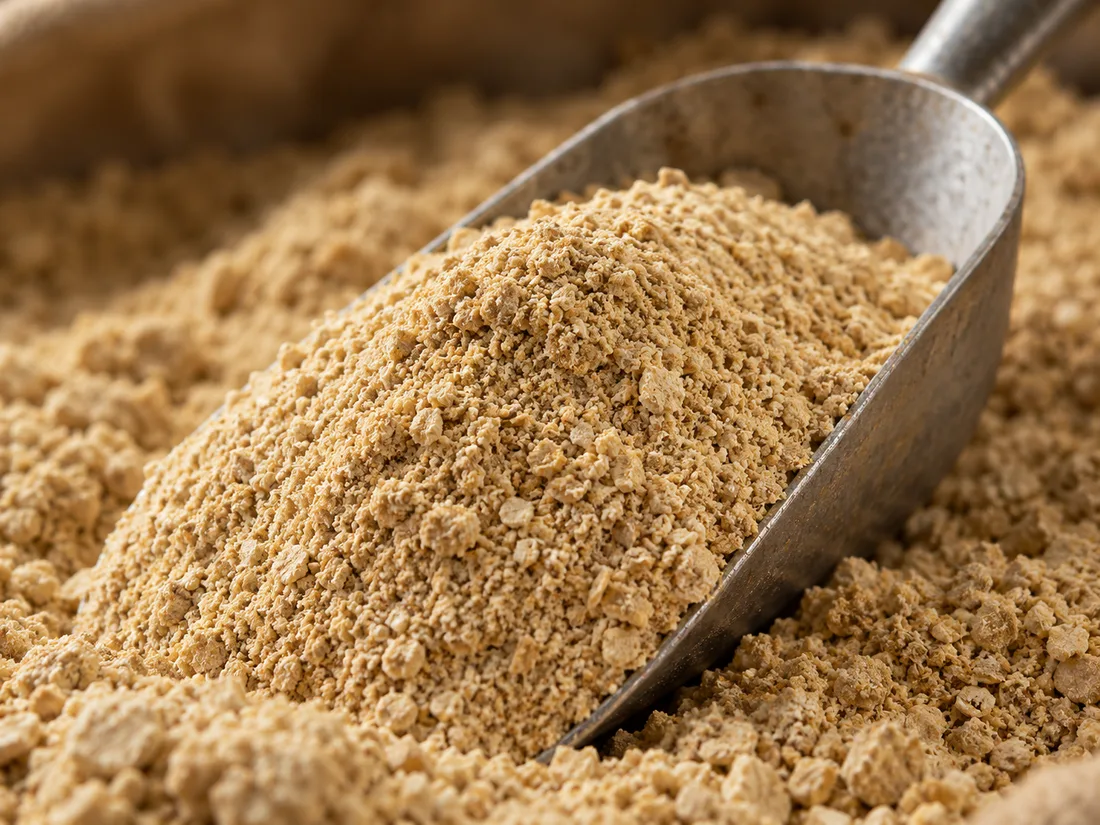
Soybean meal protein percentages reported as-fed and on a dry-matter basis cannot be compared directly. Align moisture, reporting basis, method information, and the context of each COA before evaluating supplier values.
Read the guideCompare cashew pieces by the grading standard and measurement method behind the size name. Clarify piece categories, sieve basis, fines, moisture, defects and test methods before evaluating bulk offers.
Read the guideCompare cashew kernel forms and grade terminology by defining the required size, condition, moisture and testing basis—then tie the agreed specification to the offered lot.
Read the guideA practical guide to assessing peanut meal in cattle rations, from the offered analysis and protein value to amino-acid balance, digestibility and the important distinction from whole cull peanuts.
Read the guideWheat middlings can contribute fiber and bulk to gestating-sow diets and energy, protein and fiber to beef cattle rations. Their role depends on species, ration design and the actual lot analysis.
Read the guidePlan a bulk corn order around the form your facility can receive, the shipment’s lot condition and the time the grain will remain in storage. Clear details on quantity, destination, timing and unloading help align the order with your operation.
Read the guideExplore ingredient specifications or share your volume, delivery needs, and buying requirements.