Grains
Alfalfa
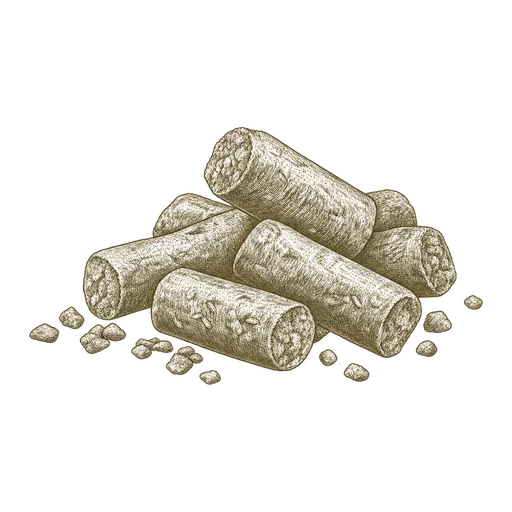
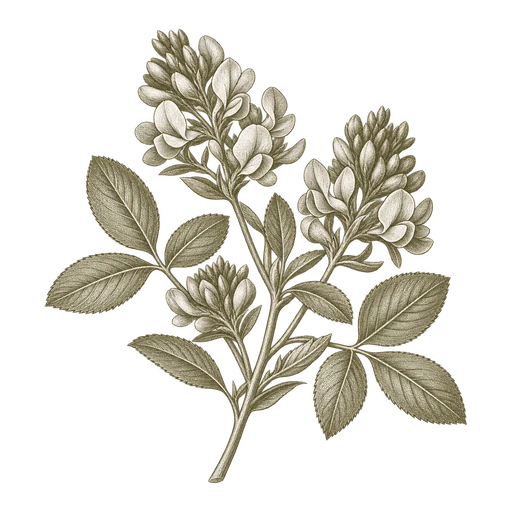
Alfalfa is a forage legume sourced as hay, silage, meal or pellets for livestock feed. Match the form to receiving and ration needs, then compare a lot-specific analysis on a consistent basis.
Explore ingredientA practical guide to evaluating sunflower meal for poultry and swine formulations, with attention to fiber, lysine, processing and lot-specific analysis.
Sunflower meal is an oilseed-processing co-product used as a protein ingredient in animal diets. For poultry and swine, two evaluation questions are especially important: how its fiber content fits the diet’s energy and fiber balance, and how its amino acid profile—particularly lysine—fits the animal’s nutrient requirements.
These factors are connected. Hull content and processing affect the composition of a meal, so the ingredient’s crude protein value alone does not show how it will function in a complete ration. Formulators need the actual lot analysis and should assess the ingredient in the context of the whole diet, not as a one-for-one substitute for another protein meal.
Sunflower meal can contain substantial fiber, with the amount influenced in part by how much hull material remains in the product. Fiber contributes to the ingredient’s composition but does not provide the same energy contribution as more digestible nutrients. A higher-fiber meal can therefore change the diet’s energy density and the balance among ingredients.
That tradeoff matters in both poultry and swine formulation, but the right interpretation depends on the species, production stage, complete ration and the meal’s measured composition. Ask for the lot’s fiber analysis and find out which measures are reported; crude fiber and other fiber measures are not interchangeable. Avoid judging a product by a generic sunflower-meal value when the offer is tied to a specific lot.
The question for the nutritionist is not simply whether fiber is high or low. It is whether the analyzed meal can fit the intended diet while maintaining its targeted energy and nutrient balance. If hull content is reported, use it as additional context for interpreting the analysis rather than as a substitute for the nutrient values.
Sunflower meal provides protein, but its lysine contribution deserves particular scrutiny when balancing diets for poultry or swine. Crude protein does not indicate how much lysine the ingredient supplies, nor does it establish how much of that amino acid is available to the animal. Compare the amino acid analysis with the formulation’s requirements, using the digestibility or availability basis your nutritionist applies.
Processing is another part of the evaluation. Heat treatment can affect protein quality and amino acid availability, so a protein percentage by itself cannot describe the full nutritional value of a meal. Ask what processing information and amino acid data are available for the offered lot. The nutritionist can then determine whether the ingredient’s lysine contribution and the rest of its amino acid profile can be balanced in the complete diet.
If the formulation uses supplemental amino acids or other protein ingredients, evaluate sunflower meal alongside those components. The relevant comparison is the nutrient contribution and resulting balance of the finished ration—not a standalone ranking based on crude protein.
Poultry and swine diets have different formulation constraints, and requirements also vary with the animals’ stage and production goals. A result from one species, age group or ration should not be carried over automatically to another. Have a qualified nutritionist review the intended use, the complete diet and the actual ingredient analysis before deciding how sunflower meal fits.
Useful questions include: Which fiber values and amino acid measures are needed for this formulation? Does the lot’s lysine value use a basis that can be compared with the nutritionist’s requirements? What processing information could affect protein quality? How will the meal change the diet’s energy balance and the contribution required from other ingredients? These questions support a formulation decision without assuming a universal inclusion level or performance outcome.
For a meaningful review, gather the product identity, lot-specific analysis, available processing details and the intended species and production stage. Include the complete diet or the other major ingredients being considered, so the nutritionist can assess nutrient balance rather than an isolated ingredient figure. Any required analytical methods or nutrient reporting basis should be agreed before comparing offers.
Once those characteristics are defined, visit the [Sunflower Meal sourcing page](/ingredients/sunflower-meal) to explore sourcing options. For a bulk inquiry, provide the required product form, quantity and unit, destination, receiving method and timing; exact lot details and commercial terms depend on the specific offer.
Crude protein does not show the meal’s lysine contribution, amino acid availability or fiber level. Review the actual lot analysis and processing information in the context of the complete poultry or swine diet.
Fiber contributes to the ingredient’s composition and can affect the energy balance of a ration. Its significance depends on the analyzed meal, species, production stage and other ingredients, so a nutritionist should evaluate it within the complete formulation.
Not based on crude protein alone. Fiber, lysine and other amino acid contributions differ among ingredients and lots. A qualified nutritionist should rebalance the complete diet using the actual analysis rather than assume a direct, equal-rate substitution.
Focused guides to the specification, application, and delivery questions behind this ingredient.
Plan bulk sunflower meal receipt around the offered form, the facility’s unloading and conveying equipment, and a clean, dry storage destination. Include the delivery location and receiving constraints in your sourcing request.
Read this InsightCompare sunflower meal lots by reading protein, fiber, residual oil and moisture together. Hull content and as-fed versus dry-matter reporting can change how those results should be interpreted.
Read this InsightAlfalfa is a forage legume sourced as hay, silage, meal or pellets for livestock feed. Match the form to receiving and ration needs, then compare a lot-specific analysis on a consistent basis.
Explore ingredientAlfalfa meal is ground forage used in animal feed, with sun-cured and dehydrated processing routes and meal or pellet forms. Compare the offered process, physical form and analysis against the needs of the species and feed formulation.
Explore ingredientAlfalfa pellets are ground, compressed forage used in livestock feeding and compound feeds. Compare the drying process, alfalfa material, forage analysis and pellet characteristics to choose a form that fits your ration and receiving setup.
Explore ingredientAlmond hulls are the dried outer layer of the almond fruit, sourced for ruminant feed as hull-only material or as a hull-and-shell mixture. Compare the lot’s composition, physical form, and handling needs before arranging a bulk shipment.
Explore ingredient