Grains
Alfalfa
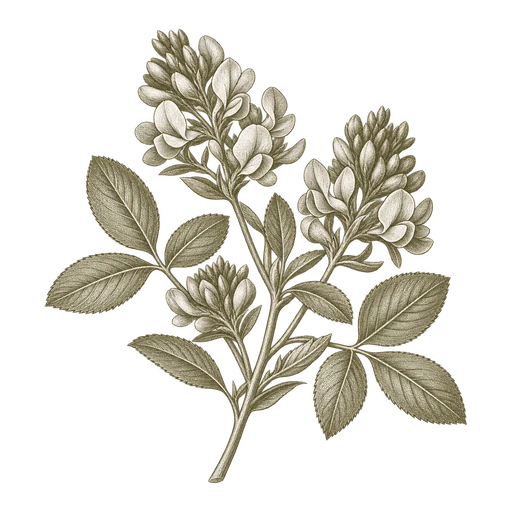
Alfalfa is a forage legume sourced as hay, silage, meal or pellets for livestock feed. Match the form to receiving and ration needs, then compare a lot-specific analysis on a consistent basis.
Explore ingredientPlan a peanut hull pellet order around your site’s quantity, timing, unloading equipment and storage conditions. Knowing which lot-specific details to request helps prevent receiving and material-flow surprises.
A smooth delivery starts with the details your site needs to receive peanut hull pellets safely and efficiently. Specify the quantity and unit you want quoted, the delivery destination, and the timing your operation can accommodate. Also describe how your facility unloads and where the material will go after unloading. These details help align the proposed order with your actual receiving capacity rather than assuming a particular delivery setup.
Describe any limits that affect access or scheduling, such as receiving hours, appointment requirements, site access constraints or the time available to unload. If you use a receiving bin or other dedicated equipment, share its relevant capacity and connection requirements. The broker can then determine whether the proposed shipment arrangement is compatible with the information provided.
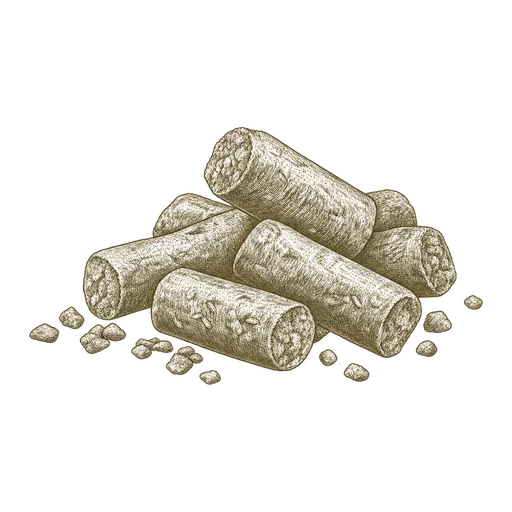
Peanut hull pellets are a processed, compacted form of peanut hulls. Their pellet form differs from loose hull material, but pellets can still vary in dimensions and in the amount of fines—the smaller particles created or separated during handling. Those characteristics matter when material must move through a receiving system, be transferred into storage, or feed into downstream equipment.
Before an order is finalized, describe your unloading method and any restrictions on packaging or material flow. Ask for the offered packaging and unloading arrangement, rather than assuming bulk or packaged options are available. Where pellet dimensions or fines affect your equipment, request the relevant lot-specific details and compare them with your facility’s operating requirements. A mismatch can slow unloading, increase the need for handling, or interfere with consistent transfer.
Peanut hull pellets are a dry plant-based material, so keeping them protected from moisture is central to receiving and storage. Water exposure can compromise the condition of stored feed ingredients and make material more difficult to handle. Plan to unload into a clean, dry area and protect the product from rain, leaks, damp surfaces and condensation. Do not infer a storage limit or shelf life from the pellet form; use the supplier’s lot-specific handling information for those details.
Protecting the product from contamination is equally practical. Keep storage and transfer equipment clean, and prevent contact with unrelated materials, debris, pests or residues from previous loads. Use a receiving and storage area appropriate for feed ingredients, and follow your facility’s inspection and housekeeping procedures. If the pellets arrive with unexpected wetness, damage or foreign material, document the condition promptly and follow the agreed receiving process.
Confirm that the intended storage space is available, dry and ready before scheduling a delivery. Consider how the material will move from the unloading point into storage and later to its point of use. If your operation relies on a bin, conveyor or other transfer equipment, assess the path for potential bottlenecks and make sure staff know the receiving sequence.
Ask which lot-specific characteristics are relevant to your equipment, including pellet dimensions and fines where these could affect flow or transfer. Keep the product identified by lot as it enters storage so receiving records, inspection notes and any quality documentation remain associated with the material. Storage conditions and handling instructions should be established from the actual offer, not assumed from a general description of peanut hull pellets.
A useful request identifies the product as peanut hull pellets and states the quantity and unit, destination, requested timing, packaging needs and receiving method. Add site access or scheduling constraints and any relevant unloading equipment details. If pellet dimensions, fines or moisture information matter to your process, say what you need to evaluate and ask for the applicable lot-specific information.
Delivered pricing depends on the order and destination details, as well as the shipment and receiving arrangement being quoted. Packaging, freight terms and timing are supplier-dependent and should be confirmed for the specific offer. For a sourcing request, start with the [Peanut Hull Pellets page](/ingredients/peanut-hull-pellets) and include the receiving details that will determine whether the proposed order works at your facility.
State the quantity and unit, destination, requested timing, packaging needs and how your facility unloads the material. Include access or scheduling limits and any equipment requirements that could affect receiving.
Yes, when those characteristics could affect your unloading, transfer or storage equipment. Request the relevant details for the offered lot and compare them with your site’s requirements; do not assume pellet dimensions or fines content from the product name alone.
Keep them in a clean, dry, protected area and limit exposure to rain, leaks, damp surfaces and contamination. Follow the handling information for the specific lot for any more precise storage directions.
Focused guides to the specification, application, and delivery questions behind this ingredient.
Peanut hull pellets supply processed fiber, but their compact form is not equivalent to long-stem hay. Understand the physical-fiber distinction and discuss the pellets’ role in the full cattle ration with a ruminant nutritionist.
Read this InsightA practical guide to comparing peanut hull pellet analyses: align moisture basis, units and nutrient definitions before comparing values, and evaluate energy figures and pellet condition in context.
Read this InsightAlfalfa is a forage legume sourced as hay, silage, meal or pellets for livestock feed. Match the form to receiving and ration needs, then compare a lot-specific analysis on a consistent basis.
Explore ingredientAlfalfa meal is ground forage used in animal feed, with sun-cured and dehydrated processing routes and meal or pellet forms. Compare the offered process, physical form and analysis against the needs of the species and feed formulation.
Explore ingredientAlfalfa pellets are ground, compressed forage used in livestock feeding and compound feeds. Compare the drying process, alfalfa material, forage analysis and pellet characteristics to choose a form that fits your ration and receiving setup.
Explore ingredientAlmond hulls are the dried outer layer of the almond fruit, sourced for ruminant feed as hull-only material or as a hull-and-shell mixture. Compare the lot’s composition, physical form, and handling needs before arranging a bulk shipment.
Explore ingredient