Grains
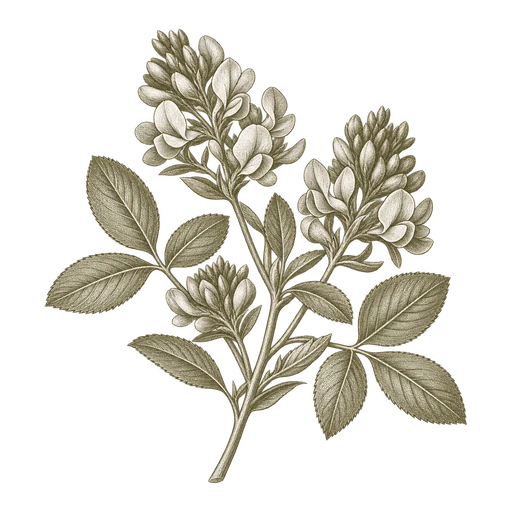
Alfalfa
Alfalfa is a forage legume sourced as hay, silage, meal or pellets for livestock feed. Match the form to receiving and ration needs, then compare a lot-specific analysis on a consistent basis.
Explore ingredientPrepare destination, unloading and storage details before arranging a ground corn order. A clean, dry bin, pest protection and attention to old or wet residues—especially near auger intakes—help make receiving and handling more manageable.
Before arranging a bulk ground corn order, identify where it will be delivered, how it can be unloaded and what packaging your facility can receive. Ground corn is a milled ingredient, so its handling needs may differ from those for whole grain. Do not assume that a particular shipment or packaging method is standard; the offered arrangement needs to match your site.
Prepare the delivery address, the quantity and unit you need, and the dates your facility can receive it. Then describe the unloading equipment and any site constraints that could affect delivery, such as access, operating hours or limits on where material can be discharged. These details help establish whether the proposed arrangement is workable before an order is scheduled.
Tell the broker how your operation handles incoming ingredients. If you receive material into a bin, explain the receiving connection and available capacity. If your process depends on packaged material, state the packaging format your staff and equipment can manage. The precise options depend on the offer, so verify packaging and delivery details rather than assuming loose bulk, bags or another format will be available.
Consider the entire path from the delivery point to storage: unloading, transfer equipment and the bin or storage area. A mismatch at any stage can delay receiving or require handling your site is not set up to perform. Share any equipment limitations and receiving instructions with the broker before finalizing the arrangement.
Ground corn should be kept in clean, dry storage and protected from pests. Before new material arrives, remove old residues from the bin and inspect the area where the ingredient will be stored. Leftover material can complicate handling of a new delivery, while pests and moisture can compromise stored feed ingredients.
Pay particular attention to areas around auger intakes. Wet material that remains near an intake can create a problem at the point where material is drawn into conveying equipment. Check these areas during preparation and routine handling, and address residues or damp material rather than allowing them to remain beneath fresh product.
Storage planning should account for the condition of the bin, protection from moisture and pests, and how the ingredient moves through your system. Keep the storage area dry and clean, and consider whether residues are accumulating in low points or near conveying equipment. These practical checks matter whether ground corn arrives in bulk handling or in packaging your facility transfers to storage.
Do not rely on a general shelf-life assumption to set your storage plan. The appropriate period depends on the product and conditions, and no fixed duration should be presumed from the ingredient name alone. Ask what product-specific storage guidance accompanies the offer and align it with your facility’s conditions and inventory turnover.
A useful request for Ground Corn combines the desired quantity and unit with the destination, receiving dates, packaging preference and unloading method. Include bin capacity or other receiving constraints where relevant, and describe your storage setup if it affects which arrangement you can accept. This gives the broker concrete information to use when discussing an offer.
Before agreeing to the order, compare the proposed delivery and packaging details with your site’s capabilities, and make sure your bin is clean and dry with particular attention to old residues near auger intakes. For product details and a sourcing request that includes receiving needs, visit the Ground Corn page.
Provide the destination, required quantity and unit, preferred receiving dates, packaging needs, unloading method and any site or bin-capacity constraints. These details help determine whether the proposed delivery arrangement fits your facility.
No. Packaging and delivery arrangements depend on the offer. State how your facility receives and transfers ingredients, then verify the offered format and unloading requirements before finalizing an order.
Use a clean, dry storage area protected from pests. Remove old residues and pay special attention to damp material near auger intakes. Confirm any product-specific storage guidance for the offered ingredient rather than assuming a fixed shelf life.
Focused guides to the specification, application, and delivery questions behind this ingredient.
Ground corn contributes energy to swine rations, but its protein and mineral profile must be evaluated within the complete formula. Amino-acid balance, calcium, phosphorus, particle size and lot analysis all inform the nutritionist’s decision.
Read this InsightSpecify ground corn by its measured particle-size distribution and test method—not simply as fine or coarse. Match the requirement to the feed process and verify the offered target and analysis basis for the specific product.
Read this InsightAlfalfa is a forage legume sourced as hay, silage, meal or pellets for livestock feed. Match the form to receiving and ration needs, then compare a lot-specific analysis on a consistent basis.
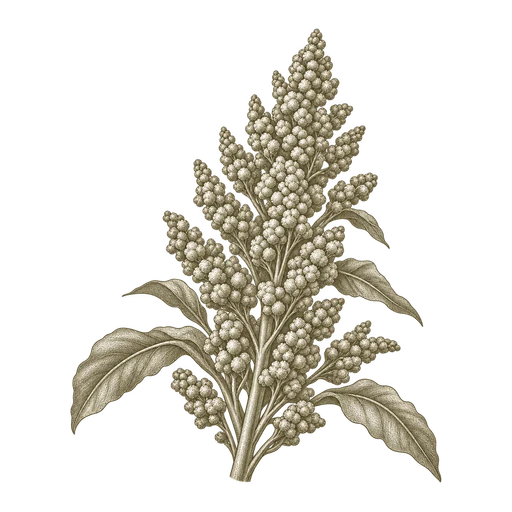
Explore ingredientAmaranth can be sourced as grain, leaf meal or whole-plant forage, and those forms are not interchangeable in feed formulation. Specify the plant material, species and processing method, then compare lot analysis suited to the intended animal and use.
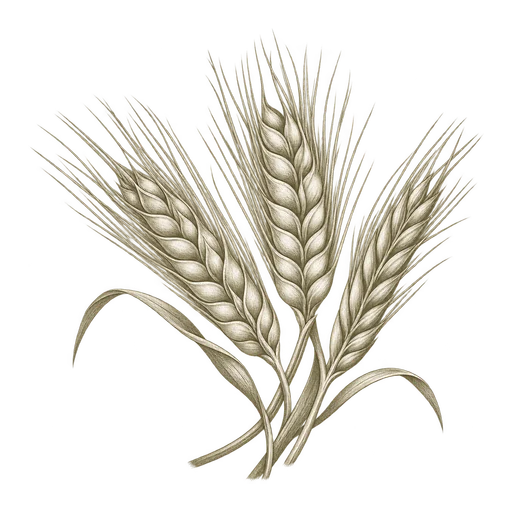
Explore ingredientBarley is a cereal grain used in cattle feed, malting, food and industrial processing. Whole and processed forms serve different needs; identify the intended use, processing state and receiving requirements when sourcing a bulk order.
Explore ingredientBrewers rice is a broken-rice milling fraction used in brewing, fermented products and animal feed. Compare broken, granulated or ground forms and review lot-specific physical and analytical details before sourcing in bulk.
Explore ingredient