Oil content distinguishes the forms
Full-fat germ retains oil, while defatted germ is produced after oil extraction. Because this changes composition, the form affects how the ingredient is evaluated in a food or feed formulation.
Ingredient intelligence · quote-ready sourcing
Wheat germ is a wheat-milling co-product used in food formulations and feed. Compare full-fat and defatted forms, processing history, and freshness measures to identify the material that fits your formulation and handling needs.
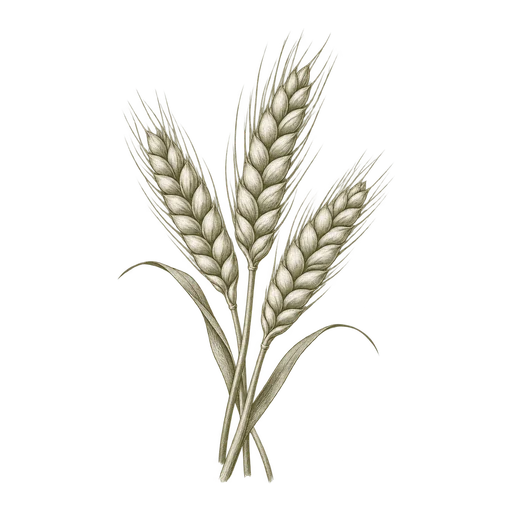
Wheat germ is the embryo portion of the wheat kernel separated during milling from the endosperm and bran. Separation method and attached kernel material can influence composition, so the ingredient name alone does not define a uniform analysis.
Commercially meaningful distinctions include full-fat versus defatted material and raw versus heat-treated germ. Oil extraction changes the product, while heat treatment is not a single standardized stabilization process. Use the specific product description and analysis when comparing offers.
Full-fat germ retains oil, while defatted germ is produced after oil extraction. Because this changes composition, the form affects how the ingredient is evaluated in a food or feed formulation.
Heat treatments can reduce enzyme activity associated with deterioration, but the term “stabilized” does not identify a uniform process. Treatment details and processing history give buyers a more useful basis for assessing the product.
Moisture, oil-condition measures, and sensory checks describe different aspects of wheat germ. Reviewing them together helps distinguish basic composition from signs of deterioration.
| Characteristic | Why it matters |
|---|---|
| Full-fat or defatted | Oil extraction changes composition; use the analysis for the offered form. |
| Raw or heat-treated; treatment details | Processing affects enzyme activity, but “stabilized” does not specify one uniform process. |
| Fat, protein and fiber | These measures help compare material for a specific formulation. |
| Moisture or water activity | Useful condition measures when evaluating handling and storage needs. |
| Free-fatty-acid or acid value; peroxide value | These provide different indicators of oil condition and freshness. |
| Sensory condition and processing history | Odor, flavor, and history add context to analytical results. |
Values and analytical methods are lot-specific. Published composition ranges are not guaranteed specifications for an offered product.
Wheat germ contains oil and enzymes that can contribute to rancidity, making freshness a meaningful quality consideration. Fat, protein, fiber and moisture or water activity help describe the material, while free-fatty-acid or acid value and peroxide value provide additional indicators of oil condition. No single result tells the whole story.
Sensory condition matters too: an unusual rancid odor or flavor can signal deterioration. Compare current lot results with the requirements for the intended formulation, and consider the processing date and storage history alongside the analysis. Published composition ranges are not guaranteed values for a commercial lot.
In human food, wheat germ is used as an ingredient to fortify or supplement formulations. Its nutritional contribution and performance depend on the amount used and the processing history. Because the oil-bearing material is susceptible to deterioration, freshness is relevant to how it is sourced and handled.
Wheat germ meal and defatted wheat germ meal are also recognized feed ingredient names. Their use in a particular ration depends on the actual product analysis and formulation context; general feed use does not establish species-specific suitability or an appropriate inclusion rate. Human-food use likewise does not establish feed or pet-food status.
For a bulk request, specify full-fat or defatted germ, raw or treated material, intended use, quantity and unit, destination, and timing. Include the quality measures that matter to your formulation, such as moisture, fat or freshness indicators. Ask for the current specification and lot analysis when those documents are required for your decision.
Packaging and delivery arrangements depend on the offered product and destination. Describe how your facility receives material and what packaging it can handle. In storage, protect the product from conditions that promote deterioration and use the offered product’s handling guidance; do not assume one universal storage limit or shelf life.
Wheat germ is used as an ingredient to fortify or supplement food formulations. Its contribution and performance depend on the formulation amount and processing history; freshness matters because the oil-bearing material is susceptible to deterioration.
Wheat germ meal is a recognized feed ingredient name. Evaluate the offered product analysis against the intended ration; general feed use does not establish a suitable inclusion rate or suitability for a particular species.
Oil extraction produces a distinct defatted co-product. Its composition differs from full-fat germ, so feed formulation decisions should use the analysis for that specific form rather than assume nutritional equivalence.
Specify full-fat or defatted material, whether it is raw or treated, quantity and unit, destination, and timing. These details identify the product and let the broker assess the offer and freight together.
Describe the packaging your facility can receive and the unloading method it supports. Packaging and delivery arrangements depend on the offered product and destination, so receiving constraints should be clear before a shipment is arranged.
Wheat germ contains oil and enzymes associated with deterioration. Plan handling to protect the material from conditions that promote rancidity, and use product-specific guidance rather than assume a universal storage limit or shelf life.
Apple pomace is an apple-pressing residue used in ruminant feed. Wet, dried and ensiled forms differ in moisture and preservation, so compare the actual form and lot analysis when assessing its role in a ration and planning bulk handling.
Explore ingredientBeet pulp pellets are a dried, compacted sugar beet co-product used as a fibrous, energy-bearing ingredient in livestock feed. Compare molasses status, lot analysis and pellet handling needs to match the product to your ration and receiving setup.
Explore ingredientBeet pulp shreds are dried, shredded sugar-beet pulp used as a digestible-fiber ingredient in livestock and horse diets. Compare the offered form, additions and lot analysis, then match the shipment and dry-storage plan to your receiving setup.
Explore ingredientBlueberry pomace is fruit residue from juice or puree processing, sold as wet material, dried pomace or powder. Choose the form for your process and compare the offered lot’s moisture, particle form and composition.
Explore ingredientFocused guides to the specification, application, and delivery questions behind this ingredient.
Questions to ask about wheat germ processing date, storage history, packaging and receiving help buyers plan for freshness-sensitive material without assuming a universal shelf life or shipment format.
Read this InsightOil extraction changes wheat germ’s composition and oil contribution. Learn what to compare when selecting full-fat or defatted wheat germ for food formulation.
Read this InsightWheat germ freshness cannot be established by one number. Learn how moisture, water activity, fat breakdown, oxidation, sensory condition and processing history contribute different pieces of evidence when comparing a lot.
Read this InsightFull-fat wheat germ retains its oil. Defatted wheat germ is the co-product remaining after oil extraction, so its composition differs; compare the analysis for the specific form rather than treating the two as interchangeable.
The relevant measures depend on the formulation, but buyers commonly compare fat, protein, fiber, moisture or water activity, and freshness indicators such as free-fatty-acid or acid value and peroxide value. Sensory condition and processing history add useful context.
The form and processing history, requested quantity, packaging and receiving requirements, destination, and timing all shape a delivered quote. Share those details with your inquiry so the broker can assess the available offer and freight together.
Send your volume, destination, and key specifications. A broker can follow up with availability and commercial terms.