Independent sourcing. Better connections.Commercial buyers · Bulk ingredients
tag

Wheat ingredients

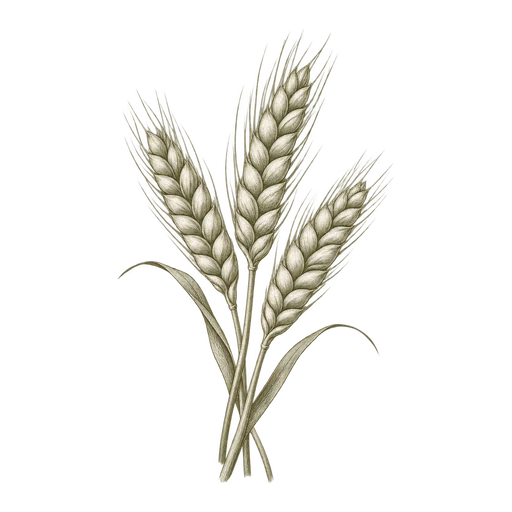
Wheat ingredients in this collection include vital wheat gluten, a concentrated functional protein, and wheat germ, the embryo portion of the kernel. They have different compositions and buying priorities, so compare each against its intended use rather than treating them as interchangeable.

2 ingredients6 published Insights
EXPLORE THE COLLECTION

Wheat ingredients ingredients

Starches/Fibers/Proteins

Vital Wheat Gluten

Vital wheat gluten is a dried wheat protein ingredient that develops an elastic, cohesive structure when hydrated. Buyers use it in bread, pasta, meat analogues and some feed formulations; compare its functional properties and quality analysis against the process before choosing a bulk product.

Explore ingredient
Starches/Fibers/Proteins

Wheat Germ

Wheat germ is a wheat-milling co-product used in food formulations and feed. Compare full-fat and defatted forms, processing history, and freshness measures to identify the material that fits your formulation and handling needs.

Explore ingredient

Two ingredients with different roles

This collection brings together Vital Wheat Gluten and Wheat Germ, two wheat-derived ingredients with distinct compositions and uses. Vital wheat gluten is separated from wheat flour and dried as a concentrated protein ingredient. When hydrated, it provides gluten functionality used in dough formulation.

Wheat germ is the embryo portion of the kernel separated during milling. It retains a broader mix of components, including protein, lipids and fiber. It is not a substitute for vital wheat gluten, and germ-derived oil or protein fractions are separate products.

Match the ingredient to the process

For dough applications, assess vital wheat gluten for more than protein content alone. Request the protein basis and relevant functional information, such as water absorption or application-specific baking results. Particle size and residual starch may also matter to formulation and handling.

For wheat germ, first establish whether the material is raw, heat-stabilized, defatted or otherwise processed, and whether it is intended for food or feed use. Its lipid content and active enzymes make freshness and storage relevant to quality. Do not assume that processing or intended use from the ingredient name.

Clarify lot details before buying in bulk

Compare specifications on a consistent measurement basis and check the stated test methods. For gluten, align the specification with the dough function you need; protein alone does not guarantee performance in a particular recipe. For germ, review moisture, appropriate freshness or oxidation indicators, packaging and storage recommendations.

Both ingredients come from wheat. Confirm allergen information and cross-contact controls for your intended end use, along with the lot’s documented food or feed suitability. The collection groups products by ingredient family; it does not establish that a particular product is suitable for every application or available in a given quantity.

Common questions.

Can wheat germ replace vital wheat gluten in a dough formula?+

No. Vital wheat gluten is a concentrated functional protein ingredient, while wheat germ is a broader kernel fraction with meaningful lipid content. They serve different formulation roles.

What performance information should I request for vital wheat gluten?+

Check the protein value and whether it is reported as received or on a dry-matter basis. Also request application-relevant functional data, such as water absorption or baking results, and confirm test methods.

What processing details matter when buying wheat germ?+

Clarify whether it is raw, heat-stabilized, defatted or otherwise processed, and confirm its intended food or feed use. Review freshness or oxidation indicators and the storage recommendations for the lot.

Are these wheat ingredients automatically suitable for food or feed use?+

No. Confirm the intended use and supporting product documentation for the specific lot. Also check wheat allergen information and cross-contact controls for your end use.

Wheat ingredients · BUYER INSIGHTS

Go deeper before you source.

Focused guides to the specification, application, and delivery questions behind this ingredient.

FIELD GUIDE01Wheat ingredients
Buyer’s guide

Wheat Germ Storage History and Bulk Receiving Questions

Questions to ask about wheat germ processing date, storage history, packaging and receiving help buyers plan for freshness-sensitive material without assuming a universal shelf life or shipment format.

Read this Insight
FIELD GUIDE02Wheat ingredients
Buyer’s guide

Full-Fat or Defatted Wheat Germ for Food Formulation?

Oil extraction changes wheat germ’s composition and oil contribution. Learn what to compare when selecting full-fat or defatted wheat germ for food formulation.

Read this Insight
FIELD GUIDE03Wheat ingredients
Buyer’s guide

Wheat Germ Freshness: Comparing Oil-Condition Measures

Wheat germ freshness cannot be established by one number. Learn how moisture, water activity, fat breakdown, oxidation, sensory condition and processing history contribute different pieces of evidence when comparing a lot.

Read this Insight
FIELD GUIDE04Wheat ingredients
Buyer’s guide

Planning receipt and storage of bulk vital wheat gluten

Prepare to receive bulk vital wheat gluten powder by matching the offered packaging to your unloading equipment, protecting the ingredient from moisture and odors, and following the product-specific storage directions.

Read this Insight
FIELD GUIDE05Wheat ingredients
Buyer’s guide

Vital wheat gluten as a binder in aquaculture feed

Hydrated vital wheat gluten can contribute protein and binding in extruded fish feed, but pellet performance and nutritional suitability depend on the complete formulation and process.

Read this Insight
FIELD GUIDE06Wheat ingredients
Buyer’s guide

How to compare vital wheat gluten protein and functional tests

Protein results for vital wheat gluten are comparable only when the nitrogen conversion factor and reporting basis match. Learn how to interpret moisture, ash, particle size and water-binding tests against a defined use and a lot-specific specification.

Read this Insight