Choose a form for the process
Puree serves as a blending ingredient, while dried fruit is a dehydrated product. Their moisture and handling characteristics differ, so match the form to the receiving and manufacturing process.
Ingredient intelligence · quote-ready sourcing
Papaya is sourced as fresh fruit, puree, frozen or canned fruit, dried products, and distinct processing by-products. Identify the exact material and compare form-appropriate quality measures, handling needs and intended use.
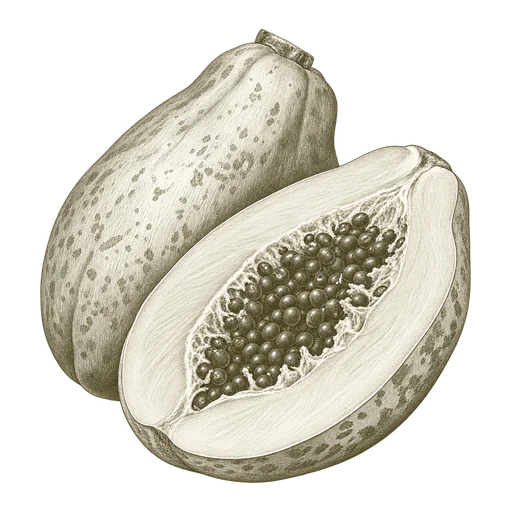
Papaya is the fruit of Carica papaya L. Food forms include fresh fruit, puree, juice or beverage blends, canned or frozen fruit, and dehydrated products. Each form has different processing and receiving needs, so the exact material matters in a bulk order.
Seed meal, pomace and papain are distinct materials rather than alternate names for papaya fruit. Seed meal and pomace have been evaluated in poultry-feed research; papain is an enzyme obtained from latex. Their specifications and intended uses should not be transferred to fruit products.
Puree serves as a blending ingredient, while dried fruit is a dehydrated product. Their moisture and handling characteristics differ, so match the form to the receiving and manufacturing process.
Moisture and water activity help characterize dried products, while soluble solids (°Brix) can help describe puree. The relevant measures depend on the product and its intended use.
Seed meal and pomace have different compositions from fruit flesh and from each other. Separate product identity and analysis help prevent feed research on one material from being applied to another.
| Characteristic | Why it matters |
|---|---|
| Material identity and process | Distinguishes fruit, puree, dried fruit, seed meal, pomace and papain. |
| Moisture and water activity | Relevant to dried-product characterization and storage planning. |
| Soluble solids (°Brix) | Can help characterize puree for blending and processing. |
| Color and microbiological quality | Useful food-quality measures selected for the product and intended use. |
| Feed by-product analysis | For seed meal or pomace, consider dry matter, protein, fat, fiber, ash and relevant antinutritional factors. |
These are comparison measures, not offered numerical specifications. The appropriate analysis depends on the exact papaya material and its intended use.
Papain is a proteolytic enzyme obtained from papaya latex, particularly from immature fruit. Latex collection and drying produce a distinct ingredient; ordinary ripe-fruit puree, dried fruit or meal should not be treated as papain or assumed to have its enzyme activity.
For food forms, useful quality measures can include moisture, water activity, soluble solids (°Brix), color and microbiological quality. Which measures matter depends on whether the material is puree, frozen fruit or dried product and how it will be used.
Papaya seed meal and pomace have different compositions and should not share a specification by default. For either feed-evaluated material, a representative analysis can include moisture or dry matter, crude protein, fat, fiber and ash. Seed meal also warrants attention to relevant antinutritional factors; composition varies among reported materials.
Research on these by-products is specific to the material and study diet. It does not supply a universal inclusion rate or establish a general feeding recommendation. Buyers considering a feed use should have a qualified nutrition professional assess the offered material and its analysis for the intended formulation.
Papaya puree is used as a blending stock in food processing, including beverage blends. Frozen and acidified processing approaches have different receiving and handling implications; specify the actual form and processing history.
Papaya can be used in drinks and beverage blends. The requested form—such as puree or juice—affects how the ingredient enters the process and which quality measures, including soluble solids, are relevant.
Ripe papaya is eaten as fruit, while immature papaya is used as a vegetable. These uses require a fresh-fruit product identity and should not be described using dried-ingredient or puree specifications.
Dried papaya is used as a food product. Drying conditions affect moisture, water activity and color, so buyers should evaluate the offered product using measures suited to its process and intended use.
Dried papaya seed meal and papaya pomace have been evaluated in poultry-feed studies as distinct materials. Their use requires material-specific analysis and professional formulation review; study findings do not establish a general feeding recommendation.
Name the form or by-product, quantity and unit, destination, intended use and requested timing. This identifies whether the order concerns food fruit, puree, dried product, seed meal, pomace or papain.
State the required packaging and how the facility can unload it. For frozen puree, include the site's cold-storage capability and the product's required receiving conditions; for other forms, specify the receiving method that fits the package.
For dried papaya products, moisture and water activity are relevant to storage planning; keep handling aligned with the product's stated requirements. For puree, follow the handling conditions associated with its frozen or acidified process rather than applying dried-product guidance.
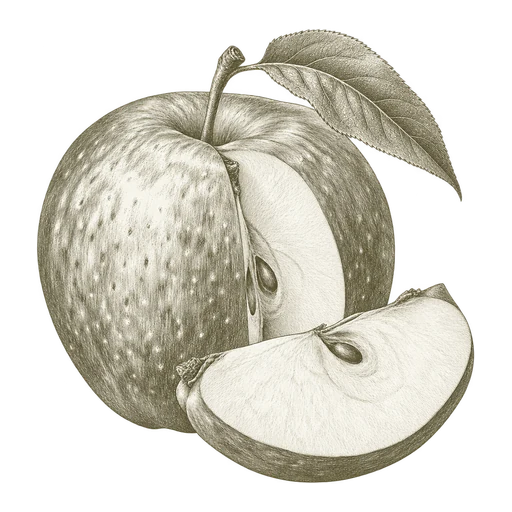
Bulk apples can mean whole fruit, culled apples, dried forms or apple pomace—the residue from pressing apples. Specify the form and intended use first, then compare grade or lot analysis, preservation, receiving needs and storage requirements.
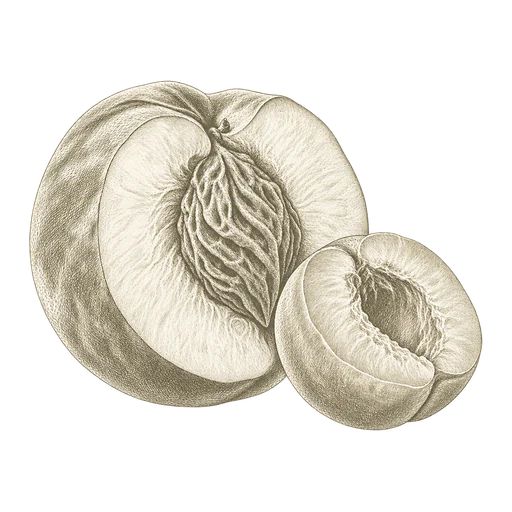
Explore ingredientApricots are sourced fresh or processed into dried fruit and other food forms. Match the form, cut, treatment and quality measures to the intended use, then plan receiving and storage around the product’s handling needs.
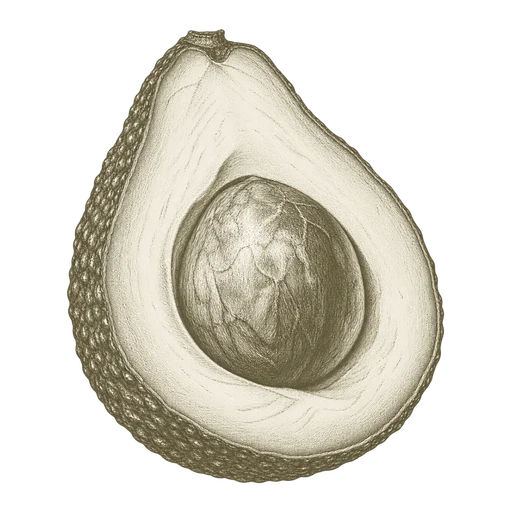
Explore ingredientAvocado feed materials include distinct forms such as pulp-and-peel by-product, peel meal and dried meal. Fraction, processing, intended species and handling needs determine what analysis and safety information matter before a bulk purchase.
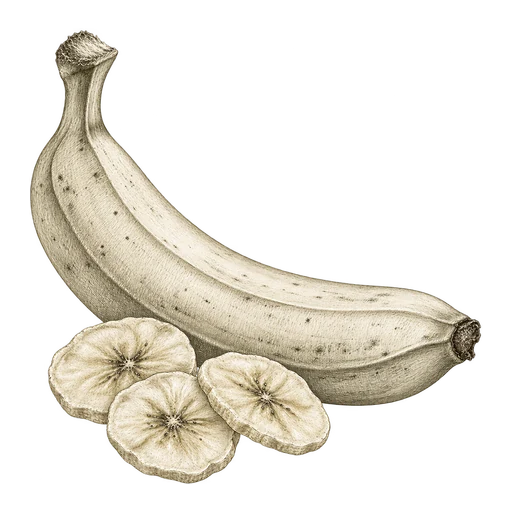
Explore ingredientBanana chips include both fried snack slices and dried banana products for food preparation or flour. Identify the process, added ingredients, and intended use before comparing quality measures and bulk shipment terms.
Explore ingredientFocused guides to the specification, application, and delivery questions behind this ingredient.
Receiving plans for papaya depend on form: frozen puree needs cold-storage readiness, acidified puree must follow its stated handling conditions, and dried papaya should be protected from moisture.
Read this InsightA formulation-focused guide to evaluating dried papaya seed meal for poultry, with attention to ingredient identity, analysis, antinutritional factors and species-specific review.
Read this InsightA form-specific guide to comparing papaya puree and dried papaya, with practical explanations of moisture, water activity, °Brix, color and microbiological quality.
Read this InsightDocumented food forms include puree, juice or beverage blends, canned or frozen fruit, and dehydrated products. Seed meal and pomace are separate processing by-products, while papain is a distinct latex-derived enzyme. Identify the exact material in a sourcing request.
No. Papain is a proteolytic enzyme obtained from papaya latex, particularly from immature fruit. Papaya flesh products such as puree and dried fruit are different materials and should not be assumed to provide papain activity.
The material and processing form, quantity, packaging, destination and timing all affect a delivered quote. For frozen puree, include the receiving site's cold-storage capability; for dried products or by-products, specify the required analysis and packaging.
Send your volume, destination, and key specifications. A broker can follow up with availability and commercial terms.