
Planning bulk wheat starch receiving, storage and dust controls
Plan wheat starch receiving around the offered form, shipment details, unloading setup, storage information and site-specific dust controls.
Read the guide
Practical guides to ingredients, specifications, and the questions worth asking before you buy.
Better ingredients.
Better questions.
Stronger connections.
Plan wheat starch receiving around the offered form, shipment details, unloading setup, storage information and site-specific dust controls.
Read the guideMilo can supply energy in poultry diets, but tannin status and amino-acid balance matter when evaluating its role in the complete ration. Understand the lot and the formulation before sourcing.
Read the guideRice protein’s limited water solubility can complicate beverage formulation. Separate solubility from dispersion and suspension, then evaluate the specific product in your recipe and process before making a bulk sourcing decision.
Read the guideCompare millet by species first, then evaluate the lot’s moisture, foreign material, kernel condition and physical form against requirements set for its intended use.
Read the guideGroats keep dehulled canary seed kernels intact, while flour is milled for blending into a formulation. Compare the forms through recipe trials and verify the specific material’s processing and food-use status before sourcing.
Read the guide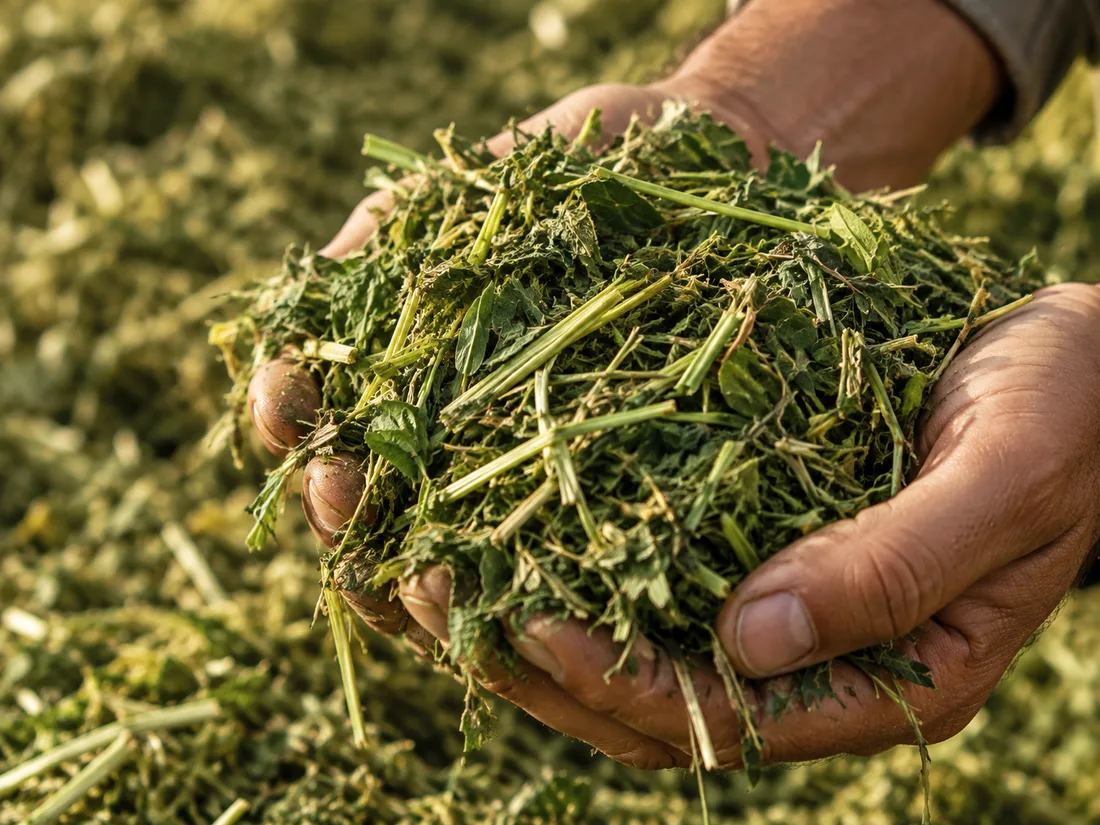
Compare alfalfa pellet crude protein, NDF, ADF, moisture and mineral results accurately by matching the product and lot, then aligning units, analytical methods and measurement basis.
Read the guidePlan bulk wheat middlings receiving around the product’s physical form, available storage capacity and unloading setup. Keep meal and pellets dry and protected from mold, with extra attention to pellets in hot, humid conditions.
Read the guideChoose olive oil for dressings, sauces and manufactured foods by defining its intended role, sensory target and process conditions. Virgin, refined and refined-and-virgin blend categories deliver different sensory profiles, so specify and evaluate the oil in the finished formulation.
Read the guideCompare sunflower hearts by physical form and processing state as well as by analysis. Learn how moisture, nutrient reporting basis, foreign material and kernel condition shape a useful lot specification.
Read the guideA practical formulation guide to evaluating oat flour’s grind, hydration, flavor and structural effects in batters and baked goods.
Read the guideA practical framework for comparing Austrian winter pea grain identity, condition and analysis results, with guidance on measurement basis and lot-specific characteristics.
Read the guideWhole, rolled and ground Austrian winter peas differ in particle size and handling. Compare the form, processing details and lot analysis with your feed system and species-specific ration needs.
Read the guideExplore ingredient specifications or share your volume, delivery needs, and buying requirements.