Grains
Alfalfa
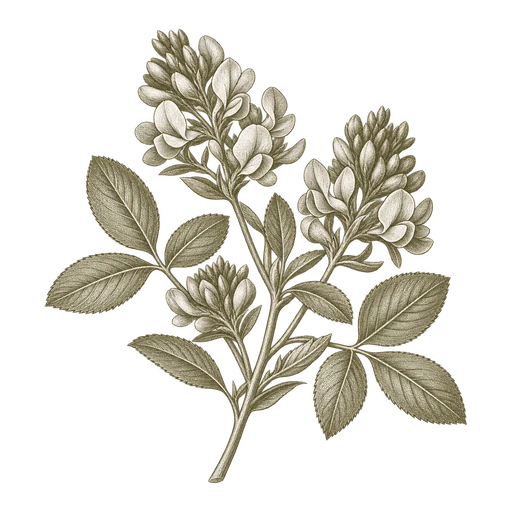
Alfalfa is a forage legume sourced as hay, silage, meal or pellets for livestock feed. Match the form to receiving and ration needs, then compare a lot-specific analysis on a consistent basis.
Explore ingredientA practical formulation guide to evaluating oat flour’s grind, hydration, flavor and structural effects in batters and baked goods.
Oat flour can contribute cereal flavor, color and body to batters and baked goods. The right formulation depends on whether it is replacing another flour, supplementing a flour blend, or serving as the main flour. Those choices affect structure as well as flavor: oat flour does not form the elastic gluten network that wheat flour does, so a direct substitution can change how a batter or dough holds together and sets.
Define the finished product before comparing flour offers. A pancake batter, a muffin batter and a yeast-raised dough place different demands on flow, gas retention and structure. Decide which qualities matter most—such as spread, tenderness, lift, crumb or a distinct oat flavor—then use those as the basis for a controlled trial.
Particle size influences how flour disperses and feels in a finished product. A finer grind generally blends more smoothly into a batter, while coarser particles can contribute a more noticeable grain texture. Actual results depend on the flour and recipe, so a visual impression alone cannot establish how a particular lot will behave.
Compare samples using the same ingredient sequence, mixing time and rest period. Look for dry pockets, clumping, uneven distribution and changes in batter flow. In baked products, assess the crumb or bite after baking rather than relying only on how the raw batter looks. When repeatability matters, request a clear description or specification of the flour’s particle size and relate it to your own process.
Oat flour contains soluble and insoluble fiber, and its interaction with water can affect batter thickness and texture. The amount and rate of hydration can vary with the flour’s grind and processing as well as with the recipe. A batter that thickens during a rest may pour or deposit differently from one used immediately.
For an informative trial, keep the liquid addition and mixing procedure consistent, then observe the batter at defined points: after mixing, after any planned rest, and at depositing or cooking. Record flow and handling alongside the baked result. If the batter is too thick, too loose or inconsistent across a batch, adjust one variable at a time rather than changing liquid, mixing and leavening together.
Oat flour brings a recognizable, mild grain character and can make a product look different from one made with a lighter-colored flour. Consider whether that character should be prominent or subtle, especially when the recipe includes delicate flavors. A side-by-side tasting can help distinguish the flour’s contribution from changes caused by sweetness, fat, flavorings or browning.
Structure deserves separate attention from sensory appeal. In a wheat-and-oat blend, wheat flour can still provide gluten-forming proteins, while oat flour changes the blend’s composition and eating qualities. In a formulation without wheat flour, other recipe components and process choices must provide the needed structure. Do not assume that matching the weight of another flour will produce matching volume, softness or handling.
Run small, comparable trials before moving a formulation into production. Keep the recipe and process fixed while comparing flour samples or blend choices. Record flour identity, grind information if available, liquid addition, mixing sequence, rest time and baking conditions. Evaluate the product at the same stage after baking, including texture and flavor once it has cooled.
A practical test should mirror the production question. For a pourable batter, assess flow and depositing consistency. For a baked product, compare rise, shape, crumb and tenderness. For products held before baking, include the planned hold time in the test. These trials reveal how a flour performs in your equipment and formula; they do not establish universal results for every oat flour.
When you are ready to source, the [Oat Flour] page is the starting point for discussing a flour that matches your formulation. Share the intended product, process, preferred grind and the observations that matter in your trial. Exact specifications and commercial terms depend on the offer.
It can be used in batters, but a direct weight-for-weight replacement may change structure, thickness and finished texture. Wheat flour forms gluten when mixed with water; oat flour does not. Test the replacement in the specific recipe and process, adjusting one formulation variable at a time.
Grind can affect how flour disperses, how smooth a batter feels and whether the finished product has a noticeable grain texture. Compare samples under the same mixing and baking conditions, and evaluate the baked product as well as the raw batter.
Record the flour identity and available grind information, ingredient sequence, mixing time, liquid addition, batter rest, process conditions and finished-product results. Track the measures relevant to the product, such as flow for a pourable batter or crumb and tenderness for a baked good.
Focused guides to the specification, application, and delivery questions behind this ingredient.
Plan a bulk oat flour order around your facility's quantity needs, receiving equipment and dry storage space. Verify the offered packaging and lot-specific handling guidance before arranging delivery.
Read this InsightCompare oat flour by its finished-flour particle-size profile, test method, processing history and analysis basis. These details help buyers judge how a flour may blend, disperse and contribute to texture without treating a nominal grind or grain analysis as a complete specification.
Read this InsightAlfalfa is a forage legume sourced as hay, silage, meal or pellets for livestock feed. Match the form to receiving and ration needs, then compare a lot-specific analysis on a consistent basis.
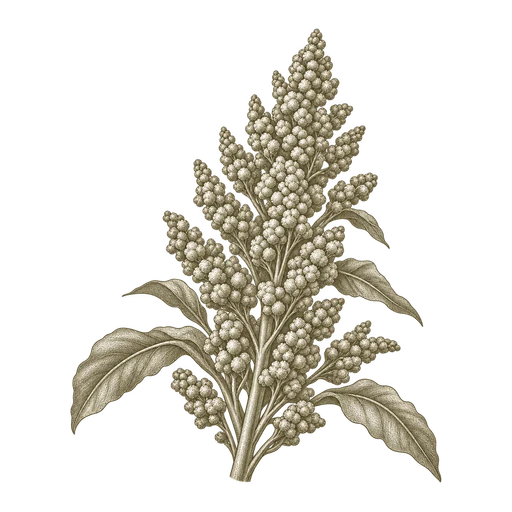
Explore ingredientAmaranth can be sourced as grain, leaf meal or whole-plant forage, and those forms are not interchangeable in feed formulation. Specify the plant material, species and processing method, then compare lot analysis suited to the intended animal and use.
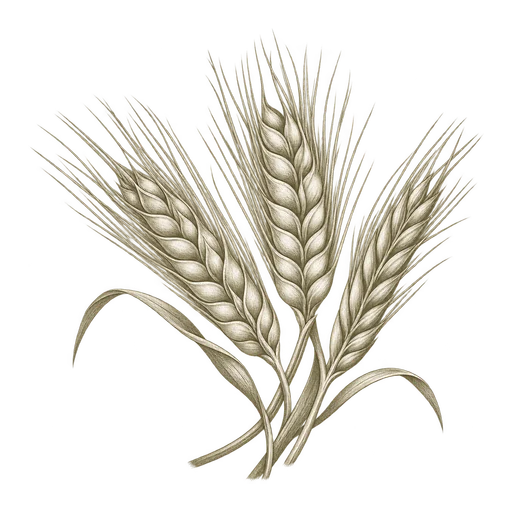
Explore ingredientBarley is a cereal grain used in cattle feed, malting, food and industrial processing. Whole and processed forms serve different needs; identify the intended use, processing state and receiving requirements when sourcing a bulk order.
Explore ingredientBrewers rice is a broken-rice milling fraction used in brewing, fermented products and animal feed. Compare broken, granulated or ground forms and review lot-specific physical and analytical details before sourcing in bulk.
Explore ingredient