
Planning bulk kale receiving and storage by product form
Plan a bulk kale order around its actual form: fresh, frozen, dried or harvested forage. Each requires a different receiving area, unloading plan and storage approach.
Read the guide
Practical guides to ingredients, specifications, and the questions worth asking before you buy.
Better ingredients.
Better questions.
Stronger connections.
Plan a bulk kale order around its actual form: fresh, frozen, dried or harvested forage. Each requires a different receiving area, unloading plan and storage approach.
Read the guideKiwi pomace, peel and extracted fiber are distinct ingredient forms. Compare their identity, processing and behavior in the intended food before choosing a form for formulation and sourcing.
Read the guideA practical guide to dextrose’s possible taste and carbohydrate roles in pet food, with attention to species, particle size, processing and the product details formulators should compare.
Read the guideCompare herring fish meal analyses on a consistent basis, understand what each result measures, and match additional tests to the formulation and quality requirements.
Read the guideCracked corn supplies starch-rich grain energy, but its role in a beef cattle ration depends on the cattle, forage, other ingredients and feeding management. Understand when processing matters and what to review with a nutritionist.
Read the guideAssess almond hulls for cattle rations by matching the lot’s identity, analysis and physical form to the animal class, ration and feed-handling system.
Read the guidePlan fish meal receiving around the offered shipment format, site unloading capacity and dry, clean storage. Track lot identity, manufacture date and storage history without assuming a shelf life or shipment arrangement.
Read the guideA bulk cherry pomace specification should identify the cherry type, wet or dried condition, processing history and expected pit or seed content. Compare lot-specific analysis on a clear reporting basis and set quality requirements for the intended use.
Read the guideA practical planning guide to specifying bulk Red Milo orders, preparing receiving equipment and protecting grain condition in storage.
Read the guideSee how dry split green peas enter soup and prepared-food processes, and why split integrity, fines, color, moisture and analysis basis matter when choosing an ingredient for manufacturing.
Read the guideCompare beet molasses reports on a common analytical basis. Learn what moisture, dry matter, sugars, Brix and density each measure, and when protein, ash and minerals matter to a feed formulation.
Read the guide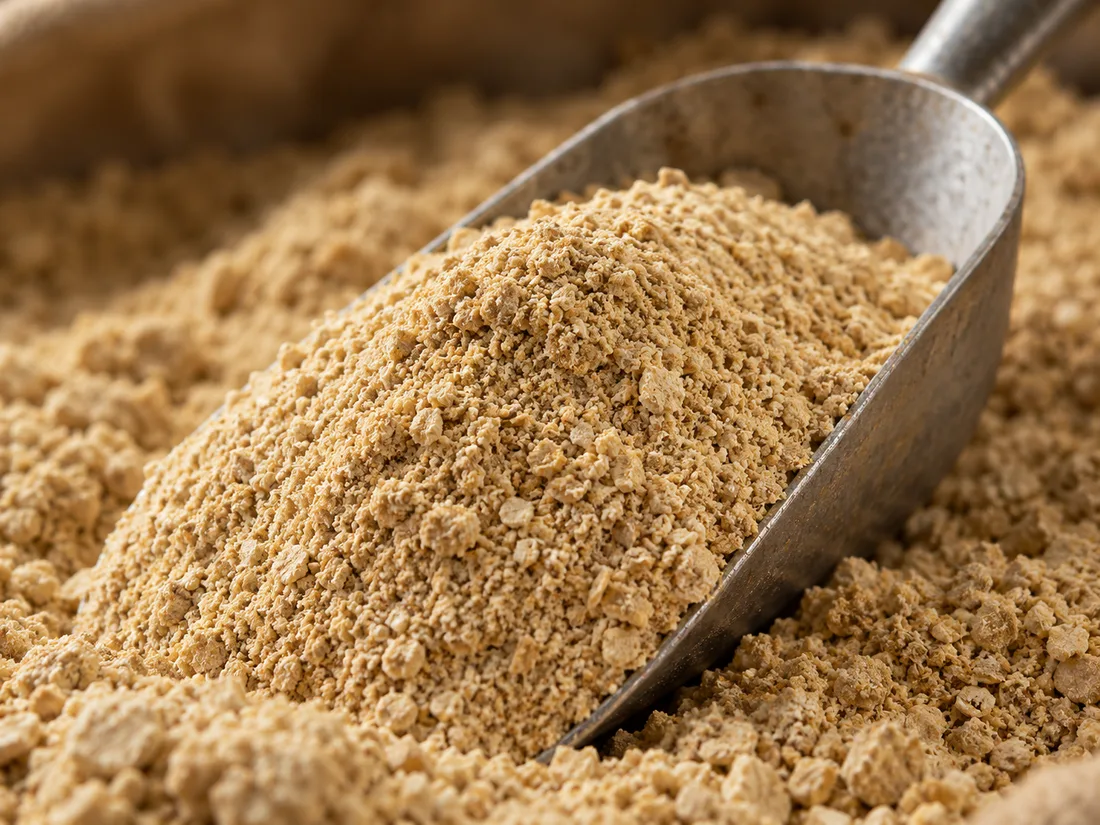
Whole soybeans retain their oil, while soybean meal is the solid residue after oil extraction. That difference affects each ingredient’s role in a livestock ration, and whole beans also require attention to heat treatment. Compare the specific product and intended animal with a nutritionist before choosing a form.
Read the guideExplore ingredient specifications or share your volume, delivery needs, and buying requirements.