Grains
Alfalfa
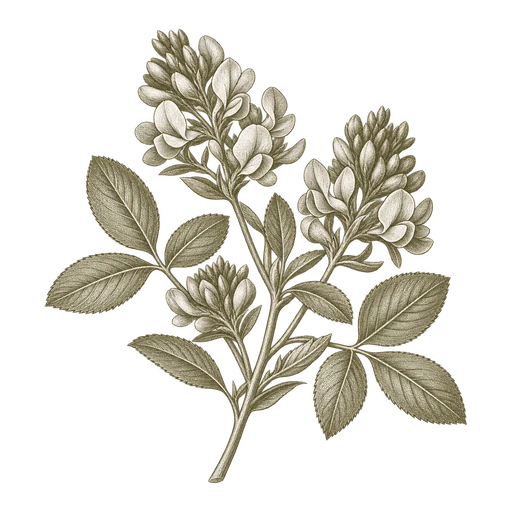
Alfalfa is a forage legume sourced as hay, silage, meal or pellets for livestock feed. Match the form to receiving and ration needs, then compare a lot-specific analysis on a consistent basis.
Explore ingredientPlan fish meal receiving around the offered shipment format, site unloading capacity and dry, clean storage. Track lot identity, manufacture date and storage history without assuming a shelf life or shipment arrangement.
A smooth fish meal delivery starts with matching the offered shipment format to the equipment and space at the receiving site. Before arranging an order, establish the quantity and unit, delivery destination, receiving hours, access restrictions and the date the material is needed. Then compare those details with the shipment format and unloading method available for the specific offer.
Fish meal may be offered in different packaging or shipment formats, but the available options should not be assumed. Ask what the offer includes and whether the receiving operation can handle it. A site set up for one format may not be able to unload another without extra labor, equipment or temporary storage.
Check practical constraints such as vehicle access, unloading area, permitted delivery times and the route from the receiving point to storage. If the site has limited clearance, a restricted approach or a scheduled unloading window, share those details early. They can affect which shipment arrangement is workable and how the delivery must be coordinated.
The packaging determines how fish meal moves from the delivery point into storage or production. For a packaged offer, identify how units will be unloaded, moved and protected while awaiting use. For a bulk offer, determine what unloading connection, conveying equipment or receiving capacity the supplier's proposed arrangement requires. The exact format and equipment compatibility are offer-specific.
Also check whether your facility can keep the material protected during transfer. Open doors, uncovered staging areas and delays between unloading and storage can expose feed ingredients to rain, damp surfaces, dust or other materials. Plan a direct route into a clean, dry storage area, and make sure staff know where the load is to be placed.
If a delivery includes multiple lots or packaging units, ask how lot identity will be maintained through receiving and internal movement. Keeping the lot information with the material supports inventory rotation and makes it easier to connect the received product with its accompanying records.
Fish meal should be kept dry and protected from water ingress. Moisture can cause caking and interfere with movement through storage or feed-handling equipment. Inspect the receiving area for leaks, wet floors and condensation risks, and avoid leaving material exposed during unloading or staging.
Use clean storage space and equipment, and prevent contact with residues from previous loads or other stored materials. Keep packaging intact until the product is needed where practical, and close or protect opened units between uses. For material placed in bulk storage, ensure the storage system is appropriate for the offered form and can be kept clean and dry.
Storage history matters alongside the manufacture date. Ask for the lot's manufacture date and any available history of storage conditions or handling so your team can assess the time elapsed and how the product was maintained. Do not infer a usable shelf life from the date alone; product-specific handling guidance and the condition of the lot are relevant.
Record the fish meal's lot identification, manufacture date, receipt date and storage location when it arrives. Keep the relevant product and lot information with the inventory record, especially if more than one lot is stored or used at a time. This makes it easier to use older receipts in a planned sequence and trace material through internal handling.
Before combining material from separate deliveries, consider whether your formulation, quality process or recordkeeping requires lots to remain identifiable. Mixing lots can make it harder to track a concern back to a particular receipt. Follow the handling guidance supplied for the specific product, and maintain the separation your operation needs.
If the material has been exposed to water, damaged packaging or an unexpected storage condition, isolate the affected portion from routine use while the appropriate quality review takes place. Document what happened and retain the lot details so the issue can be assessed against the applicable product requirements.
Before finalizing a purchase, confirm the offered packaging or bulk format, the proposed unloading arrangement, the quantity and unit, delivery destination and any timing constraints. Provide the facility's receiving capabilities and site restrictions so the proposed shipment can be assessed against real operating conditions.
Request the product's manufacture date and available storage or handling history when these details are important to your inventory plan. Identify the quality records and handling guidance your operation needs before receipt, and agree how lot identity will be communicated and preserved. These details are specific to the offer; no packaging, delivery method, shelf life or shipment term should be assumed.
Once your quantity, destination and receiving needs are defined, review the [Fish Meal ingredient page](/ingredients/fish-meal) to move toward a sourcing inquiry. Including the site's unloading setup and storage capacity with the request helps focus the discussion on a shipment your operation can actually receive.
Confirm the offered packaging or bulk format, quantity and unit, unloading method, delivery destination, site access limits and receiving schedule. Match those details to the equipment, labor and storage capacity available at your facility.
Keep it in clean, dry storage protected from water ingress and contamination. Plan to move it promptly from unloading into storage, protect opened packaging between uses, and follow the handling guidance supplied for the specific product.
No. The date is useful inventory information, but it does not by itself establish a shelf life. Consider it alongside the lot's storage and handling history and any product-specific guidance provided for the offer.
Focused guides to the specification, application, and delivery questions behind this ingredient.
Evaluate fish meal for aquaculture diets by relating the offered lot’s composition to species and life-stage needs, the complete formula, and the feed manufacturing process.
Read this InsightSpecies and raw-material descriptions give context for fish meal analysis, but meaningful comparisons also require protein, lipid, ash and moisture values reported on a consistent as-fed or dry-matter basis.
Read this InsightAlfalfa is a forage legume sourced as hay, silage, meal or pellets for livestock feed. Match the form to receiving and ration needs, then compare a lot-specific analysis on a consistent basis.
Explore ingredientAlfalfa meal is ground forage used in animal feed, with sun-cured and dehydrated processing routes and meal or pellet forms. Compare the offered process, physical form and analysis against the needs of the species and feed formulation.
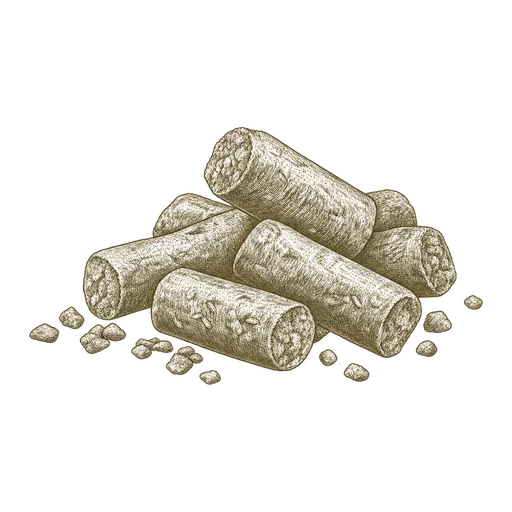
Explore ingredientAlfalfa pellets are ground, compressed forage used in livestock feeding and compound feeds. Compare the drying process, alfalfa material, forage analysis and pellet characteristics to choose a form that fits your ration and receiving setup.
Explore ingredientAlmond hulls are the dried outer layer of the almond fruit, sourced for ruminant feed as hull-only material or as a hull-and-shell mixture. Compare the lot’s composition, physical form, and handling needs before arranging a bulk shipment.
Explore ingredient