
Banana Chips Specifications: Comparing Moisture and Oil
Understand why fried and dried banana chips can show different moisture and oil results, and how to compare methods, product identity, slice condition and aroma.
Read the guide
Practical guides to ingredients, specifications, and the questions worth asking before you buy.
Better ingredients.
Better questions.
Stronger connections.
Understand why fried and dried banana chips can show different moisture and oil results, and how to compare methods, product identity, slice condition and aroma.
Read the guideCompare Red Siberian seed by keeping varietal identity, physical purity and germination performance distinct. Lot-linked documentation and test-method details make quality claims more meaningful.
Read the guideCompare dry addition and reconstitution, then assess potato flakes in the actual soup or sauce process before scaling up.
Read the guide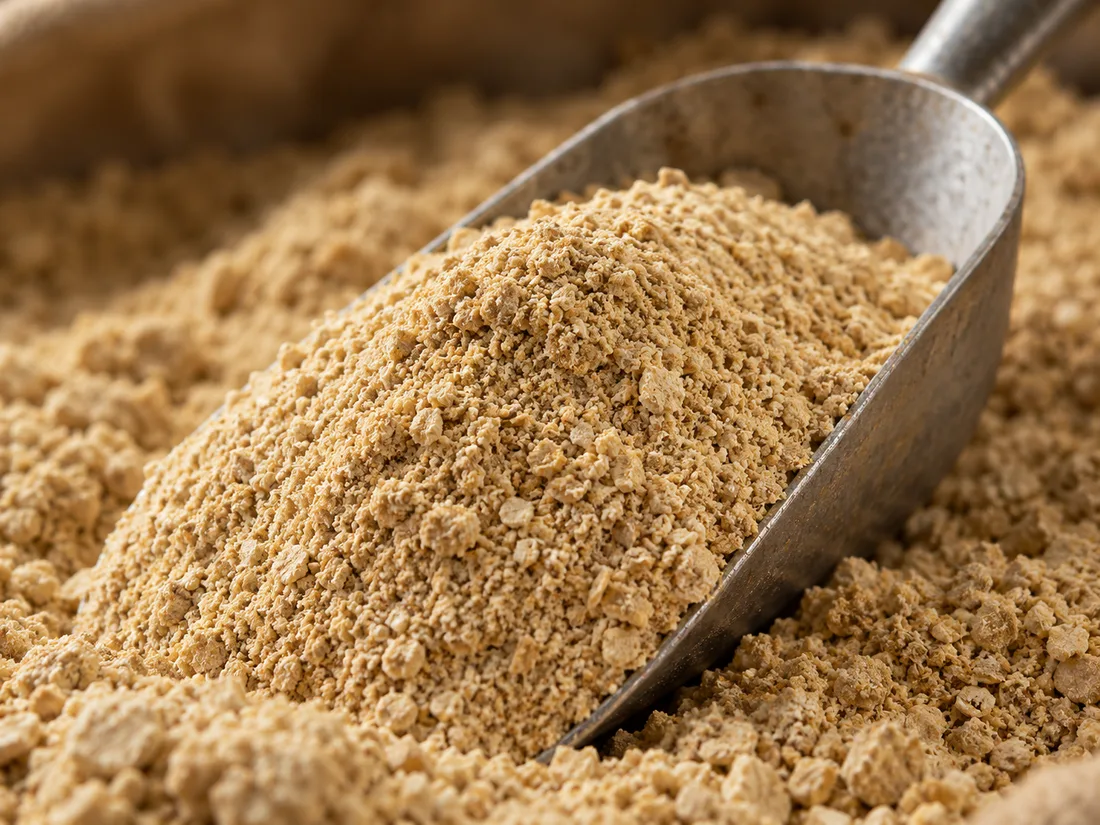
Whole soybeans retain their oil, while soybean meal is the solid residue after oil extraction. That difference affects each ingredient’s role in a livestock ration, and whole beans also require attention to heat treatment. Compare the specific product and intended animal with a nutritionist before choosing a form.
Read the guideCompare milo’s moisture, test weight, kernel condition and foreign material as distinct quality factors, then assess feed-value analysis separately. Consistent methods and representative sampling make lot comparisons more useful.
Read the guideBeet molasses can help feed particles adhere and reduce loose dust, but its usefulness as a pellet binder depends on liquid distribution, metering and the production line. Evaluate those process needs separately from its role as a source of feed energy.
Read the guide
Plan a triticale grain order around a clear quantity, destination, receiving method and storage setup. Moisture and grain condition inform storage decisions, while shipment details depend on the offered lot and your facility.
Read the guidePlan bulk Red Siberian seed delivery by matching the order quantity, packaging and receiving setup to the destination, then store the lot dry and follow its specific handling guidance.
Read the guidePlan bulk colored safflower seed deliveries around your receiving equipment, shipment presentation and destination. Inspect lot condition on arrival, verify relevant measurements and protect stored seed from moisture, contamination and insect activity.
Read the guide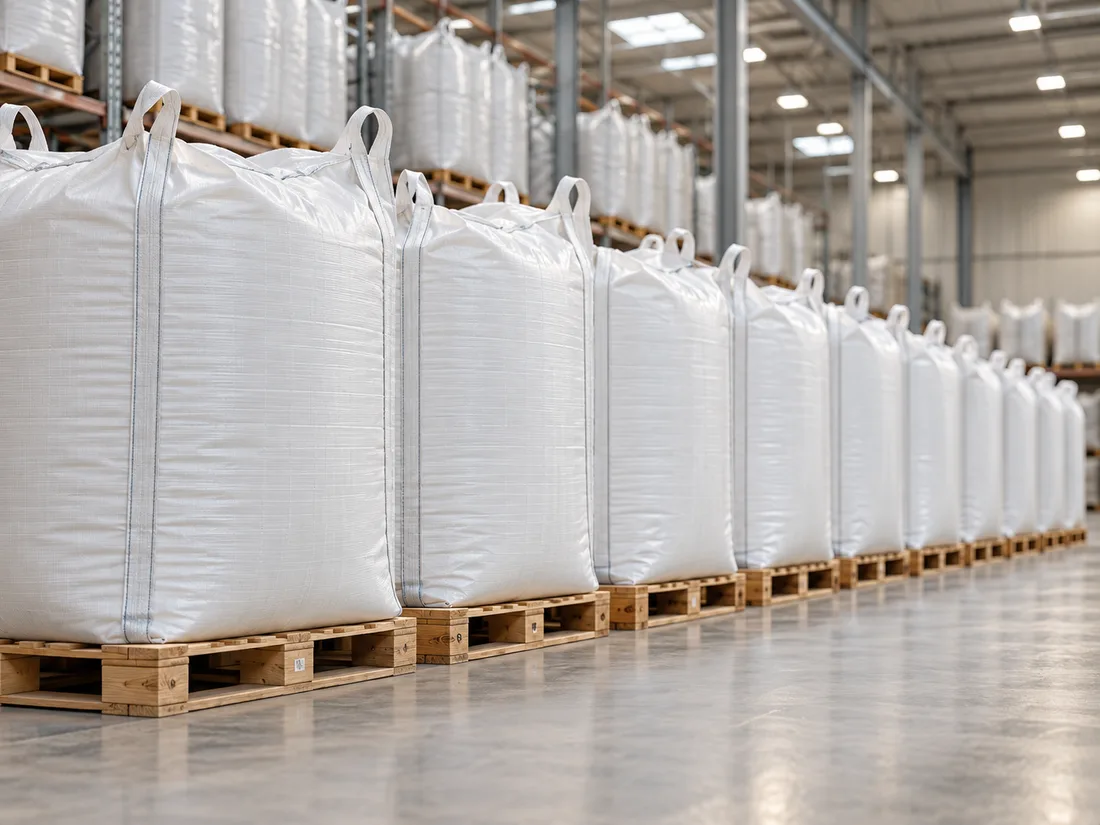
Prepare a canary seed delivery by specifying the exact form, shipment quantity, destination and receiving method, then requesting lot-specific moisture information and handling guidance.
Read the guideA practical guide to defining bulk brown rice acceptance criteria for grain class, kernel integrity, defects, foreign material and moisture—without assuming one grade fits every use.
Read the guideCompare cassava flour moisture and cyanide results on a defined, consistent basis. Learn which details make lot analyses meaningful for food or feed use.
Read the guideExplore ingredient specifications or share your volume, delivery needs, and buying requirements.