
How to compare pea hull fiber specifications
A practical framework for comparing pea hull fiber offers by identity, fiber analysis method and basis, particle size, and supporting composition measures.
Read the guidePractical guides to ingredients, specifications, and the questions worth asking before you buy.
Better ingredients.
Better questions.
Stronger connections.
A practical framework for comparing pea hull fiber offers by identity, fiber analysis method and basis, particle size, and supporting composition measures.
Read the guide
Plan a bulk soybean order around the exact product form, receiving equipment and storage conditions your facility can support. Define the quantity, destination and timing, then confirm the handling and commercial details for the specific offer.
Read the guideCompare citrus pulp pellets on a consistent analysis basis. Understand how moisture affects as-fed and dry-matter values, and what to review across the nutrient panel before using figures in a ration.
Read the guideLearn how to interpret chickpea flour sieve results, compare particle-size distributions, and connect specification details to your food process.
Read the guideCranberry pomace powder can add fruit-derived solids and fiber to yogurt, but its particle size, moisture and hydration behavior affect dispersion and texture. Evaluate the actual powder in the intended formulation before scaling.
Read the guideCompare whole-root and juice-derived beet powder for yogurt by testing ingredient statement, dispersion, target shade and heat exposure in the finished formulation.
Read the guide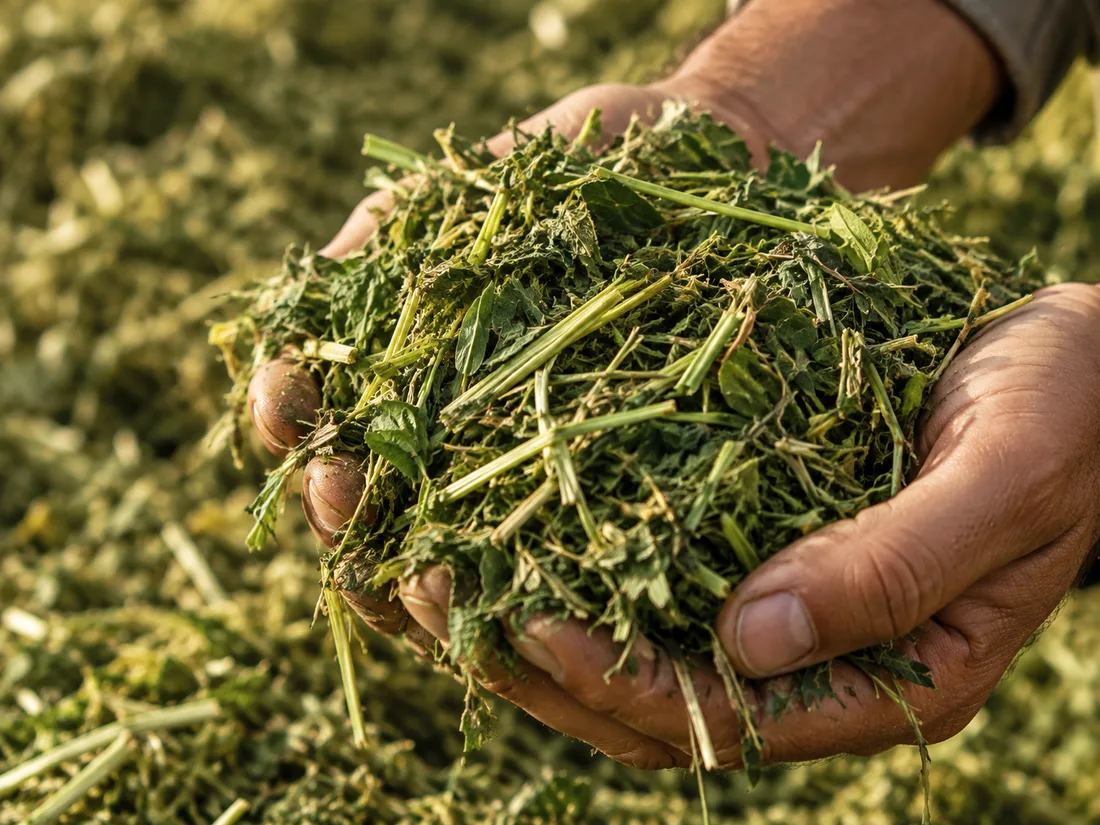
Soy hull pellets can contribute digestible fiber and energy to forage-based cattle rations, but their pelleted form does not replace the physical role of long-stem forage. Their use depends on the complete ration, roughage, feeding management, and professional formulation.
Read the guide
Compare tomato pomace analysis on a consistent basis. Moisture, dry matter, protein, fat, ash and the named fiber method all affect how a lot report should be read.
Read the guideMolasses can supply rapidly fermented sugars, improve palatability and help reduce dust in cattle feed. Its role depends on product form, lot analysis and how it fits the complete ration.
Read the guidePeanut splits can range from kernel halves to smaller fragments. Define piece form, screen distribution and defect criteria separately, and use Virginia Splits only when the lot is represented against the applicable U.S. grade requirements.
Read the guideA practical framework for comparing split green peas condition and analysis, from visible traits such as fines and color to moisture and feed-nutrient reporting basis.
Read the guidePlan bulk green bean receiving by form: fresh beans need suitable produce storage, frozen beans need freezer capacity, and canned beans need intact packaging and storage directed by the product instructions.
Read the guideExplore ingredient specifications or share your volume, delivery needs, and buying requirements.