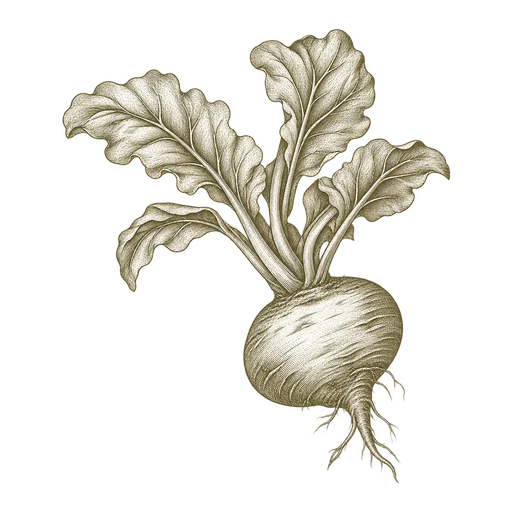
Start with the color job and the ingredient statement
Beet powder can contribute a red-to-pink color to yogurt, but the right form depends on more than the shade you want. First decide whether your formulation calls for whole-root beet powder or powder made from beet juice. These forms differ in the plant material they contain, how they behave when mixed into the yogurt, and how they may fit the ingredient statement.
Whole-root powder is made from dried beetroot and retains more of the root’s solids. Juice-derived powder comes from beet juice that is dried; the amount and kind of material remaining depend on how the ingredient was made. Don’t assume that a product name alone tells you whether carriers or other ingredients are present. Review the product’s ingredient declaration and specification, then check how its exact name fits your labeling requirements.
Whole-root and juice-derived powders behave differently
Whole-root powder brings beet solids into the recipe along with its pigments. That can affect body, visible particles, and the perception of beet flavor, particularly if the powder does not disperse evenly. It may be worth testing when the recipe can accommodate those solids or when a whole-vegetable ingredient is part of the product concept.
Juice-derived powder brings color from beet juice, with less of the original root material than a whole-root powder. That difference can make it a more practical starting point when the goal is color with fewer root solids, but it is not a guarantee of complete dissolution or a particular shade. Particle size, processing and formulation all matter. Compare samples in the actual yogurt rather than judging color or mixability from the dry powder alone.
Plan for dispersion in yogurt’s water phase
Yogurt contains an aqueous phase, so how a beet powder wets and disperses in that phase affects whether color appears uniform. A powder that gathers into clumps or remains as visible specks can produce an uneven appearance even when its color looks suitable before mixing. Whole-root solids may be more noticeable; juice-derived powder can still require careful dispersion.
Run a small formulation trial using the intended mixing equipment and addition sequence. Record whether you pre-disperse the powder, when it enters the batch, and how long it mixes. If you are comparing powder forms, keep those conditions consistent. Also assess the finished yogurt after it has reached its normal texture; vigorous mixing or a different addition point can change the visible result.
Set the target shade in the finished recipe
Describe the target in product terms: for example, a pale pink or a stronger red-pink appearance, and whether the color needs to look uniform across the container. A color target gives the trial a practical endpoint, but no powder form or supplier description can promise a particular shade in every yogurt recipe.
The dairy base, its acidity, other ingredients and the powder’s own characteristics can all influence the result. Beet pigments are sensitive to processing conditions, and the finished formulation is the place to judge color and flavor together. Test the powder at the intended use level and assess the yogurt after the relevant processing and storage steps for your product. If possible, compare the trial with a retained control made without the color ingredient.
Account for heat and choose with a finished-product trial
Processing heat can diminish beet color. If the powder is added before a heating step, evaluate color after that step rather than relying on the appearance of the mix beforehand. If your process allows the color ingredient to be added later, a comparison can show whether reduced heat exposure changes the outcome; any change in addition timing still needs to work with your process and quality controls.
A useful trial compares whole-root and juice-derived powders in the same recipe, with the same mixing conditions and processing sequence. Assess shade, evenness, visible particles, flavor and any effect on texture. Repeat the test when the recipe or process changes enough to affect those results. Once the form and color requirements are clear, visit the [Beet Powder](/ingredients/beet-powder) page to explore sourcing options; the exact product characteristics and commercial terms depend on the offer.
Common questions.
Is whole-root or juice-derived beet powder better for coloring yogurt?+
Neither is universally better. Whole-root powder includes more beet solids, which may affect visible particles, texture and flavor. Juice-derived powder contains material made from beet juice and may be a better trial candidate when fewer root solids are desired. Compare both in the finished recipe.
Will beet powder dissolve completely in yogurt?+
Do not assume it will. Dispersion depends on the powder and the mixing method; whole-root solids may remain more apparent, and juice-derived powder is not guaranteed to dissolve completely. Test it with your actual equipment and addition sequence.
Does processing heat affect beet powder color in yogurt?+
Yes. Heat can diminish beet color, so assess the product after the yogurt’s actual processing steps. A trial can compare addition points if your process permits them, but the finished formulation determines the result.