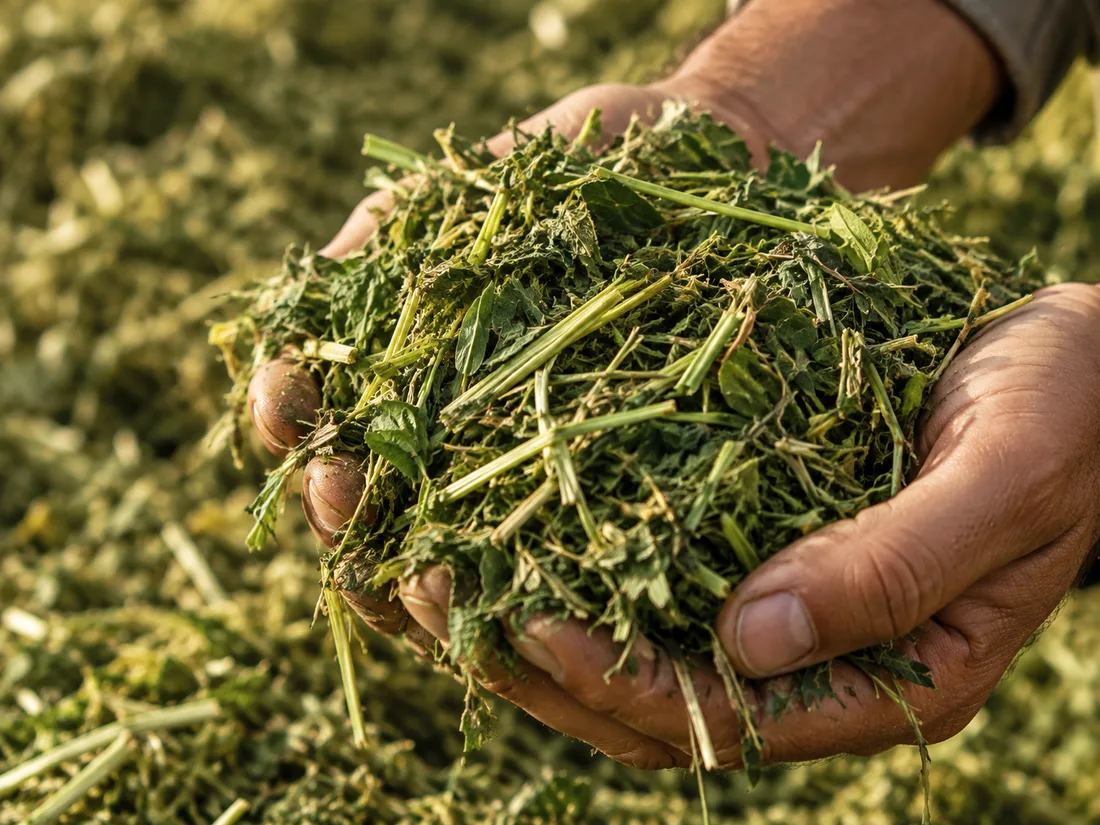
How to compare forage kale analysis and nutrient basis
Compare forage kale analyses on a consistent dry-matter or as-fed basis, and interpret protein, fiber and energy measures according to the form tested and method used.
Read the guide
Practical guides to ingredients, specifications, and the questions worth asking before you buy.
Better ingredients.
Better questions.
Stronger connections.
Compare forage kale analyses on a consistent dry-matter or as-fed basis, and interpret protein, fiber and energy measures according to the form tested and method used.
Read the guide
Plan a wet apple pomace order around quantity, timing, receiving capacity, and a preservation method. Fresh pomace is perishable; unloading and storage arrangements should follow directions for the actual product.
Read the guideWhole-seed condition, size distribution, cultivar and storage history can shape how pinto beans sort, hydrate and cook. Learn what to assess in a lot and which process measures to validate on your own line.
Read the guideA practical guide to comparing whole and ground proso millet for poultry feed, with questions to resolve about grain identity, lot analysis and feed processing.
Read the guidePlan a red lentil flour shipment around the form you need, the quantity and destination, and your facility’s packaging, unloading and storage capabilities.
Read the guidePlan bulk wheat bran receiving before the order is booked: match flakes or meal to your equipment, define quantity and delivery details, and prepare dry, protected storage.
Read the guideA focused formulation framework for evaluating tomato pomace powder in bread, from food-use identity and particle form through controlled dough and loaf testing.
Read the guideAssessing amaranth grain for poultry feed requires matching the study material and diet to the grain lot being considered. Treatment, bird type, ration context and lot analysis determine how useful the evidence is.
Read the guideA practical guide to assessing black soldier fly larvae oil for finfish diets, with attention to fatty-acid composition, rearing and extraction history, and species-specific formulation requirements.
Read the guideWhole, ground and rolled flaxseed differ in seed disruption, particle size and handling. Understand those distinctions, clarify what a product labeled meal contains, and review the analysis with a qualified nutritionist before formulating animal feed.
Read the guideA practical guide to specifying dried apricot halves or pieces by cut, appearance, treatment and moisture characteristics for food formulations.
Read the guideFor food manufacturing, specify cashew processing state, kernel form and grade as separate attributes. Match them to your production steps, recipe and finished-product presentation before sourcing in bulk.
Read the guideExplore ingredient specifications or share your volume, delivery needs, and buying requirements.