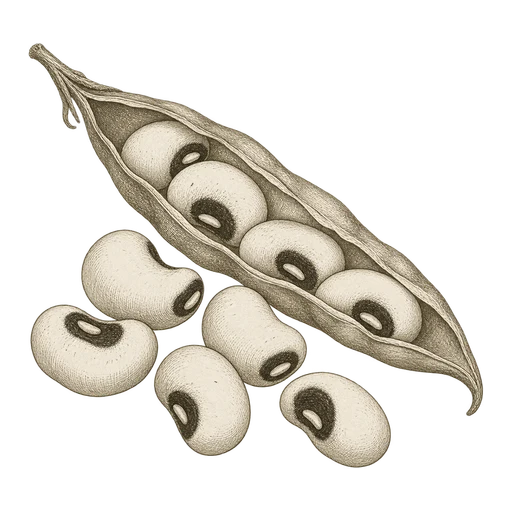
Cooking performance starts with the whole seed
For food processors, pinto bean cooking performance is not determined by appearance alone. Whole-seed condition, size distribution, cultivar and storage history can all influence how a lot moves through cleaning, hydration and cooking. Those factors help explain why beans that look broadly similar may not behave identically on a production line.
Begin with the condition of the incoming beans. Broken or split seeds, damaged seed coats, discoloration and foreign material can affect sorting efficiency and the share of beans that remain intact in the finished product. These observations do not predict every cooking outcome, but they help identify questions to test before a lot is used in a commercial run.
Size and uniformity affect process consistency
A more uniform size distribution can make sorting and process control more predictable. Beans of noticeably different sizes may hydrate or cook at different rates under the same conditions, leaving a mixed texture or a broader range of finished-seed integrity. Size is therefore useful to evaluate alongside condition—not as a stand-alone guarantee of cooking quality.
Assess the distribution that matters to your equipment and end product. For a product sold as intact cooked beans, splits and skin damage may be important endpoints. For a formulation where appearance is less central, cooking consistency, usable yield or the behavior of beans during downstream mixing may take priority.
Cultivar and lot history need separate evaluation
Cultivar can be relevant to seed size, appearance and cooking behavior, but a result observed with one cultivar should not be assumed to apply to every pinto bean lot. Even when cultivar information is available, it is only one part of the evaluation; growing conditions, harvest, handling and storage can also distinguish lots.
Storage history matters because dry beans can change in their ability to hydrate and soften over time. Some stored beans may take longer to cook or remain firm under conditions that soften other lots. A cultivar name or a visual inspection cannot establish a cooking time or texture for a specific shipment, so processors should evaluate the actual lot against their intended process.
Build a line trial around the finished product
A useful trial reproduces the steps most likely to affect the finished beans: cleaning and sorting, soaking or other hydration, cooking, and any later processing such as canning or incorporation into a prepared food. Keep the test conditions representative of the plant process. Otherwise, a bench result may not capture the effects of equipment, batch size or downstream handling.
Track hydration uptake and the time needed to reach the target cooked condition. Also evaluate cooked firmness, seed integrity, color, solids released into cooking liquid and usable yield where those measures matter to the product. For beans destined for a further thermal process, assess performance after that step as well. These are validation measures for the manufacturer’s own process, not universal acceptance limits for pinto beans.
Define the desired outcome before comparing lots. A processor seeking distinct, intact beans may set different priorities from one making a softer bean filling. Documenting the trial conditions and endpoints makes the comparison more useful and helps distinguish a raw-material difference from a process-setting difference.
Turn trial results into a lot specification
Translate the trial into practical purchasing criteria: acceptable condition and size distribution, any cultivar or identity requirements, and the process results that matter to the finished product. If a particular cooking behavior is essential, state how it will be evaluated rather than relying on a general description such as “cooks well.”
For a bulk comparison, align samples and production lots with the same preparation method and record relevant lot information. Specify the intended end use and the form required: this article concerns whole dry beans, not cooked, canned or milled pinto bean ingredients. Availability, lot details and commercial terms depend on the offer; the [pinto beans page](/ingredients/pinto-beans) is the starting point when whole dry pinto beans are the required input.
Common questions.
Do larger pinto beans always take longer to cook?+
Not as a universal rule. Size can affect hydration and cooking consistency, but cultivar, lot condition, storage history and process conditions also matter. Test the size distribution you plan to use under representative production conditions.
Can a pinto bean cultivar guarantee a particular cooked texture?+
No. Cultivar may be relevant, but it does not establish the performance of every lot. Evaluate the actual beans for hydration, cooking time, firmness and integrity using the process and finished-product criteria that matter to your line.
What should a processor measure in a pinto bean line trial?+
Use measures tied to the product: hydration uptake, time to the target cooked condition, firmness, seed integrity, color, cooking-liquid solids or usable yield as relevant. Include downstream processing when it affects the finished beans, and compare lots under consistent conditions.