
How to compare dry field pea analysis for feed
Compare dry field pea feed analyses reliably by confirming pea maturity and form, aligning moisture basis and units, and tying results to the lot they describe.
Read the guidePractical guides to ingredients, specifications, and the questions worth asking before you buy.
Better ingredients.
Better questions.
Stronger connections.
Compare dry field pea feed analyses reliably by confirming pea maturity and form, aligning moisture basis and units, and tying results to the lot they describe.
Read the guide
Prepare to receive bulk colored oat groats by matching the lot’s raw or heat-treated status, packaging, quantity, and delivery details to your facility. Protect the groats from moisture, preserve lot identity, and use lot-specific handling guidance to plan storage.
Read the guideCompare sesame oil processing and quality measures with a clear distinction between extraction method, refining, composition and lot-specific test results.
Read the guidePlan milk permeate powder receiving around compatible packaging and unloading equipment, then protect the dry ingredient from moisture and unnecessary heat. Use the supplier’s product-specific handling and shelf-life instructions rather than a universal storage limit.
Read the guidePlan bulk alfalfa meal receiving around the product form, moisture protection, packaging, unloading equipment and dry storage capacity.
Read the guideCompare meat and bone meal lots using analytical basis, protein, fat, moisture, ash and mineral data—not crude protein alone. Amino acid and digestibility results add context when the formulation requires them.
Read the guide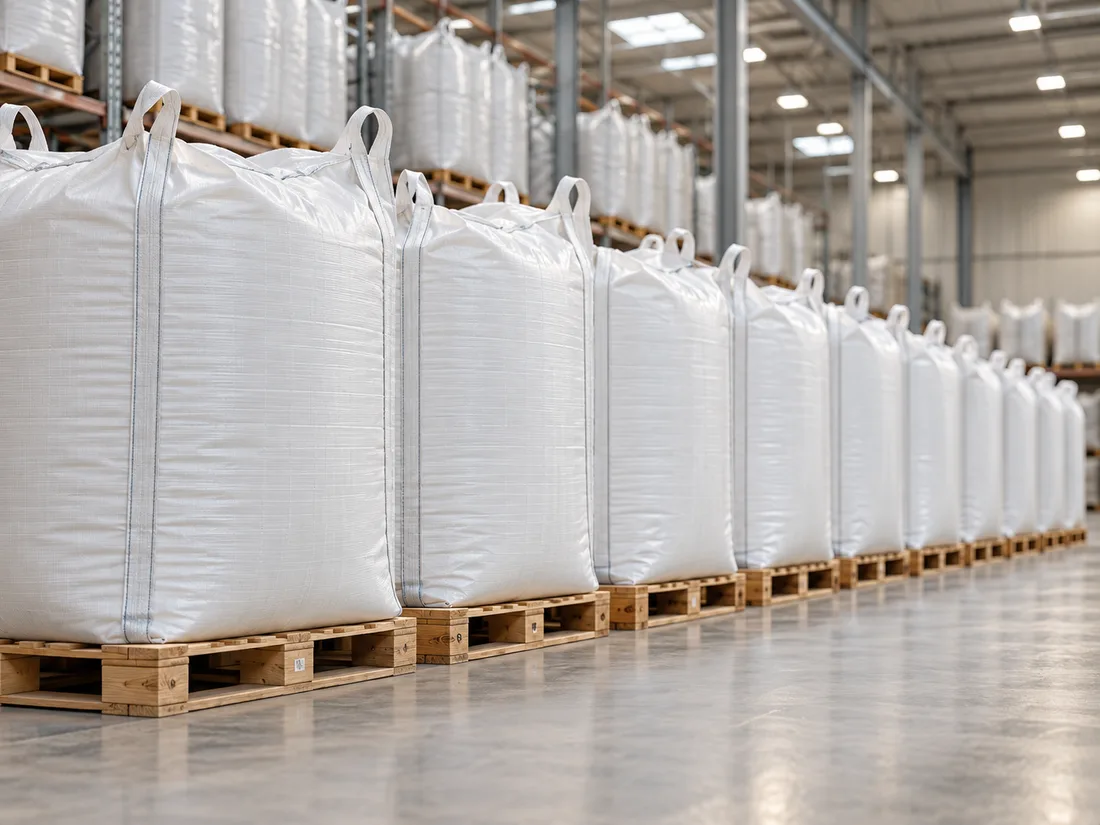
Plan bulk pecan receiving around the product form, package and unloading setup. Protect kernels from humidity, contamination and unnecessary handling, and use storage guidance specific to the offered product rather than relying on a universal shelf-life assumption.
Read the guideEvaluate salmon oil for pet food by matching its intended-use grade, verified fatty-acid profile and processing to the formula. A research-diet inclusion level is not a commercial rate; review the offered product documentation and the complete recipe before setting one.
Read the guidePlan bulk blueberry powder receiving with clear quantity, destination, packaging and unloading details, then protect the lot from moisture and contamination using its specific storage guidance.
Read the guide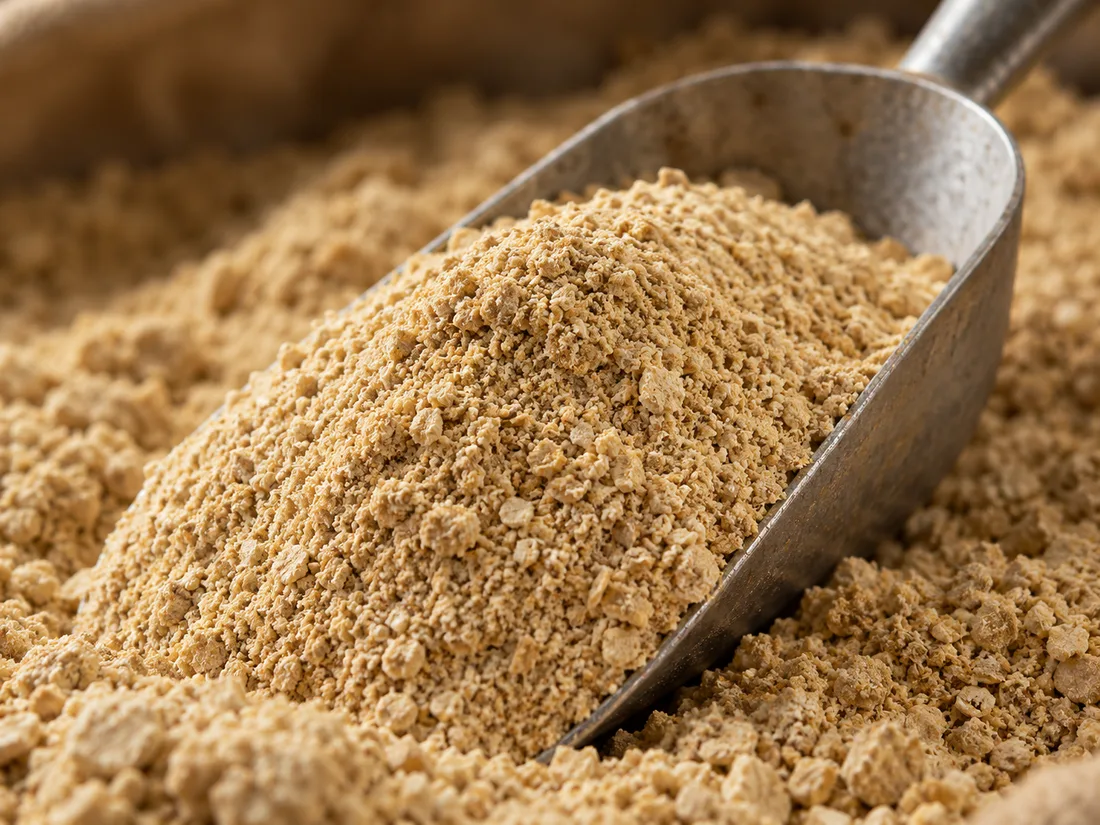
Frame a sourcing conversation around formulation requirements, source consistency, and your delivery program.
Read the guidePlan bulk oats delivery around the product form, compatible receiving equipment, protection from moisture and contamination, and the records your destination requires.
Read the guideA practical guide to comparing crystalline sugar specifications, including how category, test method and measurement basis shape the meaning of each result.
Read the guideExplore ingredient specifications or share your volume, delivery needs, and buying requirements.