
How to compare WPC 70 and WPC 80 specifications
Compare WPC 70 and WPC 80 by aligning protein basis and test method, then reviewing moisture, lactose, fat and ash. Add functional data only when it matches the needs of your process.
Read the guidePractical guides to ingredients, specifications, and the questions worth asking before you buy.
Better ingredients.
Better questions.
Stronger connections.
Compare WPC 70 and WPC 80 by aligning protein basis and test method, then reviewing moisture, lactose, fat and ash. Add functional data only when it matches the needs of your process.
Read the guideCompare plum puree and pieces by their role in a recipe, the preparation and process each requires, and the specifications food manufacturers should define before sourcing.
Read the guideA practical guide to defining medium sunflower chips with sieve openings, fraction tolerances, fines, kernel identity and comparable lot analysis.
Read the guideAssessing amaranth grain for poultry feed requires matching the study material and diet to the grain lot being considered. Treatment, bird type, ration context and lot analysis determine how useful the evidence is.
Read the guideFresh maternal colostrum and processed colostrum powder have different roles in calf nutrition. Understand how timing, processing and product-specific IgG results shape a meaningful comparison.
Read the guide
Prepare for bulk spray-dried egg powder by matching the offered package to your unloading and powder-transfer equipment, protecting the powder from moisture, and following product-specific storage and shelf-life directions.
Read the guidePlan bulk cashew kernel receiving around packaging, unloading capability, destination, and timing. Protect kernel quality by limiting moisture and oxygen exposure during handling and storage.
Read the guideCompare peanut meal analyses by matching product identity, processing route and moisture basis before evaluating protein, fat, energy or aflatoxin documentation.
Read the guidePlan bulk soybean oil delivery around your site’s receiving equipment, storage capacity and intended use. Confirm shipment format, unloading arrangements, timing and product records before delivery.
Read the guide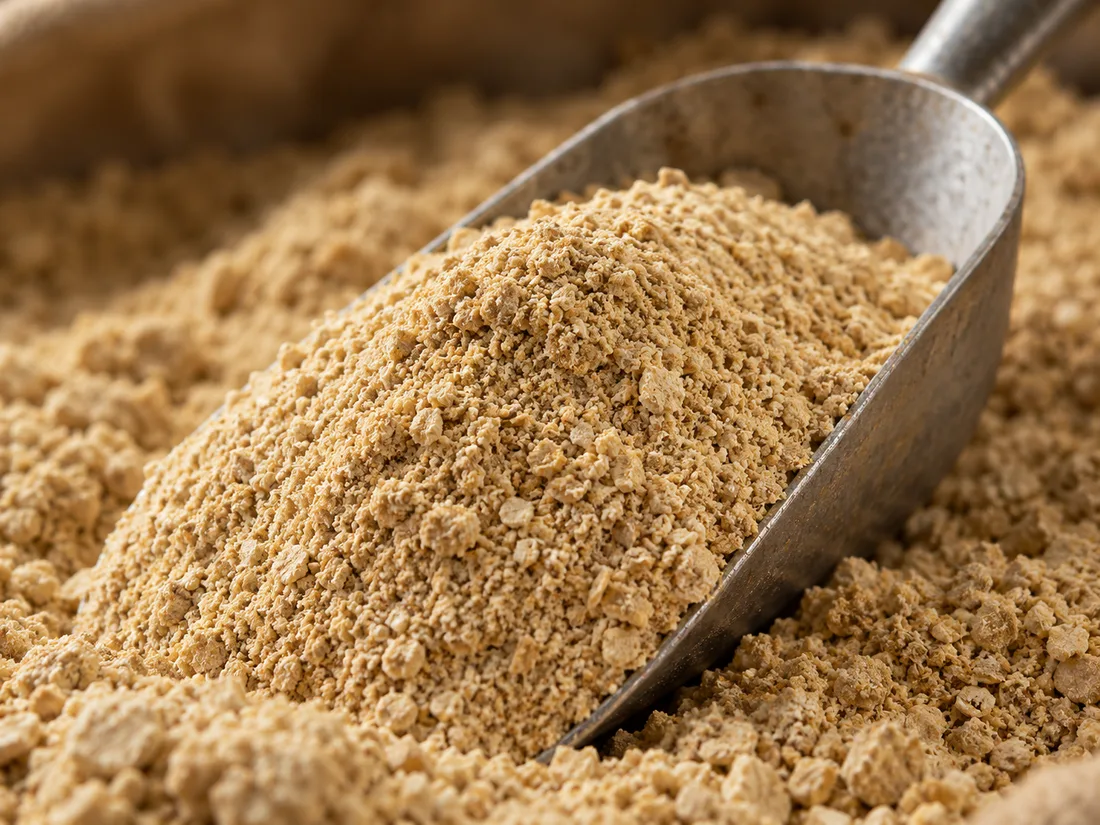
Dried distillers grains can add protein and energy to beef rations, but their sulfur and phosphorus contributions affect whole-ration decisions. Learn what analyses to consider and why calcium balance matters before sourcing a product.
Read the guideCompare almond hulls and hull-and-shell offers by checking the product description, analysis basis and lot-specific results. Fiber and ash can inform questions about composition but do not prove shell content.
Read the guidePlan oatmeal receiving and storage around the exact oat form, packaging and facility setup. Packaged rolled-oat guidance is not a substitute for lot-specific instructions for bulk bins or ground oat meal.
Read the guideExplore ingredient specifications or share your volume, delivery needs, and buying requirements.