Two forms, different roles
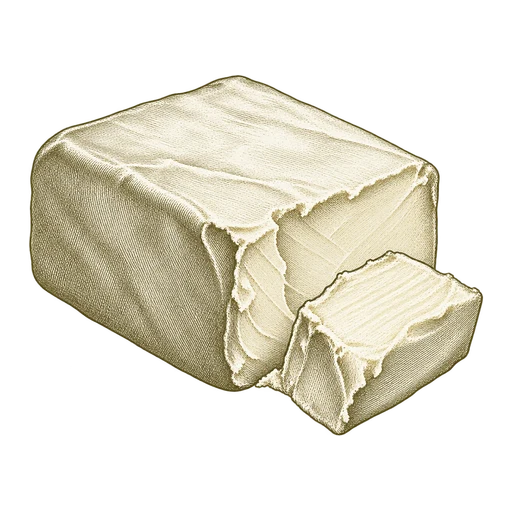
Fresh maternal colostrum is the first milk produced by a cow after calving. It is a time-sensitive source of antibodies, including immunoglobulin G (IgG), for the newborn calf. Colostrum powder is a processed, dried ingredient made from colostrum. It offers a stored ingredient form, but it is not simply fresh colostrum with the water removed: collection and processing affect what remains in the finished product.
For calf nutrition decisions, distinguish the biological role of colostrum at birth from the sourcing and formulation role of a powder. A product’s name alone does not establish that it is intended to replace maternal colostrum in a newborn feeding protocol. Product purpose, processing and measured IgG content all matter.
Why timing matters for fresh colostrum
A newborn calf’s ability to absorb antibodies from colostrum changes with time after birth. This makes the timing of the first colostrum feeding a central part of neonatal calf management, rather than a detail that can be treated as interchangeable with feeding a colostrum-derived ingredient later.
Fresh maternal colostrum also varies between cows and collections. Its quality and handling are not guaranteed by appearance or by the fact that it is fresh. A farm’s protocol should specify how colostrum is evaluated, handled and fed, with guidance from a veterinarian or qualified animal-nutrition professional.
Processing changes what a powder represents
Colostrum powder is made by processing and drying colostrum. The ingredient can be convenient to store and incorporate into a formulation compared with a fresh liquid, but processing history matters because heat and other process conditions can affect protein components, including antibodies. The word “powder” does not reveal which process was used or how much functional IgG remains.
Powders may also differ in intended use. A product sold as a colostrum-derived feed ingredient is not automatically a complete colostrum replacer, nor is every powder intended for the same calf-feeding purpose. Before comparing offers, establish the product’s declared use and the manufacturer’s directions. Do not assume that a powder and fresh maternal colostrum can be substituted on an equal-weight or equal-volume basis.
Read IgG results in context
IgG analysis is more informative for comparing colostrum products than a general protein figure alone. Protein includes more than IgG, so a protein result cannot be treated as an antibody measurement. Ask what the reported IgG value represents, how it was measured, and whether the result applies to the specific product or lot being considered.
A useful comparison also identifies the reporting basis and test method. A concentration expressed on one basis cannot be compared directly with a result expressed on another without understanding the difference. If the supplier provides only a general product description or total-protein result, the calf-feeding role and IgG contribution remain unclear. The figures should be reviewed against the intended use by someone qualified to advise on calf nutrition.
Make the feeding decision before the purchase
For a newborn calf, use a calf-management protocol that addresses the timing and purpose of colostrum feeding; do not let ingredient availability determine the protocol. Where fresh maternal colostrum is being evaluated, assess it within that management plan. Where a processed powder is under consideration, verify its stated use, processing information, directions and product-specific IgG analysis.
For a bulk ingredient purchase, tell the broker whether the powder is intended for a calf nutrition formulation or another use, and specify the analysis and documentation needed for that purpose. The actual product specification, packaging and commercial terms depend on the offer. To evaluate the processed ingredient, see the [Colostrum Powder ingredient page](/ingredients/colostrum-powder).
Common questions.
Is colostrum powder interchangeable with fresh maternal colostrum?+
No. They differ in form, processing history and potentially measured IgG content, and a powder’s intended use must be established. Do not assume it replaces fresh colostrum in a newborn calf protocol or use an equal-weight substitution without qualified guidance.
Why is IgG analysis important when comparing colostrum powders?+
IgG is a specific antibody measure, while total protein includes other proteins and cannot stand in for an IgG result. Compare the stated test method and reporting basis, and establish whether the analysis represents the particular product or lot.
Can a protein result show how much IgG a colostrum powder contains?+
No. Protein and IgG are related measures but are not equivalent. A protein result alone does not establish the powder’s IgG content; request an IgG-specific analysis when that measure is relevant to the intended calf nutrition use.