
Cull onions: comparing moisture and dry-matter analysis
Learn how moisture changes the dry matter represented by a cull onion load and how to compare nutrient analyses reported on different bases.
Read the guide
Practical guides to ingredients, specifications, and the questions worth asking before you buy.
Better ingredients.
Better questions.
Stronger connections.
Learn how moisture changes the dry matter represented by a cull onion load and how to compare nutrient analyses reported on different bases.
Read the guideWheat bran contributes fiber, energy and phosphorus to swine rations, but its formulation value depends on the offered lot’s analysis and how the nutritionist accounts for energy and phosphorus availability.
Read the guideA practical guide to evaluating rapeseed meal in cattle, swine and poultry diets, from the offered analysis and glucosinolate results to animal group and whole-ration fit.
Read the guideCompare rice starch composition and viscosity results in context: test preparation, moisture basis and instrument conditions determine whether reported values can be meaningfully compared.
Read the guide
A practical guide to planning bulk striped sunflower seed receiving: define the form and size, align packaging with unloading capacity, inspect the lot on arrival and protect it in clean, segregated storage.
Read the guideLearn how to compare chicken fat lot-analysis fields without confusing fatty-acid composition, moisture, residue and oxidation measures.
Read the guidePlan a pork meal order around your facility’s quantity, receiving equipment, acceptable product form and storage conditions. Request lot-specific moisture and handling information before arranging delivery.
Read the guideCompare whole kernels, splits and smaller raw peanut pieces for bird food blends, and match the form to the finished product’s appearance and mixing process.
Read the guide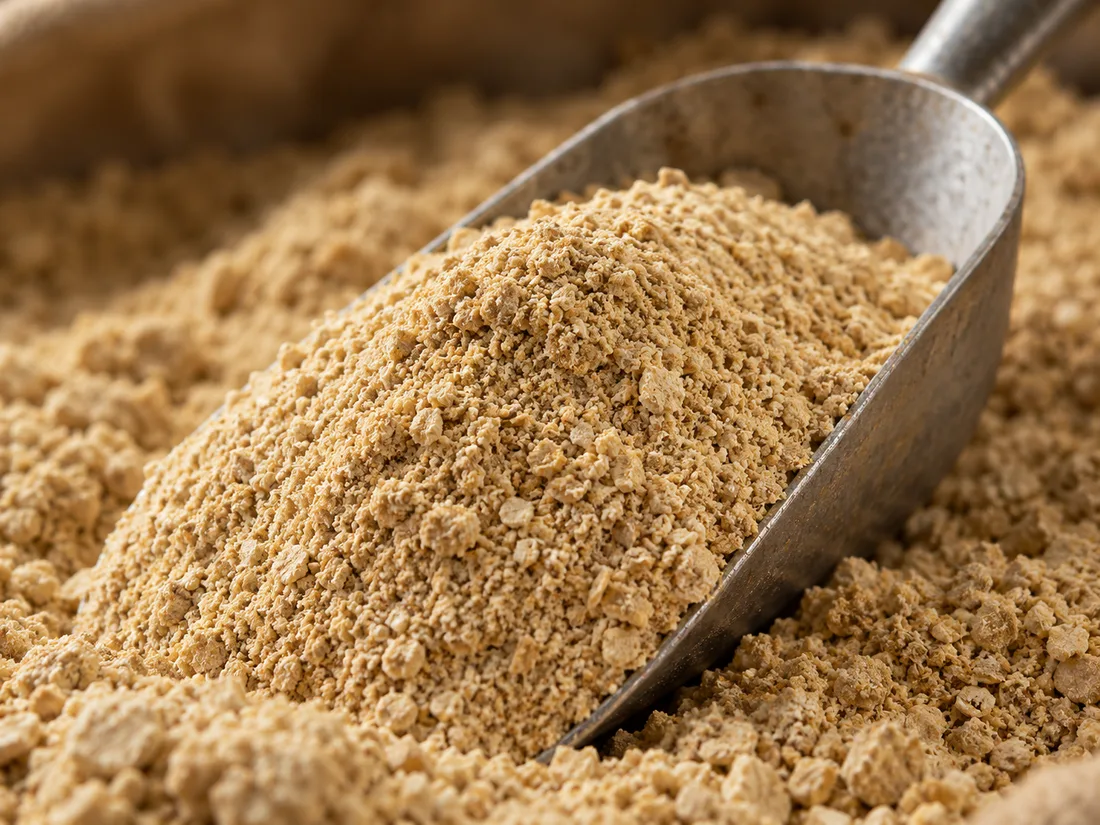
Dried distillers grains can add protein and energy to beef rations, but their sulfur and phosphorus contributions affect whole-ration decisions. Learn what analyses to consider and why calcium balance matters before sourcing a product.
Read the guidePlan dried distillers grains receiving around the product’s moisture and particle characteristics, bin design, unloading equipment and expected storage time to reduce caking and bridging disruptions.
Read the guideRed seed color is an identity and appearance detail, not a full grade. Compare red proso lots by physical condition, processing form and lot-specific feed analysis, with each measurement and reporting basis defined for the intended use.
Read the guideCompare calf milk replacer components by identity, source, processing and analytical basis. Learn why raw-material values and finished-replacer analysis answer different questions.
Read the guideExplore ingredient specifications or share your volume, delivery needs, and buying requirements.