
Planning bulk chickpea protein receiving and storage
Plan chickpea protein receiving around the order details, facility constraints, product-specific storage information and traceable lot records.
Read the guide
Practical guides to ingredients, specifications, and the questions worth asking before you buy.
Better ingredients.
Better questions.
Stronger connections.
Plan chickpea protein receiving around the order details, facility constraints, product-specific storage information and traceable lot records.
Read the guideCompare whole, cracked, rolled and ground red milo for cattle rations. Learn how the hard sorghum kernel makes processing a practical choice for ration formulation, feed equipment and bulk purchasing.
Read the guidePrepare for bulk flaxseed delivery by aligning packaging and unloading with your facility, reviewing lot condition and arranging clean, appropriate storage.
Read the guideCompare peanut oil processing descriptions, fatty-acid profiles and oxidation measures to define quality criteria for your frying operation.
Read the guideCompare corn gluten feed pellet analyses on a consistent moisture basis, and read each nutrient measure for the distinct formulation question it answers. A reference value is not a substitute for the offered lot’s COA.
Read the guideA practical framework for comparing black soldier fly larvae oil analysis: distinguish relative fatty-acid profiles from total content, interpret free fatty acids by their stated basis, and review moisture, impurities and unsaponifiable matter with method and lot context.
Read the guide
Learn how moisture changes the dry matter represented by a cull onion load and how to compare nutrient analyses reported on different bases.
Read the guide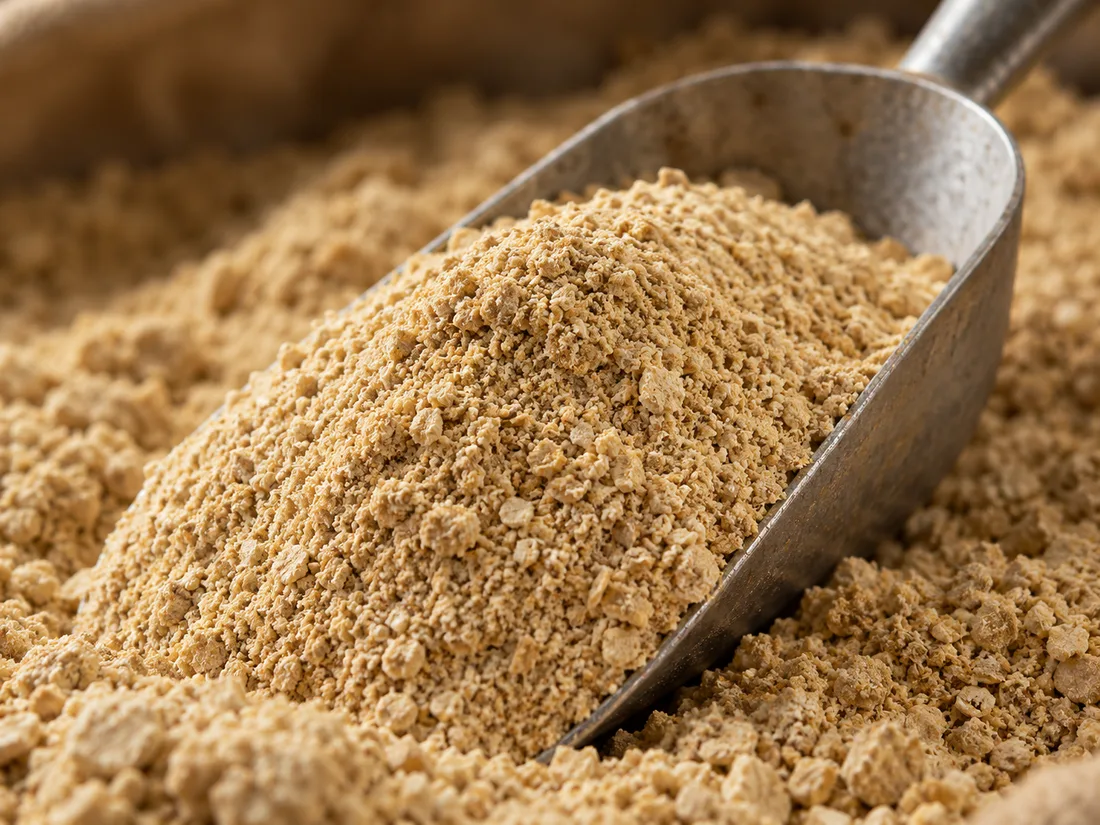
Soybean meal protein percentages reported as-fed and on a dry-matter basis cannot be compared directly. Align moisture, reporting basis, method information, and the context of each COA before evaluating supplier values.
Read the guide
Alfalfa pellets and long-stem hay differ in physical form as well as in how buyers inspect and compare them. Learn which composition and forage-analysis questions to take to a nutritionist before sourcing pellets for a horse’s feeding program.
Read the guideCompare apple pomace analyses on a consistent basis. Learn how moisture, dry matter, crude protein, ADF and energy estimates inform lot-to-lot decisions.
Read the guideCompare whole Brazil nut kernels, chips and broken pieces by visibility and how they enter bakery and confectionery production. Define the piece distribution your recipe and line need before sourcing.
Read the guideA practical guide to defining whole or hulled striped sunflower seed and comparing lot condition, size and yield on a consistent basis.
Read the guideExplore ingredient specifications or share your volume, delivery needs, and buying requirements.