
Planning bulk receiving and storage for milk thistle seed
Plan bulk milk thistle seed receiving around the botanical identity, exact product form, order details, facility constraints, and storage guidance for the offered lot.
Read the guide
Practical guides to ingredients, specifications, and the questions worth asking before you buy.
Better ingredients.
Better questions.
Stronger connections.
Plan bulk milk thistle seed receiving around the botanical identity, exact product form, order details, facility constraints, and storage guidance for the offered lot.
Read the guidePlan anhydrous milk fat receiving around the offered liquid or granular form, compatible unloading equipment, product-specific handling instructions and manufacturer date guidance.
Read the guide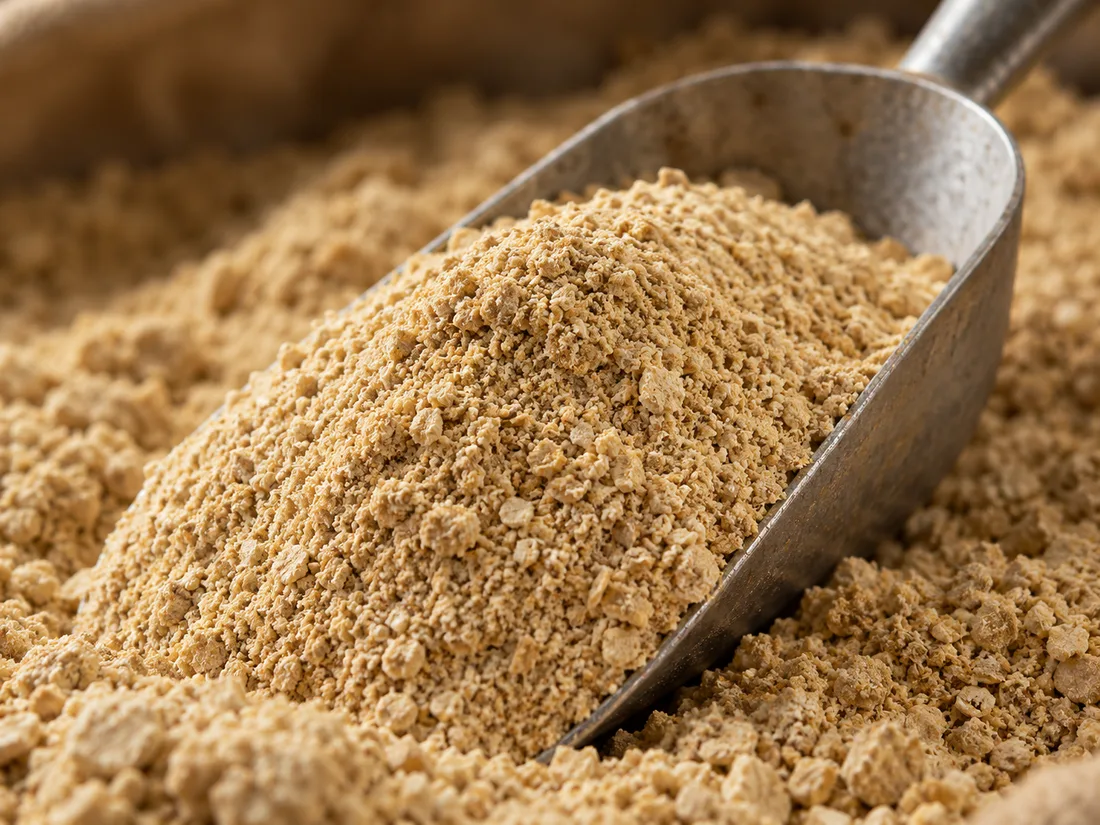
Whole soybeans retain their oil, while soybean meal is the solid residue after oil extraction. That difference affects each ingredient’s role in a livestock ration, and whole beans also require attention to heat treatment. Compare the specific product and intended animal with a nutritionist before choosing a form.
Read the guideWhey permeate can contribute lactose and minerals to a swine ration, but its role depends on pig stage, product analysis, form, and the rest of the formula. See the formulation questions buyers and nutritionists should resolve before sourcing.
Read the guideCompare whole and split French green lentils by the appearance and texture your finished food requires, then validate cooking behavior with the offered lot and your production process.
Read the guideCompare sweet and acid whey powder by processing identity first, then evaluate protein, lactose, fat, moisture, ash and acidity using consistent units, measurement bases and methods.
Read the guidePeanut hull pellets supply processed fiber, but their compact form is not equivalent to long-stem hay. Understand the physical-fiber distinction and discuss the pellets’ role in the full cattle ration with a ruminant nutritionist.
Read the guideFresh vines, wet processing residues, ensiled mixtures and dried sweet potato roots differ in moisture, preservation and handling. Match the product identity and delivery condition to your facility’s unloading and storage capabilities.
Read the guideCompare the peanut granule characteristics that shape chocolate and biscuit formulations—piece size, fines, roast profile, blanch status and salt—then use the offered specification and product trials to define a sourcing request.
Read the guideCompare pumpkin ingredient offers by plant part, processing form and analytical basis. Pulp, peel, seeds and mixed residues have distinct characteristics, while moisture and particle size affect how specifications should be read.
Read the guide
Compare quinoa offers by first matching the product form, then evaluating moisture, particle size, foreign material, protein reporting basis and any relevant saponin-processing or test information.
Read the guidePea flour can change pasta dough hydration and structure, so formulation decisions depend on the flour’s physical characteristics and the complete recipe and process. Learn what to review and test before scaling up.
Read the guideExplore ingredient specifications or share your volume, delivery needs, and buying requirements.