
Bulk milo receiving and storage: planning the grain order
Plan bulk milo delivery around site capacity, inspect grain condition at receipt, and monitor moisture, odor, insects, and heating in storage.
Read the guide
Practical guides to ingredients, specifications, and the questions worth asking before you buy.
Better ingredients.
Better questions.
Stronger connections.
Plan bulk milo delivery around site capacity, inspect grain condition at receipt, and monitor moisture, odor, insects, and heating in storage.
Read the guideAvocado material findings in goats, dogs and cattle are not interchangeable. The fruit fraction, processing, species and study methods determine what a result can support—and whether it helps evaluate a particular meal.
Read the guidePrepare a bulk red proso millet order by matching its form and quantity to your receiving equipment, destination, and storage capacity. Lot-specific shipment arrangements and storage guidance should shape the final plan.
Read the guideWheat middlings can contribute fiber and bulk to gestating-sow diets and energy, protein and fiber to beef cattle rations. Their role depends on species, ration design and the actual lot analysis.
Read the guidePrepare a receiving plan for bulk filberts by specifying the product form, shipment details, facility limits and storage instructions applicable to the exact product and package.
Read the guideLoose and pelleted cottonseed hulls differ in bulkiness and receiving needs. Compare the form with your storage capacity and unloading setup, and include lot moisture information in storage planning.
Read the guideEvaluate salmon oil for pet food by matching its intended-use grade, verified fatty-acid profile and processing to the formula. A research-diet inclusion level is not a commercial rate; review the offered product documentation and the complete recipe before setting one.
Read the guidePlan bulk rice receiving around the exact milling form and kernel condition, your facility’s unloading setup, and dry, protected storage.
Read the guide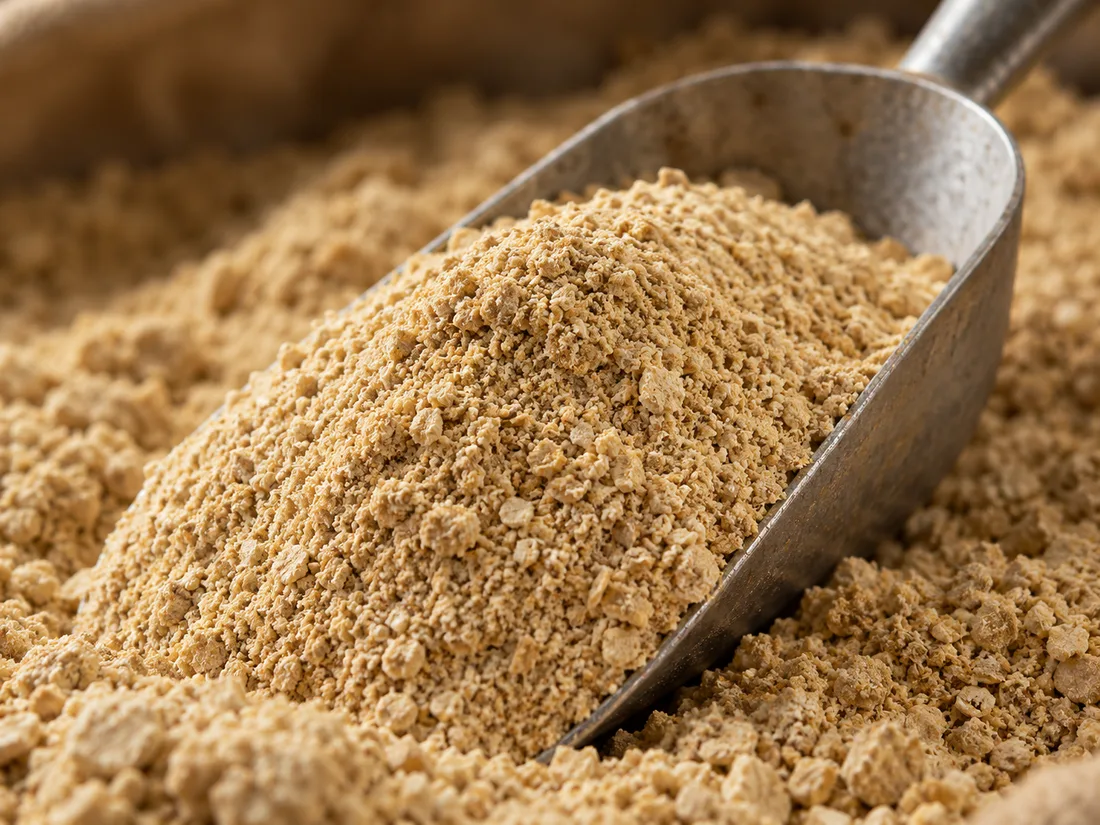
Whole soybeans retain their oil, while soybean meal is the solid residue after oil extraction. That difference affects each ingredient’s role in a livestock ration, and whole beans also require attention to heat treatment. Compare the specific product and intended animal with a nutritionist before choosing a form.
Read the guideCompare whole, split, dehulled and milled green lentils by seed structure and particle form, then specify the option that fits your cooked-food or ingredient process.
Read the guideBefore considering cull onions in a cattle ration, assess the specific lot’s form, condition, dry matter and nutrient analysis alongside the complete diet and onion-specific safety concerns. Historical trial levels are not general feeding recommendations.
Read the guideAnhydrous milk fat can be evaluated in butter-referenced formulations, but it supplies concentrated dairy fat rather than butter’s combined fat, water and milk solids. Understand those differences, then test the recipe’s process and sensory targets.
Read the guideExplore ingredient specifications or share your volume, delivery needs, and buying requirements.