Start with the way the ingredient enters your process
Soy protein concentrate is not one interchangeable physical form. Powder, granules, bits and texturized forms differ in particle structure and how they are added, dispersed or incorporated into a food process. The right choice depends first on the job the ingredient must do and the equipment and process steps it will pass through.
For a dry blend, particle size and flow can affect how an ingredient feeds into a mixer and distributes among other ingredients. In a hydrated system, the order and conditions of addition can affect dispersion and the time available for hydration. In a structured food, a texturized form may be selected for its physical structure rather than treated as a simple powder addition. These are different process questions, so a product description alone is not enough to predict performance.
Powder, granules and bits: physical form matters
Powder is the most finely divided option among these forms. It can be appropriate when a process calls for a dry ingredient that can be blended or dispersed, but the actual result depends on the powder’s particle characteristics, the liquid or dry system, and the mixing sequence. Fine particles can also behave differently during conveying and feeding than larger particles, so consider the plant’s handling equipment as well as the recipe.
Granules and bits are larger particles, but those names do not establish a uniform size or structure across suppliers. Ask how the offered form is described and whether its particle profile suits the feeder, mixer or finished product. If the ingredient must hydrate, determine whether the process can accommodate the time and conditions needed for the specific material; do not assume a larger particle will behave like powder or that all granules disperse the same way.
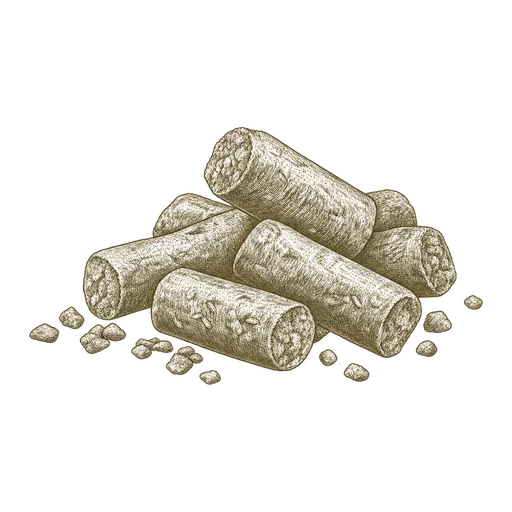
Texturized soy protein concentrate is structurally different from a non-texturized powder or granule. Its expanded or fibrous physical structure is relevant when the ingredient is intended to contribute a meat-like bite or visible pieces in a formulated food. Buyers should distinguish texturized concentrate from a conventional concentrate that will be dispersed into a mixture: they are not simply different particle sizes of the same processing choice.
Match functional information to the actual application
Functional data are useful only when they answer a process-specific question. If the ingredient will be mixed into a liquid, ask for information relevant to dispersibility, hydration or the behavior the formula needs. If it will be incorporated into a dough, batter or other structured matrix, identify the relevant mixing and heating steps. If the goal is a texturized inclusion, focus on the physical form and behavior of that texturized product in the intended product and process.
Soy protein concentrate products can differ in processing history and physical properties. A test result from one form or processing route should not be treated as a guarantee for another. When reviewing data, establish the product identity and form, the test method and conditions, and whether the test resembles the plant’s intended use. Where results are available, compare like with like rather than relying on an isolated number without its method or context.
Keep formulation trials tied to the intended process. A sample incorporated through a different addition order, hydration step or mixing setup may not represent routine production. Record the form and lot used alongside the trial conditions so that a promising result can be translated into a clear product requirement.
Questions to resolve before selecting a form
Describe the ingredient’s role in the finished food: dispersed protein, part of a dry blend, or a texturized piece. Then map how it moves through production, including storage and feeding, mixing, any hydration step, and subsequent heating or forming. That process map will quickly show whether particle size, structure, wetting behavior or other functional properties need particular attention.
For a powder, granule or bit, ask for the offered physical description and the data relevant to blending, feeding or hydration in your process. For a texturized form, clarify the desired piece structure and how it will be incorporated into the finished product. In every case, request information for the specific product and processing route being considered, rather than assuming a broad category name defines functionality.
A practical comparison should include the product’s identity and processing description, the physical form, available functional data and test methods, and any handling details that affect receiving or production. Exact values, documentation, packaging and commercial terms depend on the specific offer, so establish them for the lot under consideration.
Make the sourcing description process-ready
A useful inquiry tells the supplier or broker what the ingredient must do and what form the plant can handle. Include whether you need powder, granules, bits or a texturized product; the application and process steps; the key functional questions; and any relevant quality or documentation requirements. Specify quantity, delivery destination, timing, packaging preference and receiving constraints so the commercial response can address the actual order.
Once the required form and process data are clear, compare available offers against the same product identity and evaluation criteria. To explore bulk options, continue to the <a href="/ingredients/soy-protein-concentrate">Soy Protein Concentrate sourcing page</a>.
Common questions.
Can soy protein concentrate powder and granules be used interchangeably?+
Not without checking the process. Powder and granules differ in particle size and may behave differently during feeding, blending and hydration. Compare the specific product descriptions and relevant functional data against the equipment and addition steps used in your plant.
When should a food buyer consider texturized soy protein concentrate?+
Consider a texturized form when the application calls for a structured ingredient or distinct pieces rather than a protein material intended mainly for dispersion. The required structure and its performance should be evaluated in the specific food and process.
What functional data should I request for soy protein concentrate?+
Request data that address the product’s intended role, such as behavior during dispersion or hydration for a mixed system, or relevant structural characteristics for a texturized application. Ask for the product identity, test method and conditions so results can be compared meaningfully.