Grains
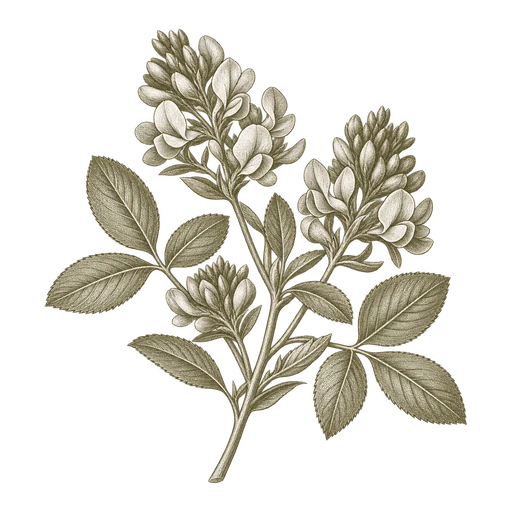
Alfalfa
Alfalfa is a forage legume sourced as hay, silage, meal or pellets for livestock feed. Match the form to receiving and ration needs, then compare a lot-specific analysis on a consistent basis.
Explore ingredientPlan bulk pearled barley receiving around the material, site capacity and storage protections. Define the quantity, destination, packaging and unloading needs, then keep the grain dry, clean and identifiable after receipt.
A workable bulk pearled barley requirement tells a supplier how much material is needed, where it must arrive and what the receiving site can handle. State the quantity and unit, delivery destination and preferred timing. Then identify the required product form and intended use so the offer can be evaluated against the right operating conditions.
Pearled barley is barley processed to remove some or most of its outer bran layers. The degree of pearling and the resulting kernel characteristics can differ between products, so specify pearled barley rather than relying on the broader term “barley.” If your process depends on a particular kernel appearance, degree of processing or analysis, describe that requirement separately from the quantity and delivery details.
Timing matters because the receiving team needs to coordinate the delivery with available unloading capacity and space in the designated storage area. Provide any site access restrictions or receiving windows that affect an arrival. These details help the broker assess the request without presuming a shipment schedule or delivery arrangement.
Before requesting a quote, determine how your facility can receive the material: for example, whether it is equipped to handle loose bulk grain, packaged units, or only a particular package configuration. Do not assume a preferred format will be available; state the facility requirement so packaging and delivery options can be discussed against it.
Describe the unloading method and the equipment or connections the receiving team expects to use. Include constraints such as where a vehicle can position, whether the receiving point is enclosed, and how material moves from the unloading point to storage. Those practical details can reveal a mismatch between the proposed package and the site before an order is arranged.
For packaged material, clarify how units are moved from the delivery point into storage and whether the site can keep them protected while awaiting use. For loose grain, make sure the receiving path leads to the correct bin or transfer system. The appropriate plan depends on the actual offer and facility; packaging size, shipment mode and unloading equipment should not be assumed.
Pearled barley is a dry grain ingredient, so keep the receiving and storage area dry and protected from water entry. Inspect the intended bin or storage space before arrival for residue from previous contents, standing water, roof or wall leaks, and other conditions that could introduce moisture or foreign material. Resolve issues before loading the area with new product.
Use clean transfer equipment and a receiving route that limits contact with unrelated materials. If the barley is intended for food manufacture, account for the facility’s food-safety and allergen-control procedures: barley contains gluten, so prevent unintended contact with products that must be kept separate under the site’s controls. For feed use, apply the facility’s feed-ingredient handling procedures instead.
Keep the product protected during internal movement as well as in storage. Avoid leaving open packages or exposed grain where water, dust or other contaminants can reach it. Storage duration and conditions depend on the material and facility environment; do not assign a shelf life or storage limit without product-specific support.
At unloading, compare the delivered product description and package identification with the purchase requirement. Note visible package damage, signs of moisture exposure or foreign material, and keep the lot identity connected to the receiving record. These checks help the team identify an obvious handling or identity issue; they do not replace a quality analysis.
If a specification or analysis is needed for production or feed formulation, establish which measures matter before purchase and make sure the relevant lot information is available for review. Feed-related storage and use decisions should reflect the actual pearled barley material and its analysis, not a generic barley assumption. Keep lots identifiable when separation is needed for inventory control or formulation.
A complete request brings product, quantity and site logistics together: specify pearled barley and its intended use, provide quantity and unit, name the destination and preferred timing, and describe the package and unloading method your facility can receive. Add storage constraints and any quality measures that affect acceptance or downstream use.
Use the [pearled barley sourcing page](/ingredients/pearled-barley) to begin a complete requirement. A broker can discuss the specific product offer and commercial details, including whether its packaging and delivery arrangement suit your receiving site.
Include the product form and intended use, quantity and unit, destination, preferred timing, acceptable packaging, unloading method and any site access or storage constraints. Add the quality measures needed to accept or use the material.
Keep it in a clean, dry area protected from water entry and contamination. Use the facility’s appropriate handling controls, and base storage duration and conditions on the actual material and site environment rather than assuming a universal shelf life.
Yes. Feed formulation and handling decisions should reflect the identity and analysis of the material actually received. Keep lot information connected to the product and follow the facility’s feed-ingredient procedures.
Focused guides to the specification, application, and delivery questions behind this ingredient.
Pearling affects barley’s kernel, cooking behavior and nutrient retention. Learn how to evaluate the form for cooked dishes and when its distinct texture can suit a rice-style application.
Read this InsightA practical guide to defining pearled barley by processing description, kernel dimensions, moisture, broken kernels and foreign material—and matching lot documentation to your food process.
Read this InsightAlfalfa is a forage legume sourced as hay, silage, meal or pellets for livestock feed. Match the form to receiving and ration needs, then compare a lot-specific analysis on a consistent basis.
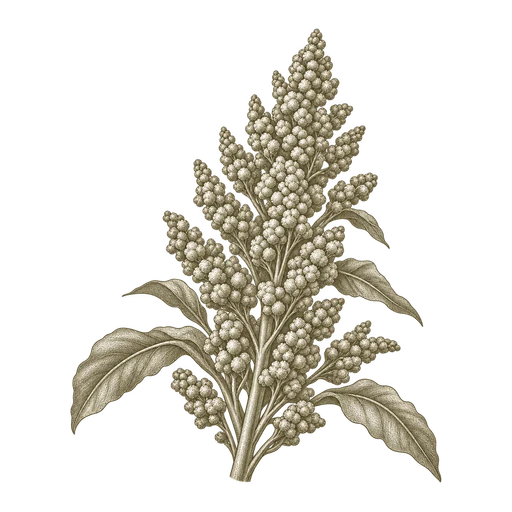
Explore ingredientAmaranth can be sourced as grain, leaf meal or whole-plant forage, and those forms are not interchangeable in feed formulation. Specify the plant material, species and processing method, then compare lot analysis suited to the intended animal and use.
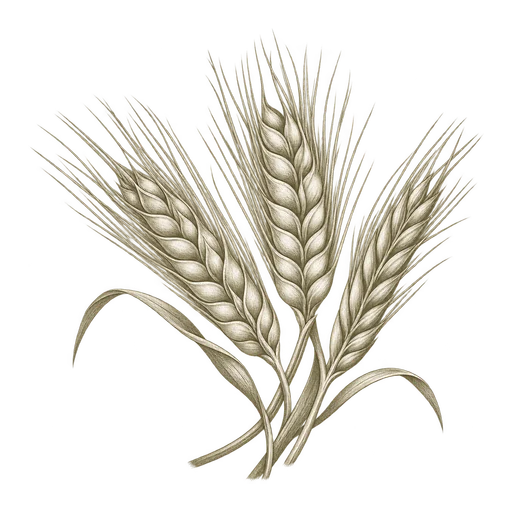
Explore ingredientBarley is a cereal grain used in cattle feed, malting, food and industrial processing. Whole and processed forms serve different needs; identify the intended use, processing state and receiving requirements when sourcing a bulk order.
Explore ingredientBrewers rice is a broken-rice milling fraction used in brewing, fermented products and animal feed. Compare broken, granulated or ground forms and review lot-specific physical and analytical details before sourcing in bulk.
Explore ingredient