Grains
Alfalfa
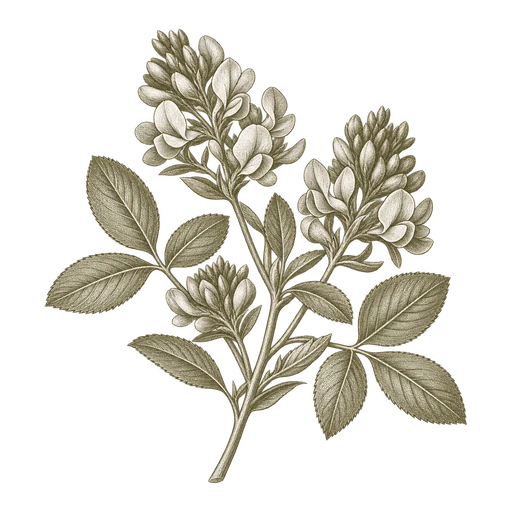
Alfalfa is a forage legume sourced as hay, silage, meal or pellets for livestock feed. Match the form to receiving and ration needs, then compare a lot-specific analysis on a consistent basis.
Explore ingredientA lot-specific framework for evaluating pea screenings in swine rations, from sample inspection and nutrient results to animal class, foreign material and whole-diet balance.
Pea screenings are not interchangeable with whole field peas. Screenings are a separated fraction from handling or cleaning, and their proportions of small or broken peas, other crop material and foreign matter can vary. That variation makes the identity and condition of the specific lot central to a swine ration decision.
Begin with a representative sample and a visual inspection. Note whether the material looks reasonably uniform, and look for excess dust, clumping, damaged material, insects, or visible seeds and debris that do not belong. Record unusual color or odor and investigate it rather than treating appearance as a substitute for analysis. A clean-looking sample still needs nutrient evaluation; inspection cannot tell you the lot’s energy or amino-acid contribution.
Ask for a clear description of what the screenings contain and how the lot was sampled. Where foreign material is present, its identity and amount matter: it can dilute the useful feed fraction, affect handling, or make the material unsuitable for the planned use. Do not assume that a label such as “pea screenings” establishes a consistent composition.
Field peas can contribute protein and energy in feed, but those general characteristics do not establish the composition of a screenings lot. A screening fraction may differ from whole peas in the proportions of pea material, hulls, broken kernels and other constituents. Formulate from the lot’s own analysis rather than transferring a book value for whole peas directly to the screenings.
Review the laboratory report for moisture, crude protein, fat, fiber, ash and starch or other energy-related measures available for the ingredient. These results help describe the material and its place in the ration, but no single number represents its full feeding value. For a swine formulation, amino-acid information—especially the amino acids used to balance the diet—can be important when estimating how the ingredient contributes to the ration’s protein supply.
Check whether results are reported as-fed or on a dry-matter basis. Those bases are not directly interchangeable: moisture changes the nutrient concentration delivered per unit of ingredient as-fed. Use a consistent basis when comparing screenings with other ingredients and when entering values into the formulation system. If a result is estimated rather than measured, distinguish it from laboratory data.
A lot should be judged against the needs of the animals receiving it, not against a generic claim that peas are suitable for swine. Piglets, growing and finishing pigs, and breeding animals have different ration objectives. The nutritionist should consider the class, production stage, expected intake and the rest of the diet before deciding whether the measured nutrient profile fits.
For each class, examine which nutrients the screenings would supply and which they would displace. Protein concentration alone does not show whether the amino-acid balance meets the formulation target. Likewise, an energy estimate should be considered alongside fiber and the ingredient’s other measured characteristics. The actual decision is whether the lot helps meet the complete ration’s nutrient specifications without creating an unwanted imbalance.
Avoid setting an inclusion rate from the ingredient name alone. A defensible rate depends on the lot analysis, the animal class, other ration ingredients and the nutritionist’s formulation constraints. No performance outcome follows automatically from using screenings; it depends on the finished ration and how it is manufactured and fed.
Foreign material deserves its own review rather than being hidden inside an average nutrient result. Ask what is included, how it was assessed and whether the reported analysis represents the material as delivered. If the sample contains inconsistent pockets of screenings or debris, a single test result may not describe the whole lot well; representative sampling and clear sampling records help make comparisons more meaningful.
Then evaluate the screenings as one component of the whole ration. Consider their contribution to energy, protein and amino acids, and the effect of fiber, ash and moisture on the finished formulation. Account for what they replace: a substitution can change multiple nutrient contributions at once. Rebalance the complete formula rather than adding screenings on top of an otherwise fixed diet.
If the inspection or analysis raises a specific concern, define the question before ordering additional tests. Depending on the lot’s known history and condition, a nutritionist may need targeted testing beyond routine nutrient analysis. Testing should address an identified risk or formulation need, not serve as a general assurance about every lot.
For a useful comparison, specify the intended swine class and the nutrient targets the ingredient needs to support. Request the lot’s ingredient description, representative analysis, reporting basis, sampling information and details of identified foreign material. State any additional testing needed for the particular formulation and explain whether you need results measured on the lot or values estimated from other data.
Also define the required physical form, quantity and unit, destination, timing and how the facility receives and stores feed ingredients. These details help connect the formulation decision to a practical order. Commercial details such as available lots, packaging, timing and delivered cost depend on the specific offer and destination.
Once the ration criteria are clear, compare the lot data against them and source a match rather than buying on a broad category description. Visit the [pea screenings sourcing page](/ingredients/pea-screenings) to describe the required analysis, foreign-material limits and delivery details for a lot under consideration.
Not as a direct substitute for a lot analysis. Screenings can contain different proportions of pea material and other fractions than whole field peas, so evaluate the specific lot and keep measured results distinct from estimates.
Review moisture, protein, fat, fiber, ash and available energy-related measures, along with amino-acid information relevant to the formula. Check whether values are reported as-fed or on a dry-matter basis, and assess foreign material separately.
No universal rate follows from the ingredient name. The decision depends on the lot’s composition, the animal class, the other ration ingredients and the complete diet’s formulation targets.
Focused guides to the specification, application, and delivery questions behind this ingredient.
Plan pea screenings receiving around the offered form, particle variation, fines, facility equipment, packaging and moisture protection. Verify the lot’s condition and handling guidance rather than relying on whole-pea assumptions.
Read this InsightCompare pea screenings nutrient results on a consistent reporting basis, interpret energy methods carefully, and look beyond grade names to understand the lot’s pea and foreign-material fractions.
Read this InsightAlfalfa is a forage legume sourced as hay, silage, meal or pellets for livestock feed. Match the form to receiving and ration needs, then compare a lot-specific analysis on a consistent basis.
Explore ingredientAlfalfa meal is ground forage used in animal feed, with sun-cured and dehydrated processing routes and meal or pellet forms. Compare the offered process, physical form and analysis against the needs of the species and feed formulation.
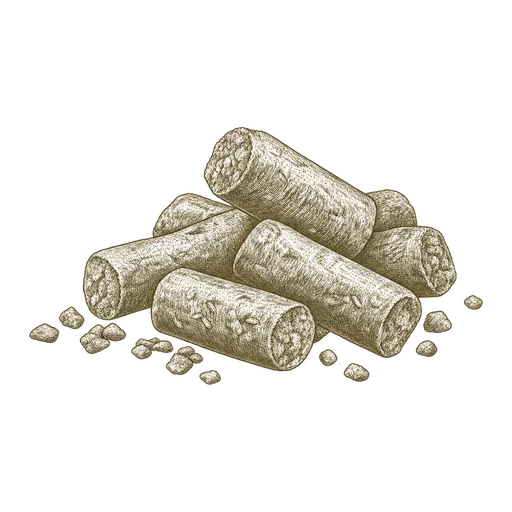
Explore ingredientAlfalfa pellets are ground, compressed forage used in livestock feeding and compound feeds. Compare the drying process, alfalfa material, forage analysis and pellet characteristics to choose a form that fits your ration and receiving setup.
Explore ingredientAlmond hulls are the dried outer layer of the almond fruit, sourced for ruminant feed as hull-only material or as a hull-and-shell mixture. Compare the lot’s composition, physical form, and handling needs before arranging a bulk shipment.
Explore ingredient