Grains
Alfalfa
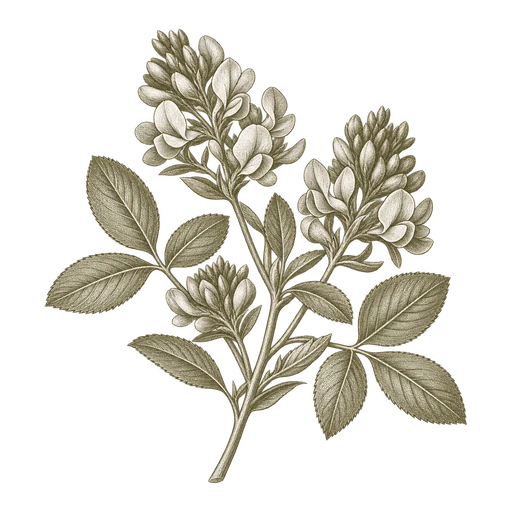
Alfalfa is a forage legume sourced as hay, silage, meal or pellets for livestock feed. Match the form to receiving and ration needs, then compare a lot-specific analysis on a consistent basis.
Explore ingredientCompare oat flour by its finished-flour particle-size profile, test method, processing history and analysis basis. These details help buyers judge how a flour may blend, disperse and contribute to texture without treating a nominal grind or grain analysis as a complete specification.
For bulk oat flour, “fine” or “coarse” is not enough to predict performance. Ask for the particle-size distribution and the method used to measure it. A sieve analysis separates flour into fractions retained on or passing through specified screens; the results describe how much of the sample falls into each fraction. A single nominal sieve size can conceal a broad distribution.
Grind affects how flour blends with other dry ingredients, disperses when added to liquids and contributes to finished texture. A finer grind generally has more surface area exposed, which can change wetting and hydration. Coarser particles remain more perceptible in a finished product. Neither finer nor coarser is automatically better: the useful profile depends on the recipe, mixing sequence and texture target.
Compare offers only when the results use the same measurement approach and reporting basis. Sieve results and particle-size readings from other methods are not interchangeable by default. If the supplier reports a sieve profile, clarify the screen sizes and the proportion retained or passing at each screen; if a different method is used, request the method and the way its results are expressed.
Oat flour is milled from oats, but measurements taken on the incoming grain do not automatically describe the finished flour. Grain moisture, protein or other intake results can help characterize the raw material; they do not substitute for a finished-product analysis after milling and any heat treatment. For a purchasing specification, identify whether each value applies to the grain or to the flour being offered.
Ask for the finished-flour test basis as well as the result. Moisture, protein, fat and fiber can be reported on an as-received or dry-matter basis, and values on different bases cannot be compared directly without conversion. The basis matters when aligning an ingredient specification with a formula, setting acceptance criteria or comparing lots.
For recipe-sensitive products, identify which composition measures matter to your process. Protein and fiber can help distinguish flour lots for formulation purposes; fat may matter where flavor stability is important. If beta-glucan is a target, specify that it should be measured in the flour and identify the assay basis. Do not assume that a general grain analysis or a product name establishes a particular composition.
Milling determines particle size, while the oat’s processing history can also affect how the flour behaves. Heat treatment may be used in oat processing to limit enzyme activity and can influence flavor and functional behavior. Therefore, flour with a similar sieve profile may not behave identically if the processing history differs.
When heat treatment matters to the finished product, ask what treatment the flour has received and whether it occurred before or after milling. Compare samples or specifications with the same process context where possible. Do not infer treatment from color, particle size or a general description such as “oat flour.”
Finished-flour moisture is a practical quality measure because it affects the as-received ingredient and can complicate comparisons when reports use different bases. Request the test method and basis, then apply the acceptance criterion your operation needs rather than assuming a universal oat-flour limit.
Include sensory condition in the specification when flavor or odor matters. Oat flour should be assessed as the delivered flour, not judged solely from a grain sample or description. Record the expected color, characteristic aroma and absence of off-odors or visible foreign material that would make the flour unsuitable for your process. Sensory observations complement, but do not replace, particle-size and laboratory results.
A clear comparison request should name the intended flour form, the particle-size method and profile, finished-product analysis measures, test methods and reporting basis. Add process or heat-treatment details if they affect your recipe, plus sensory criteria that can be assessed on receipt. This gives a supplier a defined basis for presenting an offered lot without implying that a particular grade or numerical limit is universal.
For procurement, provide your required quantity and unit, destination, timing and receiving arrangement alongside the quality criteria. Ask that any analysis be tied to the specific lot being offered and distinguish reported results from target limits. The exact analysis, processing details and commercial terms depend on the offer.
If you are comparing a flour specification with the physical form and food uses available, visit the Oat Flour ingredient page. It is the natural next step for buyers evaluating bulk oat flour options.
Focused guides to the specification, application, and delivery questions behind this ingredient.
Plan a bulk oat flour order around your facility's quantity needs, receiving equipment and dry storage space. Verify the offered packaging and lot-specific handling guidance before arranging delivery.
Read this InsightA practical formulation guide to evaluating oat flour’s grind, hydration, flavor and structural effects in batters and baked goods.
Read this InsightAlfalfa is a forage legume sourced as hay, silage, meal or pellets for livestock feed. Match the form to receiving and ration needs, then compare a lot-specific analysis on a consistent basis.
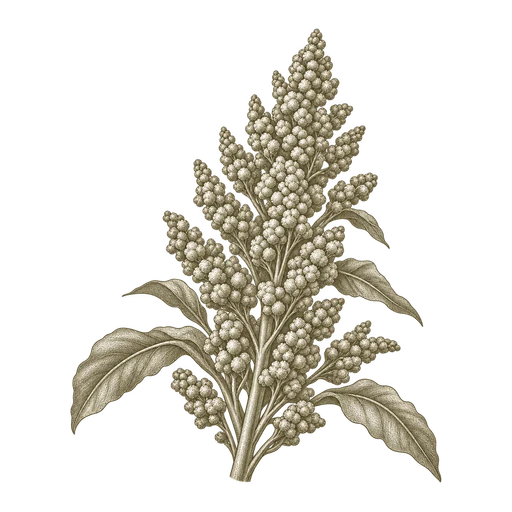
Explore ingredientAmaranth can be sourced as grain, leaf meal or whole-plant forage, and those forms are not interchangeable in feed formulation. Specify the plant material, species and processing method, then compare lot analysis suited to the intended animal and use.
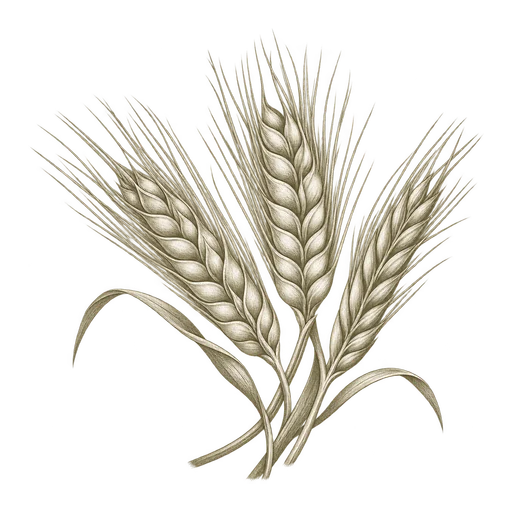
Explore ingredientBarley is a cereal grain used in cattle feed, malting, food and industrial processing. Whole and processed forms serve different needs; identify the intended use, processing state and receiving requirements when sourcing a bulk order.
Explore ingredientBrewers rice is a broken-rice milling fraction used in brewing, fermented products and animal feed. Compare broken, granulated or ground forms and review lot-specific physical and analytical details before sourcing in bulk.
Explore ingredient