Whole fruit or pieces
Whole figs retain a recognizable fruit shape for presentation, while pieces can be incorporated throughout bakery and confectionery mixtures. Choose by the texture and appearance your process requires.
Ingredient intelligence · quote-ready sourcing
Also searched as Common fig
Dried figs are sourced whole or as pieces for bakery, confectionery and dried-fruit uses. Compare style, treatment, moisture and lot condition, then match packaging and storage to your receiving operation.

Dried figs are Ficus carica fruit from which most moisture has been removed. Bulk forms include whole fruit and pieces; whole figs may be loose, flattened or shaped. Fresh figs and fig leaves are distinct products.
White-type varieties include Adriatic, Calimyrna and Kadota, while Mission is a black type. Dried figs may be sulphured or otherwise bleached, but treatment is not uniform. These distinctions matter when appearance, ingredient declarations or recipe format are specified.
Whole figs retain a recognizable fruit shape for presentation, while pieces can be incorporated throughout bakery and confectionery mixtures. Choose by the texture and appearance your process requires.
White-type and black-type figs differ in color and named varieties. Identifying the desired type helps align the incoming fruit with the appearance expected in a finished product.
Dried figs may be sulphured or otherwise bleached, but some are untreated. Treatment information matters when a recipe or product declaration sets limits on processing aids or appearance.
Moisture, defects, foreign material, flavor and odor affect how a lot compares for processing and storage. Review these characteristics alongside the offered grade and lot analysis.
| Characteristic | Why it matters |
|---|---|
| Form and style | Whole loose, flattened or shaped styles, and pieces suit different processing and presentation needs. |
| Variety and color type | Helps match fruit appearance to the intended recipe or finished product. |
| Moisture | Relevant to product condition and storage; compare results on a stated measurement basis. |
| Condition and defects | Size, maturity, defects, foreign material, flavor, odor, mold and infestation affect lot acceptance. |
| Treatment and intended use | Clarifies whether fruit has been sulphured or bleached and whether the lot is intended for the buyer’s application. |
The USDA dried-fig standard provides voluntary grades and packaging-dependent moisture limits. A grade standard does not establish that a particular lot was inspected, graded or meets a buyer’s specification.
A useful comparison covers moisture, style, variety or color type, size, maturity, defects, foreign material, flavor and odor, and signs of mold or infestation. Moisture is especially relevant to storage and product condition. Ask that results be reported with the measurement method and basis so different offers can be compared consistently.
The USDA dried-fig standard provides voluntary grades for whole fruit and pieces, with moisture limits that depend on the standard’s packaging group and, in a specified case, use of a suitable mold inhibitor. Those limits are not a universal purchase specification or proof that an offered lot has been graded. Set the moisture and grade requirements for your use, and compare them with the lot’s documentation.
Human-food applications and animal-feed uses need separate decisions. Historical mention of dried figs as a dairy-cow feed does not establish a current feeding recommendation, safe inclusion rate or suitability for a particular species. Evidence about fig-tree leaves also does not establish the feeding value of dried fruit.
For food manufacturing, define the intended use and any required microbial, mycotoxin, pest-control or foreign-material checks. A food-grade description or a voluntary dried-fig grade alone does not establish suitability for animal feed or pet food.
Dried figs take up moisture if their packaging does not protect them from humid conditions. Household preservation guidance favors moisture-vapor-proof packaging and cool, dry, dark storage, but it does not set commercial warehouse conditions or a bulk shelf life. For a commercial lot, obtain storage guidance and shelf-life basis for the actual product and package.
Before arranging delivery, identify whether your receiving operation can handle the proposed package and how the fruit will be protected after unloading. Packaging, seal integrity, storage conditions and pest controls all matter to maintaining the lot’s condition. Commercial packaging, order quantities and delivered terms depend on the specific offer.
Dried figs can be incorporated into bakery products and bread. Whole fruit and pieces create different distributions and presentations; select the form that matches the recipe’s cutting, mixing and finished-texture needs.
Dried figs are used in chocolate and confectionery products. Fruit form and appearance influence how the fig is presented or distributed, while treatment and lot condition should align with the product’s ingredient requirements.
Whole dried figs can be sold or incorporated as dried fruit. Variety, color, size and condition affect the appearance and consistency expected in a packed product.
Specify whole figs or pieces, the preferred style or variety, quantity and units, destination, and delivery timing. Include moisture, treatment or grade requirements because they distinguish which lots meet the intended use.
State the packaging your receiving operation can handle and any unloading constraints. Ask for package details and seal information for the offered lot so the receiving plan accounts for protecting dried fruit from moisture.
Plan for moisture-vapor protection and cool, dry, dark storage, and obtain conditions and shelf-life guidance for the actual product and package. Keep packaging intact during handling and include pest-control and contamination-prevention practices in the storage plan.
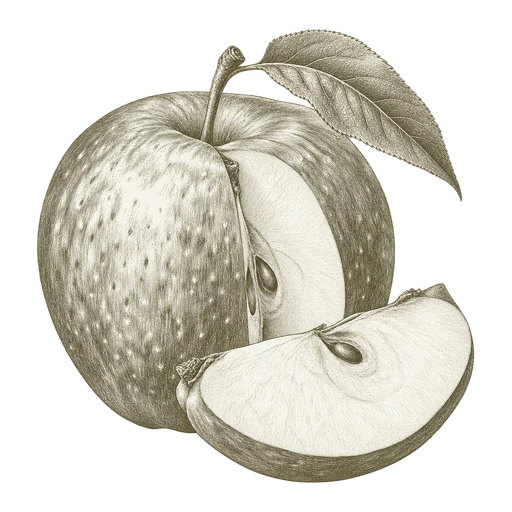
Bulk apples can mean whole fruit, culled apples, dried forms or apple pomace—the residue from pressing apples. Specify the form and intended use first, then compare grade or lot analysis, preservation, receiving needs and storage requirements.
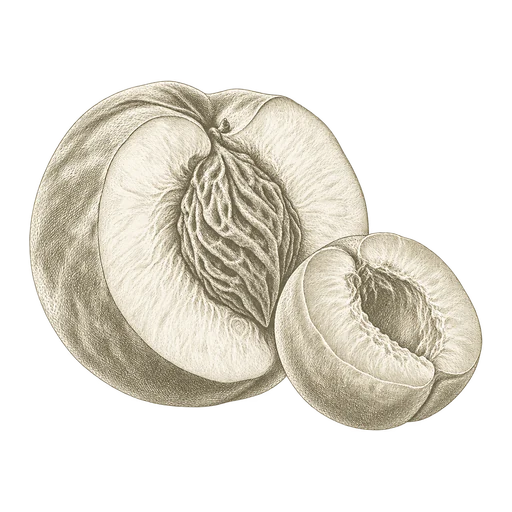
Explore ingredientApricots are sourced fresh or processed into dried fruit and other food forms. Match the form, cut, treatment and quality measures to the intended use, then plan receiving and storage around the product’s handling needs.
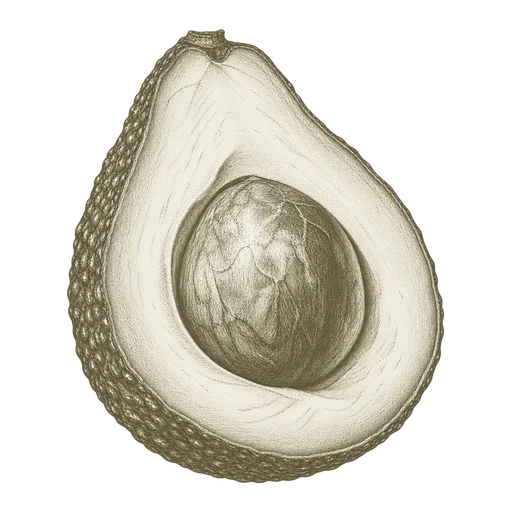
Explore ingredientAvocado feed materials include distinct forms such as pulp-and-peel by-product, peel meal and dried meal. Fraction, processing, intended species and handling needs determine what analysis and safety information matter before a bulk purchase.
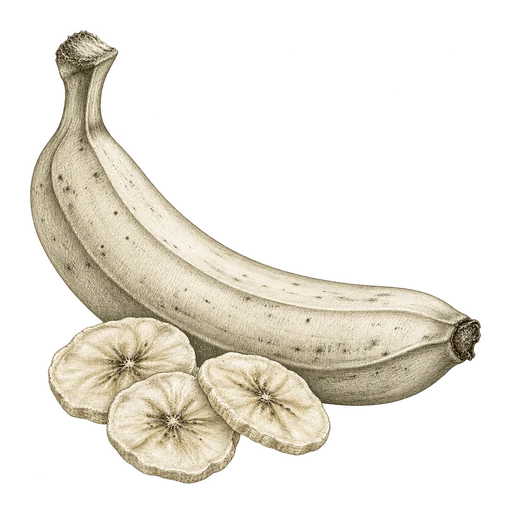
Explore ingredientBanana chips include both fried snack slices and dried banana products for food preparation or flour. Identify the process, added ingredients, and intended use before comparing quality measures and bulk shipment terms.
Explore ingredientRecognized forms include whole loose figs, flattened or shaped whole figs such as pulled or layered styles, and pieces. Identify the form your process needs; the specific forms offered depend on the lot.
Compare moisture, style, variety or color type, size, maturity, defects, foreign material, flavor and odor, and signs of mold or infestation. Ask for the measurement basis and lot documentation. A voluntary grade standard is not proof that a particular lot was graded.
Protect dried figs from moisture and use storage conditions and packaging guidance supplied for the actual lot; household storage guidance is not a commercial warehouse specification. Delivered pricing depends on the offered form and quality requirements, quantity, packaging, destination and timing.
Send your volume, destination, and key specifications. A broker can follow up with availability and commercial terms.