
Planning bulk soybean hulls receiving and storage
Plan bulk soybean hulls delivery around the difference between bulky loose hulls and denser pellets, with receiving capacity, unloading, dust and moisture protection in mind.
Read the guide
Practical guides to ingredients, specifications, and the questions worth asking before you buy.
Better ingredients.
Better questions.
Stronger connections.
Plan bulk soybean hulls delivery around the difference between bulky loose hulls and denser pellets, with receiving capacity, unloading, dust and moisture protection in mind.
Read the guideCompare mango kernel meal by analysis basis, nutrient measures, processing history and targeted antinutritional-factor tests—not by unsourced reference values.
Read the guidePlan a bulk corn order around the form your facility can receive, the shipment’s lot condition and the time the grain will remain in storage. Clear details on quantity, destination, timing and unloading help align the order with your operation.
Read the guide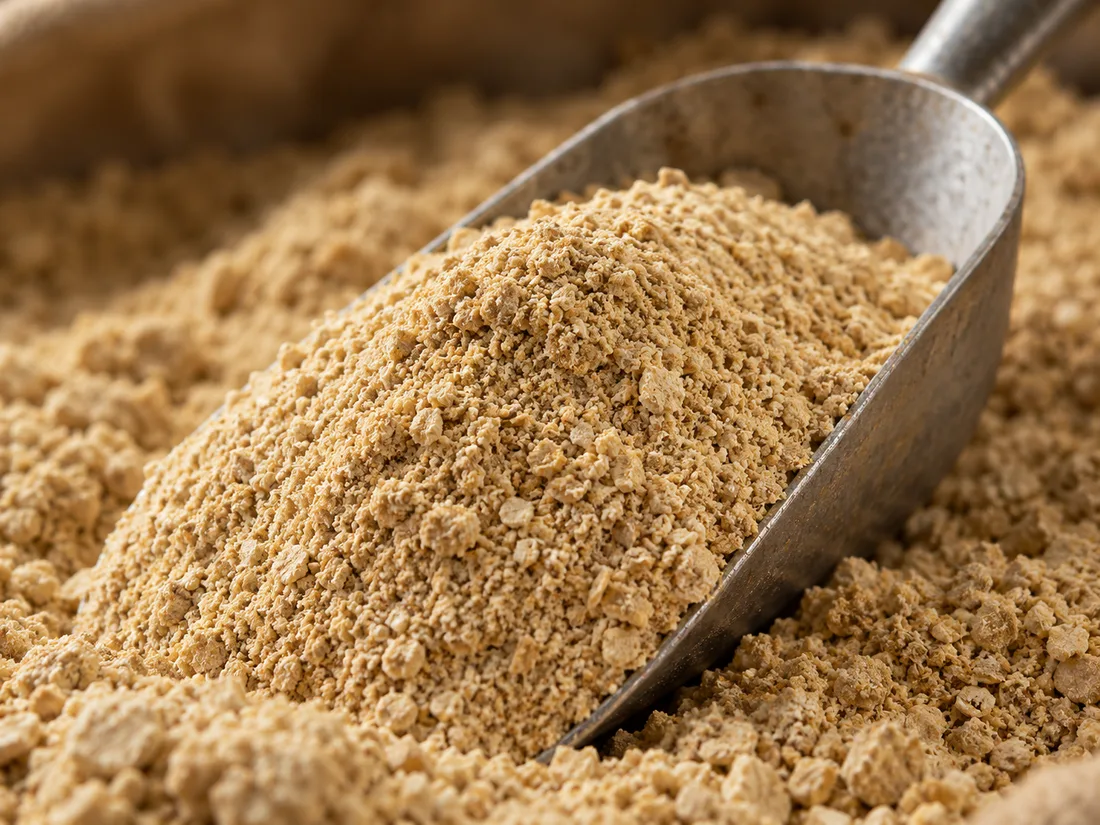
Dried distillers grains can add protein and energy to beef rations, but their sulfur and phosphorus contributions affect whole-ration decisions. Learn what analyses to consider and why calcium balance matters before sourcing a product.
Read the guidePlan bulk suet cake ingredient receiving around the exact product form, order quantity, destination, packaging compatibility and storage conditions. Heat, moisture and pests are practical handling concerns for fat-based ingredients.
Read the guideCompare cheese powder composition and process behavior with the right measures: ingredient identity, analytical basis, physical properties and application-specific functional tests.
Read the guide
Compare green lentil lots by separating class, grade and special-grade claims from the measured qualities that affect processing. Moisture, defects, foreign material and color are useful only when the methods and reporting basis are clear.
Read the guideGround-kernel almond meal and oil-extraction press cake can behave differently in bakery blends. Understand the material’s origin and residual oil, then evaluate water absorption and dough stability in the intended formula.
Read the guidePlan shipment of a Japanese ingredient by first identifying the exact commodity, then matching its form and quantity to the destination, receiving setup, intended use and product-specific handling needs.
Read the guideHull content changes safflower meal’s fiber profile and can affect its energy contribution. Compare the actual product analysis and assess it separately for ruminant, poultry, or swine rations.
Read the guideA practical comparison of watermelon seed flour specifications, showing how plant part, processing, composition, particle size and reporting basis distinguish offers.
Read the guideCompare pear pomace for ruminant feed by aligning moisture and nutrient results on the same analytical basis, then interpreting protein, fiber, sugars, ash and condition in the context of a current lot.
Read the guideExplore ingredient specifications or share your volume, delivery needs, and buying requirements.