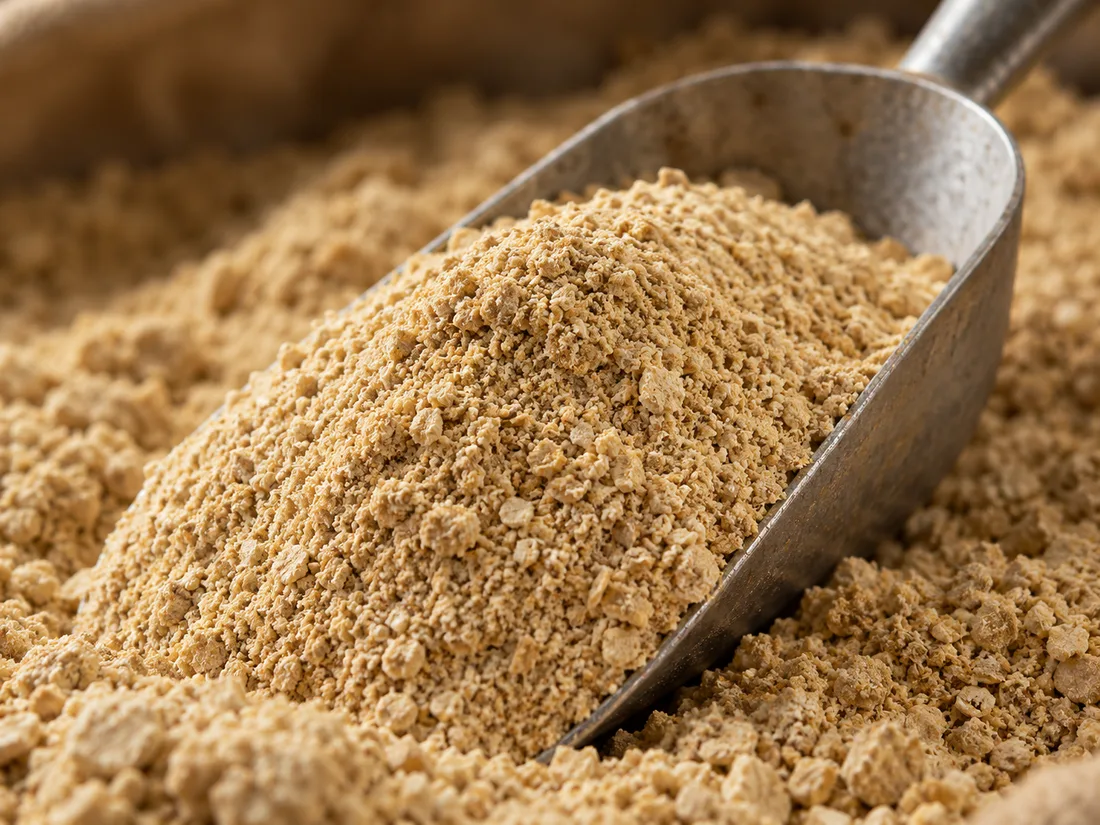
How to compare dried distillers grains lot analyses
A practical guide to comparing dried distillers grains analyses on a consistent basis, with attention to product identity, moisture, nutrients, minerals and relevant testing.
Read the guide
Practical guides to ingredients, specifications, and the questions worth asking before you buy.
Better ingredients.
Better questions.
Stronger connections.
A practical guide to comparing dried distillers grains analyses on a consistent basis, with attention to product identity, moisture, nutrients, minerals and relevant testing.
Read the guide
Prepare a clear flour order around the product description, quantity, destination, receiving setup and packaging details. Plan to keep the flour dry and protected from contamination, and obtain storage guidance for the specific offer.
Read the guideA practical comparison of pumpkin powder starts with plant-part identity, then checks processing, moisture basis, particle size and relevant composition results. These details help buyers distinguish offers without mistaking a study result or product name for a lot specification.
Read the guidePlan bulk buttermilk powder receiving around package compatibility, lot information and safe unloading. Keep the powder protected from moisture and elevated temperatures, and follow the storage instructions for the specific product.
Read the guideSee how dry split green peas enter soup and prepared-food processes, and why split integrity, fines, color, moisture and analysis basis matter when choosing an ingredient for manufacturing.
Read the guideA practical guide to managing moisture and fines in bulk black-oil sunflower seed, coordinating airflow and monitoring, and preparing the receiving site.
Read the guideStorage planning for bulk millet depends on form: intact grain calls for measured moisture and mold prevention, while wholemeal flour also needs protection from conditions that encourage rancidity.
Read the guideFlour form does not prove kidney beans were heat-treated. Learn which process and product details formulators should verify before specifying treated kidney bean flour.
Read the guideCompare salmon oil fatty-acid and oxidation results on a like-for-like basis: check the EPA and DHA denominator, read peroxide and anisidine values separately, and treat ToTox as a combined indicator rather than a substitute for its components.
Read the guideFor bakery and confectionery, specify whole poppy seed when your process requires intact, visible seeds. Distinguish it from oil-extraction cake or meal, then define the intended use and the quality information your process requires.
Read the guideCompare pea fiber specifications on more than the headline fiber number. Source fraction, analytical method, reporting basis, particle size and water-binding test conditions all shape what a result means.
Read the guideA practical guide to dextrose’s possible taste and carbohydrate roles in pet food, with attention to species, particle size, processing and the product details formulators should compare.
Read the guideExplore ingredient specifications or share your volume, delivery needs, and buying requirements.