
Which dried plum specifications matter to bulk buyers?
A practical guide to comparing bulk dried plum specifications by form, grade, size, moisture basis, defects, pit fragments and treatment.
Read the guidePractical guides to ingredients, specifications, and the questions worth asking before you buy.
Better ingredients.
Better questions.
Stronger connections.
A practical guide to comparing bulk dried plum specifications by form, grade, size, moisture basis, defects, pit fragments and treatment.
Read the guideCompare beet pulp shreds analysis on a consistent basis. Learn how moisture, protein, fiber, sugars and minerals inform purchasing decisions, and how to verify whether a product includes molasses or other additions.
Read the guide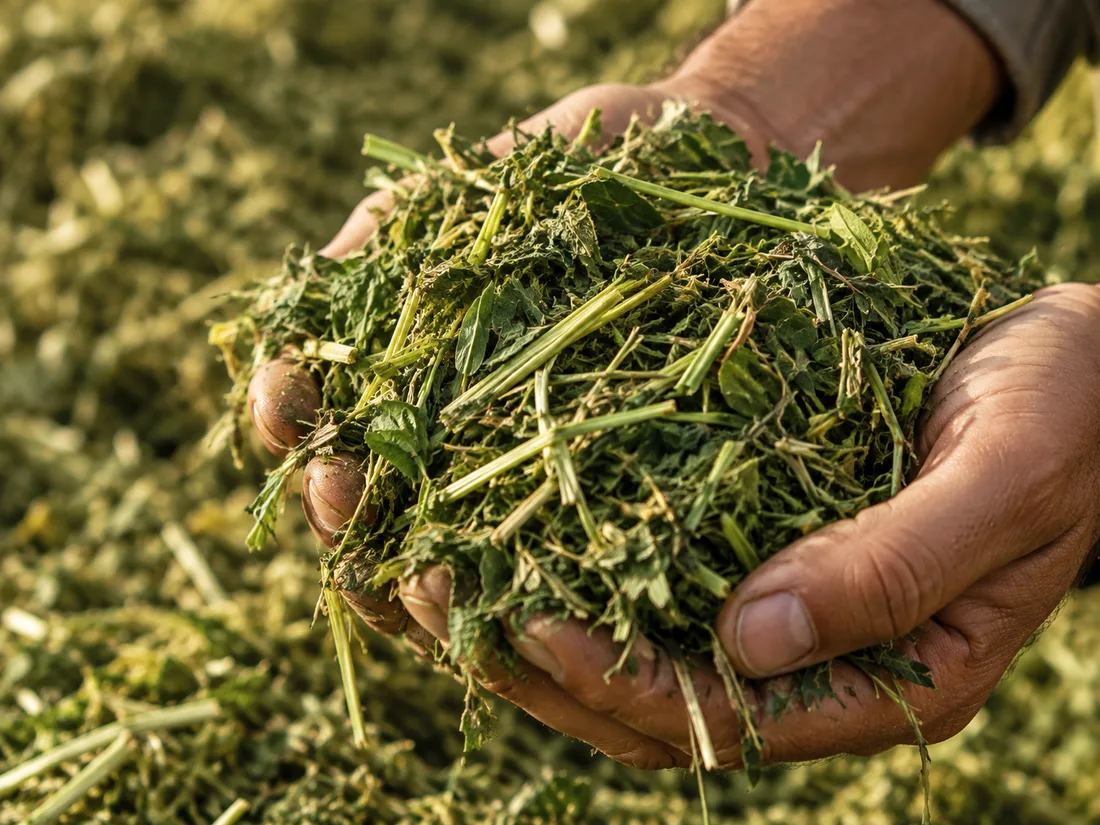
Forage kale is a moist brassica, so ensiling plans commonly include a higher-dry-matter forage. Understand how the harvested form and crop condition affect the mix, and review the plan with a forage adviser.
Read the guideAssessing amaranth grain for poultry feed requires matching the study material and diet to the grain lot being considered. Treatment, bird type, ration context and lot analysis determine how useful the evidence is.
Read the guideCompare bulk beet powder offers on a like-for-like basis by identifying the product form, carriers, moisture basis, color assay method, safety criteria and lot-specific results.
Read the guideCompare whole and chopped sunflower kernels, roasted grits and defatted sunflower flour by their roles in doughs, toppings and fillings—and learn why bakery trials apply to the specific form and recipe tested.
Read the guideButtermilk powder can add dairy flavor and contribute browning components to baked goods, but its behavior depends on the starting material, recipe balance and baking conditions. Learn how to separate flavor, acidity, moisture and dispersion questions when evaluating it for a formula.
Read the guideCompare corn gluten feed pellet analyses on a consistent moisture basis, and read each nutrient measure for the distinct formulation question it answers. A reference value is not a substitute for the offered lot’s COA.
Read the guide
Prepare for a bulk potato flakes order by aligning quantity, destination, packaging and unloading with your facility, then protect the dehydrated ingredient from moisture, heat and sunlight. Confirm date coding and storage guidance for the specific offer.
Read the guide
Plan bulk sunflower seed receiving and storage around the offered form, lot condition and capabilities of your facility—not a one-size-fits-all moisture target.
Read the guideA practical guide to comparing alfalfa meal crude protein, crude fiber and NDF results—covering reporting basis, lot and method context, and when moisture or beta-carotene analysis adds useful information.
Read the guideCompare potato flake quality measures in the context of the intended use, and distinguish defined limits from supplier specifications and lot-specific results.
Read the guideExplore ingredient specifications or share your volume, delivery needs, and buying requirements.