
Almond hulls in ruminant rations: what should buyers assess?
Assess almond hulls for cattle rations by matching the lot’s identity, analysis and physical form to the animal class, ration and feed-handling system.
Read the guidePractical guides to ingredients, specifications, and the questions worth asking before you buy.
Better ingredients.
Better questions.
Stronger connections.
Assess almond hulls for cattle rations by matching the lot’s identity, analysis and physical form to the animal class, ration and feed-handling system.
Read the guideCompare dry kidney bean lots by class, condition, moisture, defects and cleanliness, with acceptance limits matched to the intended product and process.
Read the guideParticle size and shell content distinguish hazelnut meal from kernels and pieces in bakery formulation. Learn what to define when comparing ground forms and composition information.
Read the guideU.S. durum grade describes grain condition under official grading factors, while subclass classifies the proportion of hard, vitreous kernels. Mill buyers need both context and separate, lot-relevant analyses to build a complete milling specification.
Read the guide
Prepare for a bulk salmon oil shipment by matching the offered packaging to your unloading setup, storage capacity, destination and schedule. Use lot-specific handling instructions rather than assuming a package, temperature or shelf life.
Read the guide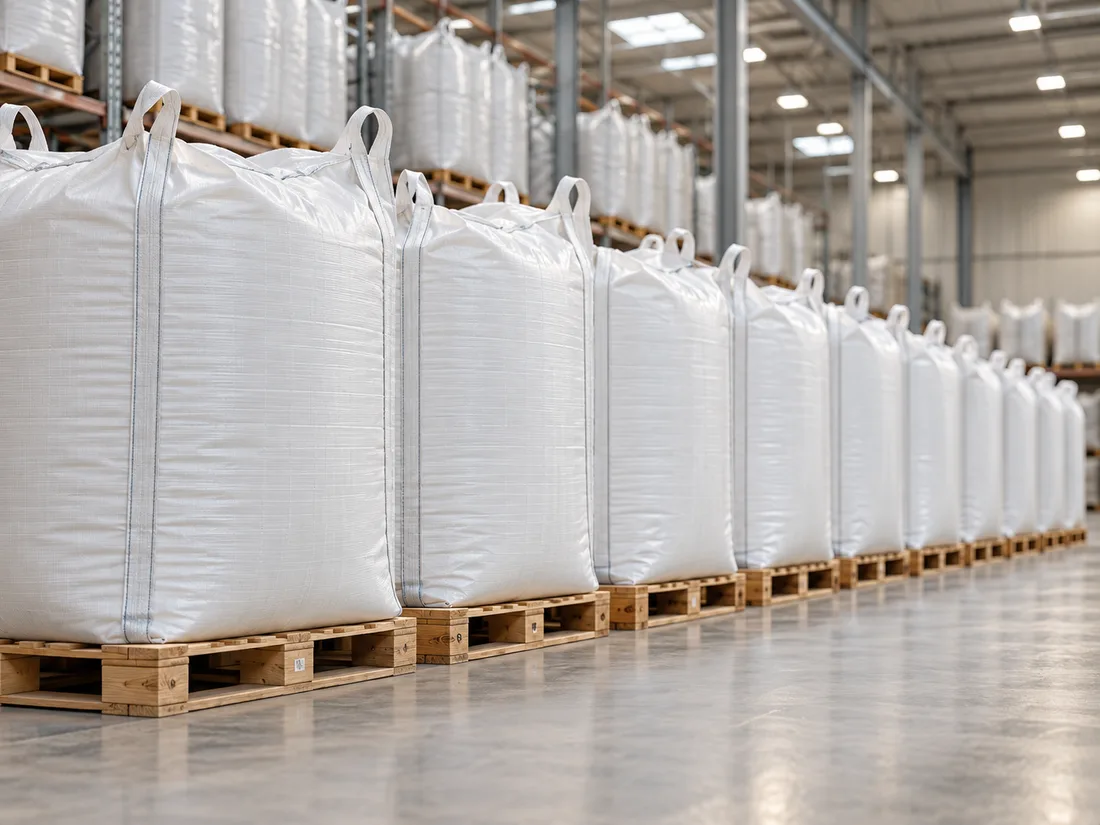
Plan bulk flaxseed oil packaging around your receiving equipment, protect the oil from light, and review lot-specific storage history before accepting an offer.
Read the guide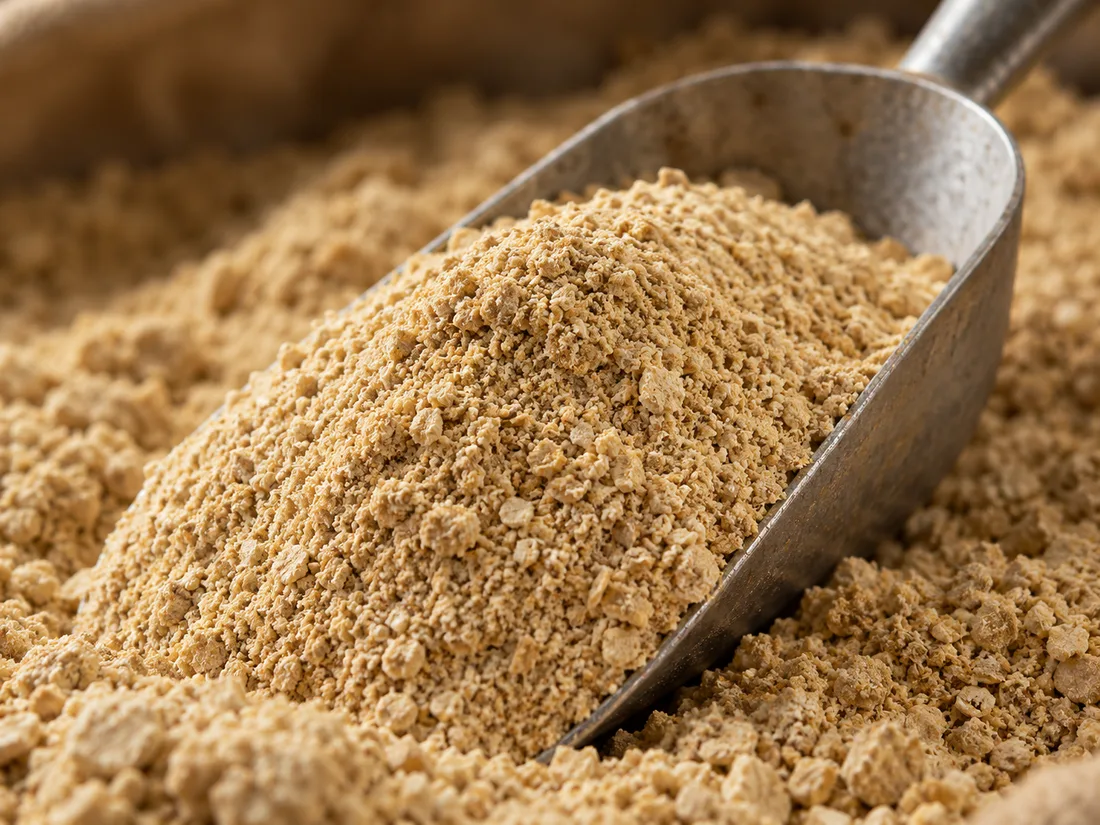
Soybean meal protein percentages reported as-fed and on a dry-matter basis cannot be compared directly. Align moisture, reporting basis, method information, and the context of each COA before evaluating supplier values.
Read the guideCompare mango kernel meal by analysis basis, nutrient measures, processing history and targeted antinutritional-factor tests—not by unsourced reference values.
Read the guideA useful almond meal specification identifies whether the product is ground kernels, press cake, or another almond fraction, then reports composition and particle size on a clear, comparable basis.
Read the guideSpecify ground corn by its measured particle-size distribution and test method—not simply as fine or coarse. Match the requirement to the feed process and verify the offered target and analysis basis for the specific product.
Read the guideA receiving and storage guide for bulk blueberry pomace, comparing practical planning considerations for wet residue, dried material and powder.
Read the guidePlan bulk banana chip shipments around the product form: fried chips need attention to light, moisture and breakage, while dried slices need moisture and pest protection. Specify packaging, receiving constraints, destination and timing before arranging delivery.
Read the guideExplore ingredient specifications or share your volume, delivery needs, and buying requirements.