Grains
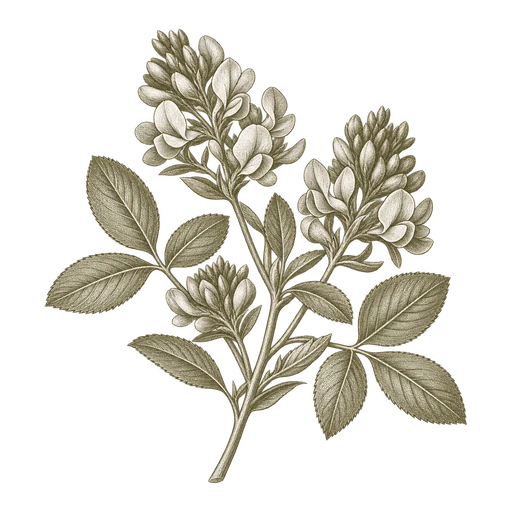
Alfalfa
Alfalfa is a forage legume sourced as hay, silage, meal or pellets for livestock feed. Match the form to receiving and ration needs, then compare a lot-specific analysis on a consistent basis.
Explore ingredientSpecify ground corn by its measured particle-size distribution and test method—not simply as fine or coarse. Match the requirement to the feed process and verify the offered target and analysis basis for the specific product.
A description such as “fine ground corn” gives a general impression, but it does not define a measurable size or show how consistent the grind is. Two suppliers can use the same word for products with different proportions of large, medium and small particles. That difference can affect how the corn behaves in a feed mill or ration.
A useful particle-size specification describes the distribution of particles, not just a single average or label. It should state how the sample is tested and how the results are reported. Without those details, a stated value may be difficult to compare across suppliers or production lots.
Sieve analysis is a common way to characterize ground grain. A representative sample is passed through a specified series of screens, and the material retained on each screen is measured. The resulting distribution shows whether the sample is concentrated around one size or includes a notable share of both finer and coarser particles.
When requesting a result, define the reporting format your mill or nutrition program uses. It may be a screen-by-screen distribution, a calculated average particle size, or both. The method matters: screen sizes, sample preparation, shaking procedure and calculation approach can affect the reported result. Results from different methods should not be treated as interchangeable unless their procedures are known to be comparable.
Ask that the proposed target, sampling procedure and analysis method be stated together. Sampling matters because a small sample that does not represent the delivered material can mischaracterize the lot. For repeat purchasing, keep the same method and reporting basis so that results can be compared consistently.
The right distribution depends on what happens to the ground corn next. In a feed mill, particle size can influence grinding efficiency, ingredient flow, mixing and the behavior of the finished feed during subsequent processing. In a feeding program, it can affect how the ingredient is incorporated and how consistently the ration is delivered. The relevant target is therefore tied to the equipment and formulation, not to a universal definition of “fine.”
A target developed for one mill or feed type may not transfer directly to another. Tell the supplier whether the corn will be used as an ingredient in a mixed ration, undergo further processing or be fed in another defined system. A nutritionist or mill operator can translate that use into an acceptable distribution and identify which part of the distribution matters most.
The finished grind reflects both the incoming grain and the milling operation. Kernel characteristics, including hardness and moisture condition, can influence how grain fractures. Mill design and operating conditions also matter: screen opening, rotor speed, feed rate and equipment wear can all affect the resulting distribution. A setting alone does not guarantee a particular particle-size result.
This is why a purchase requirement should describe the output rather than rely only on a mill setting or the words fine and coarse. If production conditions change, testing the finished ground corn provides a more direct comparison with the agreed requirement. The supplier’s actual capability and the test basis should be established for the specific offer.
Before requesting a quote, define the intended feed use and the particle-size distribution your operation needs. Specify the reporting method, required sample basis and any acceptance limits your mill or nutrition team uses. Avoid choosing a target from a generic chart without checking whether it suits your equipment and formulation.
For a clear discussion about ground corn, provide the target and method together, then ask how the offered product is tested and whether results are available for the specific lot. The [Ground Corn page](/ingredients/ground-corn) is the natural next step when you are ready to source against a defined grind requirement. Exact grind, sampling and analysis terms depend on the particular offer.
No. “Fine” is a descriptive term, not a measurement. Specify the particle-size distribution or reporting value you need, along with the test method used to determine it.
Screen sizes, sample preparation and calculation procedures can affect reported results. Stating the method makes the requirement clearer and helps buyers compare results on a consistent basis.
No universal target applies to every mill, formulation or feeding system. The appropriate distribution depends on how the ground corn will be processed and used, so set it with the relevant mill operator or nutritionist.
Focused guides to the specification, application, and delivery questions behind this ingredient.
Prepare destination, unloading and storage details before arranging a ground corn order. A clean, dry bin, pest protection and attention to old or wet residues—especially near auger intakes—help make receiving and handling more manageable.
Read this InsightGround corn contributes energy to swine rations, but its protein and mineral profile must be evaluated within the complete formula. Amino-acid balance, calcium, phosphorus, particle size and lot analysis all inform the nutritionist’s decision.
Read this InsightAlfalfa is a forage legume sourced as hay, silage, meal or pellets for livestock feed. Match the form to receiving and ration needs, then compare a lot-specific analysis on a consistent basis.
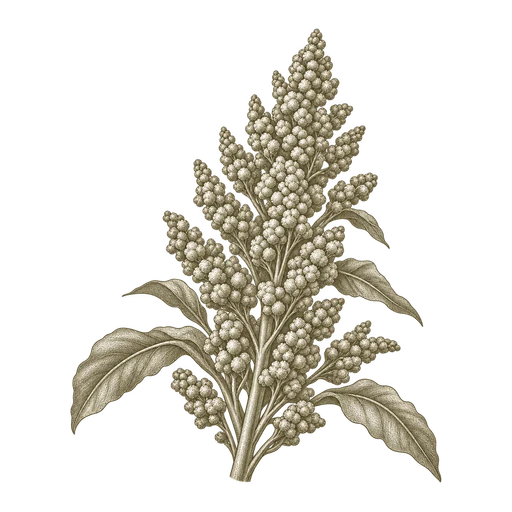
Explore ingredientAmaranth can be sourced as grain, leaf meal or whole-plant forage, and those forms are not interchangeable in feed formulation. Specify the plant material, species and processing method, then compare lot analysis suited to the intended animal and use.
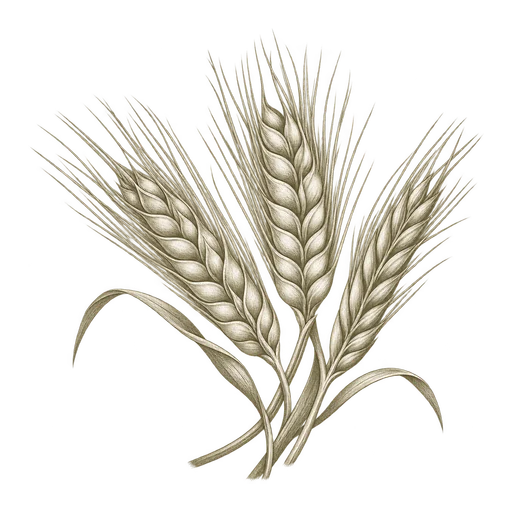
Explore ingredientBarley is a cereal grain used in cattle feed, malting, food and industrial processing. Whole and processed forms serve different needs; identify the intended use, processing state and receiving requirements when sourcing a bulk order.
Explore ingredientBrewers rice is a broken-rice milling fraction used in brewing, fermented products and animal feed. Compare broken, granulated or ground forms and review lot-specific physical and analytical details before sourcing in bulk.
Explore ingredient